
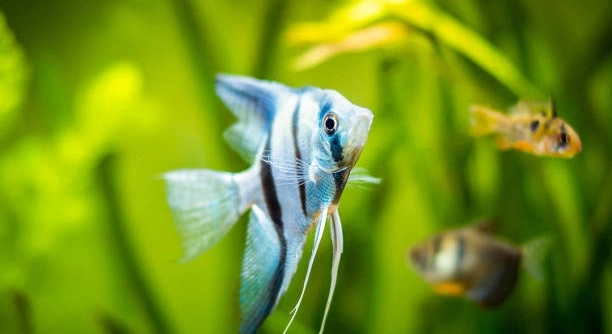
Angelfish are beautiful and peaceful creatures, but when they begin attacking the heater in their tank, it can be concerning. Understanding why this happens will help you address the issue and keep your fish happy.
Angelfish often attack heaters due to stress, territorial behavior, or discomfort from water conditions. These fish may also mistake the heater for a threat or food, leading them to nudge or strike it repeatedly.
By understanding the possible causes behind this behavior, you can identify the right steps to improve your angelfish’s environment. Keep reading to learn about the different factors contributing to this unusual behavior.
1. Stress from Poor Water Conditions
Angelfish can become highly stressed if the water conditions in their tank aren’t ideal. Poor water quality, fluctuations in temperature, or the wrong pH levels can make them feel uneasy and trigger strange behaviors. They may begin attacking the heater in an attempt to find comfort or because they are simply reacting to their environment.
Stress caused by water temperature, high levels of ammonia, or dirty water can disrupt your angelfish’s normal habits. Fish are sensitive to changes in their surroundings, and any imbalance can lead to confusion or aggression. Regular water changes and monitoring your tank’s environment can significantly reduce the likelihood of stress-related behavior.
Angelfish are known for being sensitive to sudden changes in their environment, especially when it comes to water temperature and cleanliness. If the water temperature fluctuates too much, the fish might seek out warmth by approaching the heater. Dirty water can also lead them to feel insecure, causing them to react defensively. The best way to avoid this is by testing your water regularly for ammonia, nitrate, and pH levels. Ensuring that the tank’s filtration system is working well and performing regular maintenance can reduce these stressors.
2. Territorial Behavior
Angelfish are territorial creatures and may see the heater as a potential intruder in their space. If they feel their area is being invaded, they might defend it aggressively.
Fish are naturally protective of their home. When they feel the need to guard their territory, they could mistake objects like the heater for a threat. This is especially common when they’re breeding or when they feel their environment is being encroached upon.
When an angelfish feels threatened, it may become more defensive. In some cases, the heater could be perceived as something that disrupts their territory. Angelfish may attack the heater to drive away what they see as a competitor or intruder. This behavior is often seen in more aggressive or territorial species, and angelfish are no exception. Adding plants or decorations can help to break up their territory, making them feel safer and less likely to target objects they see as threats.
3. Heater as a Source of Warmth
Angelfish, especially in cooler water, may seek out the warmth provided by the heater. This behavior can be more common in aquariums where the water temperature is inconsistent.
Fish naturally gravitate toward warmer areas when they’re cold. If the tank temperature drops below their comfort zone, they may approach the heater to find a warmer spot. Angelfish, being tropical fish, require stable water temperatures between 76°F and 84°F (24°C–29°C). If the surrounding water is cooler, they’ll instinctively go toward the heater to regulate their body temperature. However, this behavior may lead to them attacking the heater if they spend too much time near it.
Another reason for this behavior is that the heater might emit a small current that attracts the fish. While the heater can offer warmth, it’s important to ensure it’s not overheating the tank. Too much heat can cause the water to become uncomfortable, which might make your angelfish seek it out more frequently. Regularly checking the heater’s settings and placing it in a location where the warmth is evenly distributed can help prevent over-reliance on the heater.
4. Reflection in the Heater
The reflective surface of the heater could be confusing your angelfish. They might see their own reflection and mistake it for another fish, which causes aggression.
Fish often react to reflections as if they are real, especially in a space they perceive as their territory. The shiny surface of the heater may appear to be another angelfish, leading to attacks as they try to defend their space. This is a common behavior in many fish species and can happen when a fish sees another of its kind in a confined space.
The best way to avoid this is by placing the heater in a spot where it’s less likely to reflect light, or by covering the heater with a non-reflective material. This simple change can help calm your angelfish by removing the perceived threat. If the heater is a primary focus of the tank, adding more plants or decor can also help distract them from their reflection.
5. Aggressive Behavior Due to Overcrowding
Angelfish may become aggressive when they feel overcrowded. Too many fish in a tank can lead to stress, causing your angelfish to lash out, sometimes targeting the heater.
Overcrowding can create territorial disputes, especially when the tank doesn’t have enough space for everyone. The angelfish may view the heater as an object to defend, or even a competitor for space. This aggression can escalate quickly, so it’s important to ensure that the tank is appropriately sized for the number of fish.
To resolve this, you might consider reducing the number of fish in your tank. Ensure that each fish has enough space to swim freely, reducing stress and territorial behavior. Adding more plants or hiding spots can also help your angelfish feel secure and less likely to fight over space.
6. Hunger or Curiosity
Angelfish might also attack the heater out of curiosity or hunger. If they associate the area near the heater with food, they might nip at it, expecting to find something to eat.
If you often feed your angelfish near the heater or they see you placing food around it, they may start to associate that area with feeding time. This can lead to them aggressively attacking the heater in hopes of food. The behavior could also stem from curiosity, especially if the heater is a new object in their environment.
To prevent this, try feeding your angelfish in a different part of the tank, away from the heater. This will help break the association between the heater and food, reducing their interest in attacking it.
FAQ
Why is my angelfish attacking the heater?
Angelfish may attack the heater for several reasons, including stress from poor water conditions, territorial aggression, or confusion caused by reflections. They might also seek warmth if the tank’s temperature drops, or they could be exhibiting curiosity or hunger. In most cases, improving the tank environment and observing their behavior can help resolve the issue.
Is it normal for angelfish to attack the heater?
It’s not uncommon for angelfish to attack the heater, but it’s usually a sign of stress or discomfort. Fish are sensitive to their environment, and when they feel threatened, confused, or cold, they might take their frustration out on the heater. While it may not be “normal,” it’s a behavior that can often be fixed by addressing the underlying cause.
How can I stop my angelfish from attacking the heater?
To stop your angelfish from attacking the heater, start by ensuring that the water conditions are optimal. Check the temperature, pH, and cleanliness of the tank. You may also want to reduce the number of fish in the tank if it’s overcrowded. Using decorations or plants to break up their territory and moving the heater away from reflective surfaces can also help. Keeping the heater at a stable temperature and ensuring the fish aren’t associating it with food or warmth is key.
Could overcrowding cause angelfish to attack the heater?
Yes, overcrowding can cause stress and territorial behavior, leading to aggression. When angelfish don’t have enough space to swim freely, they may become more territorial and defensive. This can result in the fish attacking anything they perceive as a threat, including the heater. Reducing the number of fish or adding more plants and hiding spots can help alleviate this issue.
Do angelfish mistake the heater for food?
It’s possible for angelfish to mistake the heater for food, especially if they are fed near it often. If the fish associate the heater with food, they may attack it in an attempt to find something to eat. Try feeding your fish away from the heater to break this association and encourage them to leave it alone.
Can the heater cause harm to my angelfish?
Yes, a faulty or overheating heater can cause harm to your angelfish. If the heater is malfunctioning, it could raise the water temperature too high, which may lead to stress or even fatality. It’s important to use a reliable heater with a temperature regulator and to monitor the tank’s temperature regularly. A heater that is too cold can also stress the fish, causing them to seek warmth excessively.
Why does my angelfish seem obsessed with the heater?
If your angelfish seems obsessed with the heater, it’s likely that they are either seeking warmth or reacting to reflections. Angelfish are tropical fish and require warm water to thrive. If the water temperature drops too low, they may instinctively swim towards the heater. Additionally, if the heater reflects light, they might mistake the reflection for another fish, causing them to become focused on it.
Is it okay to place the heater in the middle of the tank?
It’s generally okay to place the heater in the middle of the tank, but make sure it is positioned in a way that the warmth is evenly distributed throughout the water. Heaters placed at the tank’s edges or near water inlets may cause uneven heating, which could make your angelfish seek out the heater more frequently. Avoid placing the heater near the filter, as it may interfere with the flow of water.
Can too much light affect my angelfish’s behavior with the heater?
Yes, too much light can contribute to erratic behavior in angelfish. Bright lights can cause reflections in the heater, which may lead the fish to mistake the reflection for another fish or intruder. Try reducing the light around the heater or using a non-reflective heater cover to prevent the fish from becoming fixated on it.
How can I tell if my angelfish is stressed because of the heater?
Signs that your angelfish is stressed due to the heater include constant swimming around the heater, aggressive behavior towards it, or swimming erratically. If the water temperature is unstable, your fish might exhibit signs of stress such as rapid gill movement, faded colors, or lethargy. To confirm if the heater is the problem, check the water temperature and make adjustments as needed.
Should I replace my heater if my angelfish keeps attacking it?
If your angelfish is consistently attacking the heater and you’ve ruled out environmental factors, it’s a good idea to inspect the heater for any faults. If it’s malfunctioning or causing unsafe temperature fluctuations, replacing it may be necessary. Ensure that the new heater is appropriately sized for your tank and has a built-in temperature regulator to prevent any further issues.
Can changing the tank’s layout stop my angelfish from attacking the heater?
Yes, changing the layout of your tank can help distract your angelfish from the heater. Adding more plants, decorations, or hiding spots will allow the fish to feel more secure and less focused on the heater. By breaking up their territory, you give the fish more options for exploration, which can reduce their fixation on one area.
How often should I check the temperature of the tank?
It’s important to check the temperature of your tank regularly, at least once a day. Sudden temperature changes can stress your angelfish and lead them to act out, including attacking the heater. A reliable thermometer and a heater with an accurate temperature setting can help you maintain a stable environment for your fish.
Final Thoughts
Angelfish attacking the heater can be frustrating, but understanding the reasons behind the behavior can help resolve the issue. Stress from poor water conditions, aggressive territorial behavior, or the need for warmth are the most common causes. By addressing these factors, you can help your angelfish feel more comfortable in their environment. Regular maintenance, such as monitoring water temperature, cleaning the tank, and ensuring proper filtration, will go a long way in reducing stress. If your angelfish is attacking the heater because of overcrowding, consider reducing the number of fish or adding more plants and hiding spots to help them feel safer.
Another important factor to consider is the placement of the heater. If the fish are attracted to it for warmth or are reacting to reflections, you can try moving the heater to a different spot in the tank. Make sure the heater is not in direct line of sight from the fish’s territory, as this could prevent them from attacking it. A heater with a built-in thermostat will also help maintain a stable temperature, reducing the chances of your angelfish seeking out the heater. Keeping the tank environment consistent will prevent these attacks from happening frequently.
Lastly, it’s essential to observe your angelfish and understand their behavior. Each fish is unique, and some may be more sensitive to changes in their environment than others. If you’re not able to fix the problem through water quality adjustments or heater placement, be patient and try experimenting with different tank setups. Small changes can sometimes make a big difference in how your fish behave. By creating a peaceful, comfortable environment, your angelfish will be less likely to target the heater and more likely to thrive in their tank.

Hello,
If you enjoy the content that we create, please consider saying a "Thank You!" by leaving a tip.
Every little bit helps us continue crafting quality advice that supports the health, happiness, and well-being of pets around the world, for pets of all shapes, sizes, and species.
We really appreciate the kindness and support that you show us!