
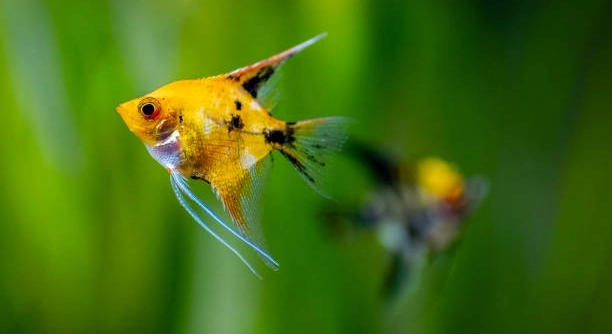
Angelfish are beautiful, lively additions to any aquarium. But like all creatures, they age over time. As they get older, their behavior and appearance can change, which might be a sign they’re entering their senior years.
As angelfish age, they exhibit various signs that may indicate their advancing years. These can include changes in swimming patterns, eating habits, and even physical appearance. Understanding these signs is crucial for ensuring their well-being and adjusting care as needed.
Recognizing these signs early helps ensure your angelfish’s health and comfort. From slower movements to subtle shifts in eating patterns, learning more about their aging process can make a difference in their quality of life.
Slower Movement and Less Activity
As angelfish get older, they may not swim as fast or as actively as they once did. Younger angelfish are known for their lively movements, but with age comes a decrease in energy. This can be seen when they float near the bottom of the tank or move slower than usual. While they may still swim around the tank, you might notice that their movements lack the speed and agility they had when younger.
If your angelfish used to zip around their environment with ease, but now seem more content resting or moving slowly, it could be a sign of aging. This slowdown might be due to muscle wear or joint stiffness, which is common in older fish. Less frequent swimming doesn’t necessarily mean they are sick, but it’s important to monitor their behavior and look for other signs of aging.
Older angelfish may also spend more time in certain areas of the tank, such as hiding spots or near the surface, where they can rest more comfortably. Providing plenty of places for them to rest is essential. It’s also helpful to avoid drastic changes in their environment, such as sudden temperature shifts or high water currents, which could further stress them out. Keeping the tank calm and comfortable can help them feel secure as they age.
Decrease in Appetite
Aging angelfish may show less interest in food. As they get older, their metabolism slows down, and they may not eat as frequently or with as much enthusiasm as before. This is common with many fish species.
If you notice that your angelfish is leaving food behind, or if they’re not eating as much, consider offering them smaller, more frequent meals. Some older fish also become more picky about the types of food they eat. Try varying their diet to see if a different food appeals to them. If the decrease in appetite continues, it’s essential to monitor their health more closely to ensure they are getting the necessary nutrients.
A loss of appetite can also be a sign of illness, but if your angelfish seems healthy otherwise, it’s probably just a natural part of aging. Sometimes older angelfish will prefer certain foods, such as live or frozen food, over dry pellets or flakes. If you’re unsure, a visit to the vet can help confirm whether any health issues are at play.
Changes in Color and Appearance
As angelfish age, their color may begin to fade. Younger angelfish are typically vibrant and colorful, but older ones can lose some of their intensity. This change is natural, but it’s also important to watch for other signs of ill health.
The fading of colors might be due to a slower metabolism or a sign that they are no longer as healthy as they once were. You may notice that their once-bright hues become dull or less vibrant over time. While this is typical for aging fish, it can also indicate stress or poor water quality. Regular water changes and maintaining a stable tank environment can help, but it’s essential to keep an eye on any other unusual signs.
Older angelfish might also develop wrinkles or a thinner body as they age. Their skin may look looser, and they may appear a bit gaunt compared to their younger selves. These changes are often simply a natural part of aging, but it’s crucial to make sure they continue to eat well and have the proper care. Aging fish still deserve attention and comfort as they grow older.
Difficulty in Breathing
If your angelfish appears to be struggling to breathe, it may be due to aging. Older fish can develop respiratory issues, which might show up as increased gill movement or a slower response to stimuli.
Respiratory difficulties can also be caused by poor water quality. As fish age, their immune systems weaken, making them more susceptible to infections or diseases that affect their breathing. It’s a good idea to regularly check water parameters like ammonia, nitrate, and oxygen levels to ensure the water conditions are ideal for your angelfish. If they are gasping for air at the surface or staying near the water filter, it could be a sign of trouble.
Older angelfish might not have the energy to swim to the surface as often for air, which means you’ll need to keep a closer watch on them. If their breathing becomes noticeably labored, it’s essential to make adjustments to the tank conditions. Make sure your filtration system is working efficiently and that oxygen levels are sufficient. Regular maintenance will help ensure your angelfish stays comfortable as they grow older.
Reduced Aggression
Older angelfish tend to become less aggressive as they age. Younger angelfish are more territorial and may chase other fish around the tank, but with time, they become more relaxed.
This decrease in aggression can be a sign of aging, as they no longer feel the need to defend their space as strongly. It’s a natural shift in behavior. While older angelfish may still show some territorial tendencies, they tend to become more peaceful and docile. It’s a good indication that they are no longer as active or energetic as when they were younger.
Decreased Reaction Time
Aging angelfish may respond more slowly to stimuli, such as food or movement in the tank. This is a common sign of aging, as their nervous system becomes less responsive over time. Slower reactions are expected as they age.
Their decreased reaction time can be observed in how quickly they react to new additions to the tank or sudden changes. They may take longer to notice food being dropped into the water or may not respond to movement in the tank as quickly as they once did. This change often goes hand-in-hand with a general slowing down due to age.
Difficulty with Swimming
Older angelfish may struggle with swimming in the same way they once did. Their fins may not be as strong, and they may have trouble maintaining their usual buoyancy.
This can be seen in their tendency to drift more or spend more time near the tank’s bottom. Aging fish often experience muscle wear and can have trouble controlling their movements, which may affect their ability to swim as efficiently. If you notice your angelfish struggling to stay upright or swim, it could be due to age-related changes.
FAQ
How can I tell if my angelfish is sick or just aging?
It can sometimes be hard to tell whether your angelfish is sick or just experiencing the normal signs of aging. The main thing to look for is a sudden change in behavior, such as loss of appetite, trouble swimming, or rapid breathing. If the fish is still eating, not displaying abnormal signs like unusual spots, lesions, or fin damage, and is swimming relatively well, it’s likely a sign of aging. However, if they start acting lethargic or show clear signs of illness, such as bloated abdomen, skin discoloration, or unusual breathing, it’s best to consult a vet.
How long do angelfish live?
On average, angelfish live for 10 to 15 years in a well-maintained tank. Their lifespan can vary based on factors like water quality, diet, and general care. In the wild, they may have shorter lifespans due to environmental stressors, but in an aquarium, with good care, they can live to be quite elderly. Some angelfish in ideal conditions have been known to live even longer.
Should I change their diet as they get older?
Yes, older angelfish may benefit from a slightly adjusted diet. As they age, they may not be as enthusiastic about eating, or their digestive system may slow down. Offering smaller, more frequent meals can help ensure they are getting the necessary nutrients. Additionally, older angelfish might prefer softer foods, like frozen or live food, over dry pellets. It’s important to monitor their eating habits and adjust their diet accordingly to keep them healthy.
Is it necessary to change the tank environment for older angelfish?
It’s not always necessary to make drastic changes to the tank environment for older angelfish, but it’s crucial to make sure their surroundings are as comfortable as possible. As they age, they may become more sensitive to water conditions. Keeping the water clean, oxygenated, and at a stable temperature is especially important for older fish. You might want to reduce strong water currents, as aging fish can become more easily stressed by turbulent water.
How do I help my aging angelfish if they have trouble swimming?
If your angelfish is having trouble swimming, check the water quality and temperature first. Ensure the water parameters are within the correct range and that the tank isn’t too cold. Aging angelfish often lose some of their fin strength, which can cause them to swim less efficiently. Providing low-stress conditions like calmer water flow and plenty of resting spots can help them feel more comfortable. You may also try feeding them higher-quality food to support their overall health.
Can I breed my angelfish when they’re older?
Breeding older angelfish can be more challenging, as their fertility may decline with age. Female angelfish, especially, may produce fewer eggs as they get older. Additionally, older fish may not be as active or interested in mating. While breeding older angelfish isn’t impossible, it’s typically more successful with younger fish. If you are determined to breed your older fish, ensure their tank is in optimal condition, and give them the right environment to promote mating.
How often should I clean the tank of an aging angelfish?
Regular tank maintenance is crucial for any fish, but it becomes even more important as your angelfish age. Their immune system weakens over time, making them more susceptible to infections. Clean the tank and change the water frequently, ideally once a week, to ensure they live in a healthy environment. Be mindful of water temperature and pH levels, and always make sure the water parameters are stable before adding any new water to the tank.
Are there any signs my angelfish is in pain?
It’s difficult to detect pain in fish, but there are a few signs that could indicate discomfort. If your angelfish is constantly rubbing against objects or the tank’s decorations, it could be a sign of irritation, possibly caused by skin problems, parasites, or poor water quality. Similarly, if they show reduced activity, erratic swimming, or hide a lot, it could indicate they’re unwell. Look out for abnormal behavior, such as staying in one spot for long periods or hiding more than usual. If these behaviors persist, consult with a vet.
Should I separate my aging angelfish from other fish?
In general, there’s no need to separate your aging angelfish unless they are being bullied or stressed by other tank mates. However, older fish may become more vulnerable to aggression, especially from more active or territorial species. If your aging angelfish seems stressed or gets pushed around too much, consider creating a more peaceful tank environment or separating them from aggressive fish. It’s always good to make sure their tank mates are compatible, especially as they get older.
Can aging angelfish still thrive with other species in the tank?
Aging angelfish can still thrive with other species, provided the other fish are peaceful and not overly active. As they age, angelfish may become less assertive and more vulnerable, so it’s important to ensure they are in a tank with non-aggressive tank mates. Make sure the water conditions suit all species in the tank, as aging angelfish are more sensitive to fluctuations in water quality.
How can I make my angelfish more comfortable as they age?
Making an aging angelfish comfortable involves providing a stable and stress-free environment. Keep the tank clean, maintain proper water quality, and ensure a peaceful atmosphere with no aggressive tank mates. Older angelfish may also appreciate softer, easy-to-digest foods. Providing plenty of hiding spaces and calm areas to rest can also help reduce stress and keep your angelfish comfortable as they age.
Final Thoughts
Taking care of an aging angelfish can feel different from caring for a younger one. As they grow older, they might show signs of slowing down or change in behavior. It’s important to stay aware of their needs and provide a comfortable environment. Regular tank maintenance, a balanced diet, and monitoring water conditions are key to keeping them healthy as they age. While aging is a natural part of their life, giving them the right care can help them live out their golden years comfortably.
Changes in activity, appearance, and appetite are normal for aging angelfish, but they also require extra attention. It’s important to watch for any signs of illness, as older fish are more vulnerable to health issues. The decrease in their energy levels and slower movements are often just part of the aging process. However, keeping an eye on their health and making adjustments to their care can ensure they continue to enjoy a good quality of life. Being patient and responsive to their needs will help you care for them as they age.
Remember, every angelfish is different, and their aging process can vary. While some may experience noticeable changes early on, others may remain active and healthy for longer periods. Ultimately, the most important thing is to provide them with a safe, clean environment and the care they need. With the right attention and adjustments to their diet and tank setup, you can ensure your angelfish remains comfortable as they grow older, helping them enjoy a long and peaceful life.

Hello,
If you enjoy the content that we create, please consider saying a "Thank You!" by leaving a tip.
Every little bit helps us continue crafting quality advice that supports the health, happiness, and well-being of pets around the world, for pets of all shapes, sizes, and species.
We really appreciate the kindness and support that you show us!