
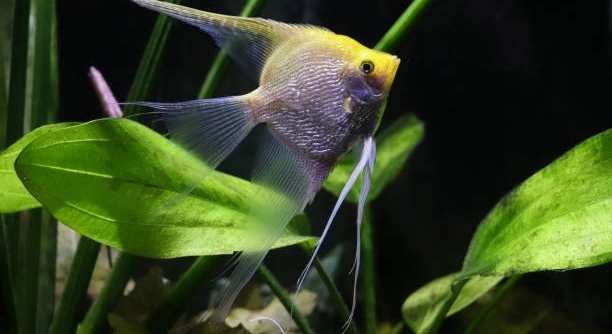
Angelfish are beautiful creatures that many aquarium enthusiasts enjoy caring for. If you’ve noticed your angelfish opening and closing its gills rapidly, you might be concerned. It’s important to understand why this behavior happens.
Rapid gill movement in angelfish can be a sign of stress, water quality issues, or health problems. It may also indicate the fish is struggling to get enough oxygen, which can happen in poorly oxygenated water.
Understanding the possible causes of rapid gill movement can help you address the issue quickly. With the right care and attention, your angelfish will thrive and remain healthy.
Water Quality Issues
One of the most common reasons your angelfish might be opening and closing its gills rapidly is poor water quality. Fish are highly sensitive to their environment, and even small changes in water conditions can affect their health. High levels of ammonia, nitrites, or nitrates can cause distress. These chemicals often build up in the tank if the filtration system isn’t working properly or if you aren’t doing regular water changes. When water quality deteriorates, the fish may struggle to breathe, leading to increased gill movement as they try to get more oxygen.
Poor water quality can also lead to cloudy water, making it harder for fish to find oxygen. If you notice this behavior, it’s a clear sign that something needs attention in your tank. Test the water regularly to ensure ammonia and nitrite levels are at zero, and nitrates should be under 20 ppm. Clean the tank, replace the filter if needed, and perform a water change.
To avoid further issues, make sure you’re maintaining the right water parameters. Regular water testing, proper filtration, and consistent water changes are key to keeping your fish happy and healthy.
Low Oxygen Levels
Another reason your angelfish may be opening and closing its gills rapidly is a lack of oxygen in the water. Angelfish, like all fish, need oxygen to survive, and if the oxygen levels are low, they may struggle to breathe. This could happen if the tank is overcrowded, there is insufficient water movement, or the filtration system isn’t creating enough surface agitation.
In tanks where oxygen levels are low, fish may swim near the surface to get more air. To fix this, increase water movement or consider adding an air pump or aerator. This will help oxygenate the water and reduce the stress on your fish. Adding live plants can also improve oxygen levels as they naturally release oxygen during photosynthesis.
Maintaining oxygen-rich water ensures your fish get the right amount of air and stay healthy. Be mindful of tank conditions and take steps to optimize the environment for your angelfish.
Stress
Stress is another factor that can cause your angelfish to open and close its gills rapidly. Changes in the tank environment, such as loud noises, new tank mates, or sudden temperature shifts, can all stress out your fish. Stress affects the fish’s breathing and overall behavior, leading to rapid gill movement.
Stress can also arise from bullying or aggression from other fish. Angelfish can be territorial, and a dominant fish might intimidate or chase others. This leads to the stressed fish trying to breathe more quickly. To reduce stress, try to maintain a peaceful tank environment by providing enough hiding spots and ensuring there are no aggressive tank mates.
A good practice is to observe your fish for signs of stress. If you see gill movement paired with erratic swimming or hiding, it could be stress. Identifying the cause of stress and removing it can help your fish feel safe and reduce rapid gill activity.
Illness or Infection
Rapid gill movement can also indicate that your angelfish is dealing with an illness or infection. Bacterial, fungal, or parasitic infections affect the gills, making it harder for the fish to breathe. Infected gills might become swollen, discolored, or show signs of mucus buildup. These physical changes can result in labored breathing and frequent gill movement.
If you suspect an infection, inspect the gills closely. Red or inflamed gills are a common sign of infection. You might also notice your fish scratching against objects or swimming in abnormal patterns. In such cases, it’s essential to isolate the affected fish and treat it with the appropriate medication. Make sure to check the tank’s water quality and clean the tank thoroughly to prevent further contamination.
Treating infections early is crucial. Once the treatment begins, continue monitoring the fish’s condition to ensure recovery. If left untreated, gill infections can worsen and lead to further health problems for your angelfish.
Poor Tank Maintenance
If your angelfish’s gills are opening and closing rapidly, poor tank maintenance could be a cause. Accumulation of waste, uneaten food, and debris can create harmful toxins in the water. These toxins irritate the fish, leading to rapid breathing as they attempt to get more oxygen.
Regular tank cleaning and water changes are essential for maintaining a healthy environment. Make sure to clean the substrate, remove debris, and replace the water as needed. A good filtration system can help keep the water clean and oxygenated, making it easier for your fish to breathe. Keeping the tank in top shape can reduce stress on your angelfish.
Improperly maintained tanks not only affect fish health but also encourage the growth of harmful bacteria and algae. Regular maintenance keeps the water clear and healthy for your angelfish, allowing them to breathe easily and avoid unnecessary stress.
Overcrowding
Overcrowding is another issue that can cause rapid gill movement in your angelfish. When there are too many fish in the tank, oxygen levels drop quickly. In a cramped space, angelfish may struggle to get enough air, leading to frequent gill activity as they try to breathe.
A crowded tank can also lead to territorial disputes and stress. Even if the oxygen levels are fine, the lack of space can make fish feel uncomfortable, which results in rapid gill movement. It’s important to ensure your tank is properly sized for the number of fish it holds to prevent overcrowding and ensure proper airflow.
Temperature Fluctuations
Angelfish are sensitive to sudden temperature changes. If the water temperature fluctuates too much, it can cause stress and increase breathing rates. Rapid gill movement may occur as the fish tries to cope with temperature shifts that affect its metabolism and overall comfort.
A stable, warm temperature between 76°F and 82°F is ideal for angelfish. Use a reliable aquarium heater and thermometer to monitor the temperature. Avoid placing the tank near windows or air conditioners where temperature swings are more likely. Keeping a consistent environment will help reduce unnecessary stress and ensure your angelfish stays healthy.
FAQ
Why is my angelfish gasping at the surface?
Gasping at the surface can be a sign of low oxygen levels in the tank. Angelfish might swim near the water’s surface to get more oxygen if the tank lacks sufficient aeration. Ensure the water is well-oxygenated by adding an air pump or increasing water movement with a filter. You can also add live plants, as they help release oxygen, especially during daylight hours. Make sure the tank isn’t overcrowded, as this can cause oxygen depletion. Regular water changes and proper filtration are key to keeping oxygen levels stable.
Is it normal for angelfish to breathe quickly?
Occasionally, angelfish might breathe more quickly due to stress or changes in their environment. If your fish is experiencing rapid gill movement without showing signs of illness, poor water quality, or oxygen shortage, it may simply be a temporary response to minor stress. However, prolonged or sudden changes in breathing rate may signal a problem, such as water pollution, an infection, or overcrowding. Observe other signs of distress, like unusual swimming patterns or lack of appetite, to identify the cause.
How can I improve oxygen levels for my angelfish?
To improve oxygen levels in your tank, make sure you have a good filtration system that promotes surface agitation. This helps oxygen exchange at the water’s surface. Adding an air pump or aerator can also increase oxygen flow. Be mindful of the tank’s temperature; warmer water holds less oxygen, so you may need to adjust your aquarium heater to ensure it’s not too hot. Keep the tank clean by performing regular water changes and avoiding overcrowding. Live plants can also assist by producing oxygen during the day.
Can overfeeding cause rapid gill movement in angelfish?
Yes, overfeeding can lead to rapid gill movement. When you overfeed, leftover food decomposes, which can result in poor water quality. As ammonia, nitrites, or nitrates build up, the fish might struggle to breathe, leading to faster gill movement. It’s essential to feed your angelfish in moderation, ensuring they eat everything within a few minutes. Regular water changes are needed to keep the tank clean and prevent toxic buildup. Make sure your fish are getting the right amount of food for their size to avoid overfeeding.
What should I do if my angelfish has swollen gills?
Swollen gills can be a sign of an infection or water quality issues. If your angelfish has swollen gills and is showing signs of difficulty breathing, isolate the affected fish and examine the gills closely. Redness, mucus, or unusual swelling may indicate a bacterial or parasitic infection. If this is the case, you will need to treat the fish with the appropriate medication. Poor water quality can also cause gill swelling, so check the tank’s ammonia, nitrite, and nitrate levels and perform a water change. A clean environment can help prevent further issues.
How can I tell if my angelfish is stressed?
Stress can manifest in several ways in angelfish. Rapid gill movement, erratic swimming, hiding, loss of appetite, and unusual coloration are common signs of stress. Stress might be caused by poor water quality, sudden temperature changes, bullying from other fish, or overcrowding. It’s essential to maintain a peaceful and stable environment to reduce stress. Provide hiding places for your angelfish and avoid placing aggressive tank mates in the same tank. Keep an eye on their behavior, and address any environmental issues quickly to reduce stress.
How do temperature fluctuations affect angelfish breathing?
Temperature fluctuations can significantly impact an angelfish’s breathing rate. Angelfish prefer stable temperatures between 76°F and 82°F. Sudden changes, especially drops in temperature, can cause them to breathe faster as they struggle to adjust. This rapid breathing is a stress response that can weaken their immune system and make them more susceptible to illness. Use a reliable heater and thermometer to maintain a consistent temperature. Avoid placing your tank near windows, air conditioners, or heaters where temperature changes are more likely. Keeping the water at a steady temperature will reduce stress and improve overall health.
Can poor tank maintenance cause angelfish to breathe rapidly?
Yes, poor tank maintenance is a significant factor in rapid gill movement. Accumulating waste, uneaten food, and poor filtration can lead to high levels of harmful substances in the water, such as ammonia and nitrites. These toxins can irritate your angelfish’s gills, causing them to open and close rapidly in an attempt to breathe more easily. Regular water changes, proper filtration, and tank cleaning are essential to maintaining good water quality. Check the water’s chemical levels regularly and clean your tank every few weeks to avoid buildup and ensure your fish stay healthy.
What could cause my angelfish to swim at the surface and breathe rapidly?
Swim-at-the-surface behavior, along with rapid gill movement, often indicates low oxygen levels in the water. If your angelfish is struggling to breathe, it may be trying to get air from the surface where oxygen exchange is higher. This could be a result of insufficient water movement or overcrowding in the tank. Adding an air pump, increasing filtration, and ensuring your tank isn’t overcrowded can help resolve this issue. Also, keep the tank temperature stable, as warmer water holds less oxygen.
Is my angelfish at risk if it is opening and closing its gills rapidly?
Rapid gill movement in angelfish is usually a sign that something is wrong, but it doesn’t necessarily mean your fish is at immediate risk. However, it can be an early warning of poor water quality, stress, low oxygen, or an underlying health issue like an infection. If left unaddressed, these problems can lead to more serious health complications. It’s crucial to monitor your fish closely and identify the root cause of the rapid gill movement. With proper care and attention, you can resolve most issues and help your angelfish return to a healthy state.
Final Thoughts
When your angelfish starts opening and closing its gills rapidly, it’s important to stay calm and assess the situation carefully. There are many potential causes for this behavior, from poor water quality to stress, illness, or even temperature fluctuations. The key to resolving the issue is identifying the root cause and making the necessary adjustments in the tank environment. Start by checking the water quality, as this is often the most common factor affecting your fish’s breathing. Ensure that the ammonia, nitrite, and nitrate levels are in safe ranges, and clean the tank regularly to maintain a healthy habitat.
Another major factor to consider is oxygen levels. Angelfish, like all fish, require sufficient oxygen to survive, and if the tank becomes overcrowded or the water isn’t properly aerated, your fish may struggle to get enough air. Adding an air pump, increasing surface agitation, or incorporating live plants can help oxygenate the water and reduce rapid gill movement. Pay attention to how the fish behaves and if it is consistently trying to swim at the surface to gulp for air. These are signs that the oxygen levels might be too low.
Finally, never underestimate the power of stress. Angelfish are sensitive creatures and can easily become stressed due to changes in their environment, such as new tank mates, loud noises, or fluctuating water temperatures. Stress can lead to rapid gill movement and other signs of discomfort. It’s important to maintain a peaceful and stable environment for your angelfish by avoiding sudden changes and providing them with plenty of hiding spots and a properly-sized tank. By keeping an eye on these factors and making necessary adjustments, your angelfish should feel more comfortable and return to a healthy state.

Hello,
If you enjoy the content that we create, please consider saying a "Thank You!" by leaving a tip.
Every little bit helps us continue crafting quality advice that supports the health, happiness, and well-being of pets around the world, for pets of all shapes, sizes, and species.
We really appreciate the kindness and support that you show us!