
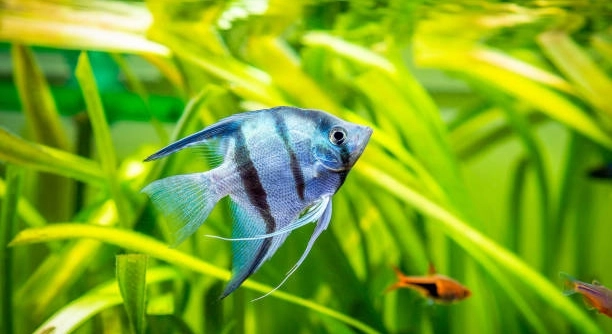
Is your angelfish swimming around with ease, eating well, and showing off its bright colors every day in the tank?
A happy and thriving angelfish shows consistent activity, a healthy appetite, vibrant coloring, and peaceful behavior. These signs, along with regular swimming and responsive movement, are key indicators of good physical and mental well-being.
From water conditions to social habits, each factor plays a role in keeping your angelfish healthy and content in its underwater home.
1. Bright and Consistent Coloring
Angelfish with bold, even coloring are usually in good health. Their colors can vary depending on the type, but a healthy angelfish will maintain a consistent look over time. Dull or faded scales can be a sign of stress, poor diet, or bad water conditions. If your fish’s color suddenly changes, it may be reacting to a recent environmental shift. Water temperature, tank mates, and lighting can all affect how they appear. Healthy angelfish tend to look vibrant, especially when they feel safe in their surroundings. Make sure to observe your fish daily and take note of any changes.
If your angelfish looks pale or blotchy, check the tank conditions and feeding schedule to see if something might be off.
Color is one of the easiest signs to notice, and it’s often the first indicator that something might be wrong. A thriving angelfish doesn’t just look nice—it glows in a way that’s hard to miss.
2. Steady Appetite and Regular Eating
A thriving angelfish eats eagerly during feeding time and maintains a consistent appetite. Sudden disinterest in food often points to stress or illness, and it shouldn’t be ignored.
Feeding habits can tell you a lot about how your angelfish is feeling. A healthy fish will swim up quickly when it senses food and eat without hesitation. If your angelfish hides during feeding time or leaves food untouched, this might mean it’s uncomfortable or sick. Poor water quality, aggressive tank mates, or even boredom with the same food can affect how well your fish eats. Try offering a variety of foods like flakes, pellets, and frozen treats to keep meals interesting. Just be careful not to overfeed—extra food can pollute the tank quickly. Keep a regular feeding schedule and pay attention to changes in eating behavior. These habits often shift before other signs of illness appear.
3. Active Swimming Patterns
Healthy angelfish move around their tank calmly and confidently. They swim upright with smooth movements and avoid sudden jerks or hiding for long periods. Erratic or sluggish swimming often points to stress, poor water quality, or a possible illness.
Normal activity includes exploring the tank, gliding between plants, and occasionally interacting with other fish. If your angelfish stays near the bottom or top for too long, it might be uncomfortable. Tank size, temperature, and filter current all affect how your fish moves. A tank that’s too small or overcrowded can limit movement and cause anxiety. Look out for clamped fins or rapid gill movement as signs of distress. Encourage natural swimming by providing open areas along with hiding spots. A balanced setup gives your angelfish space to roam while also feeling secure.
Sudden changes in movement can be triggered by changes in lighting or noise near the tank. Try keeping the tank in a quiet spot. Limit sudden loud sounds or strong vibrations. These can spook your fish and cause it to behave differently. Angelfish that feel safe in their environment will swim freely, showing curiosity and calmness throughout the day. Watch closely and you’ll learn what behavior is normal for your fish.
4. Peaceful Behavior Toward Tank Mates
Angelfish that feel secure tend to behave peacefully, especially when housed with compatible tank mates. They may show mild territorial behavior, but aggression should not be constant or extreme.
A calm angelfish won’t constantly chase or nip at others. If you notice frequent flaring, fin nipping, or cornering of other fish, that’s a sign something may be wrong. Overcrowding, poor water quality, or lack of hiding spots can trigger aggressive behavior. Adding tall plants or decorations can break lines of sight and reduce stress. Keep an eye on interactions, especially if your angelfish shares the tank with smaller or slower-moving species. It’s also important to avoid housing angelfish with overly aggressive or fin-nipping species. Stress from constant conflict can affect appetite, coloration, and immune health. You want your angelfish to feel comfortable enough to coexist peacefully without needing to defend its space constantly. Regular behavior checks can help you spot problems early.
5. Quick Response to Movement
Angelfish that respond quickly when you approach the tank are usually alert and healthy. They may swim toward you or move around with interest, especially if they associate you with feeding time.
Lack of response can mean your fish is stressed, unwell, or not comfortable in its environment. Check the water quality and make sure nothing has recently changed in the tank.
6. Clean Fins and Smooth Scales
Healthy angelfish have fins that are whole, not frayed, and scales that lay flat against their body. Torn fins, white patches, or raised scales are signs of possible injury or illness. Clean fins and smooth skin mean your angelfish is thriving.
7. Consistent Daily Routine
Angelfish are creatures of habit and tend to follow the same daily routine when they feel secure. They swim actively during the day, rest quietly at night, and eat at expected times. Changes in lighting, tank setup, or schedule can stress them out. Try to keep their environment consistent and calm.
FAQ
How can I tell if my angelfish is stressed?
Stress in angelfish can show in various ways. If your fish is hiding more often, swimming erratically, or displaying clamped fins, it could be stressed. Changes in color, such as fading or darkening, are also common. You may notice them eating less or not responding to food. Factors such as poor water quality, overcrowding, or incompatible tank mates often cause stress. Regular water testing and adjusting your tank setup can help relieve the stress.
What is the best temperature for angelfish?
Angelfish prefer a water temperature between 76°F and 82°F (24°C to 28°C). Keeping the temperature within this range ensures they remain active and healthy. Temperatures outside this range can stress them, leading to immune system problems and possible illness. Use a reliable aquarium heater and thermometer to maintain consistency. Sudden temperature changes can shock your fish, so avoid placing the tank in a drafty area.
What should I feed my angelfish?
Angelfish thrive on a varied diet. Offer high-quality flake or pellet food designed for tropical fish, along with occasional treats like brine shrimp, bloodworms, and daphnia. Providing a mix of protein and plant-based food helps ensure a balanced diet. Feed them 2-3 times a day, offering only as much as they can eat in a few minutes. Avoid overfeeding, as this can lead to water quality issues. Also, ensure the food you offer is properly sized for their mouths.
Can angelfish live with other fish?
Yes, angelfish can live with other fish, but it’s important to choose compatible species. Avoid keeping them with fin-nipping or aggressive fish, as they may stress out your angelfish. Some good tank mates include peaceful species like tetras, gouramis, and mollies. Be mindful of tank size—angelfish need space to swim and establish territories. If you’re unsure about mixing species, research each fish’s temperament and needs before adding them to the tank.
Why is my angelfish swimming upside down?
If your angelfish is swimming upside down or struggling to maintain balance, it could be a sign of a swim bladder issue. Swim bladder problems can be caused by overfeeding, sudden changes in water conditions, or injury. Ensure the water parameters are stable, and avoid overfeeding, as this can cause digestive problems. In some cases, the fish may recover on its own after a few days, but if the problem persists, consult an aquarium professional or veterinarian.
How often should I clean my angelfish tank?
Regular tank cleaning is crucial for keeping your angelfish healthy. You should perform partial water changes of about 25-30% every two weeks. This helps maintain good water quality and removes excess waste. Clean the filter regularly to prevent clogging, and vacuum the substrate to remove debris. However, avoid over-cleaning, as beneficial bacteria in the tank need time to establish. Always test the water before and after cleaning to ensure the conditions remain stable.
Why is my angelfish not eating?
If your angelfish stops eating, it could be due to stress, water quality issues, illness, or changes in its environment. Check the water parameters first—make sure the pH, temperature, and ammonia levels are in the proper range. Stressors like sudden changes in tankmates, lighting, or water temperature can also lead to a loss of appetite. If the fish continues to refuse food, look for other signs of illness, such as discoloration or abnormal behavior, and consult a professional if necessary.
Can angelfish live in a smaller tank?
While angelfish can live in smaller tanks, they are better suited to larger ones. A minimum tank size of 30 gallons is recommended to give them enough space to swim and establish territories. Smaller tanks can stress your fish, and it’s harder to maintain stable water conditions in a confined space. Larger tanks also provide more room for other compatible species, reducing the likelihood of territorial disputes. If you’re planning to keep multiple angelfish, consider a 55-gallon tank or larger to ensure they have plenty of room to thrive.
What can I do if my angelfish has fin rot?
Fin rot is often caused by poor water quality, injury, or bacterial infections. To treat fin rot, immediately improve the water quality by performing a partial water change and testing for ammonia, nitrites, and nitrates. You can also add a mild antibacterial medication to help combat the infection. Keep the tank clean and ensure that the angelfish is not being harassed by other fish. If the condition worsens, a vet or aquarium professional may be needed for further treatment.
How long do angelfish live?
Angelfish typically live between 10 and 15 years, although some may live longer with proper care. Their lifespan can be affected by factors such as water quality, tank size, diet, and overall environment. Providing consistent care and maintaining optimal water conditions can help your angelfish reach its maximum lifespan. Regular monitoring of water parameters and a balanced diet will contribute to their long-term health and happiness.
Final Thoughts
Taking care of angelfish involves more than just feeding them and keeping their tank clean. It’s about observing their behavior closely and noticing subtle changes that could signal problems. Healthy angelfish show consistent activity, vibrant colors, and peaceful interactions with tank mates. Any changes in these areas, like a sudden loss of appetite or unusual swimming patterns, should be taken seriously. Regular water testing, a well-balanced diet, and maintaining a stable tank environment are key to ensuring your fish stay happy and thrive.
While angelfish are relatively low-maintenance, they do have specific needs that must be met. Providing the right temperature, water quality, and tank size is essential. They are also social creatures that benefit from having compatible tank mates. Aggressive or overcrowded tanks can cause stress, leading to health problems. Being aware of these factors can help you create an environment where your angelfish feel safe and secure. Pay attention to their daily routine, as it can reveal how they are adjusting to their habitat.
Lastly, every angelfish is unique, and their behavior can vary slightly depending on their personality. With patience and attention to detail, you’ll be able to understand your angelfish better. If you ever notice signs of illness or distress, act quickly to address the issue. Providing the right care not only promotes your angelfish’s well-being but also helps them live a long, healthy life in your aquarium. It’s a rewarding experience to see your fish thrive, knowing you are creating the best possible environment for them.

Hello,
If you enjoy the content that we create, please consider saying a "Thank You!" by leaving a tip.
Every little bit helps us continue crafting quality advice that supports the health, happiness, and well-being of pets around the world, for pets of all shapes, sizes, and species.
We really appreciate the kindness and support that you show us!