
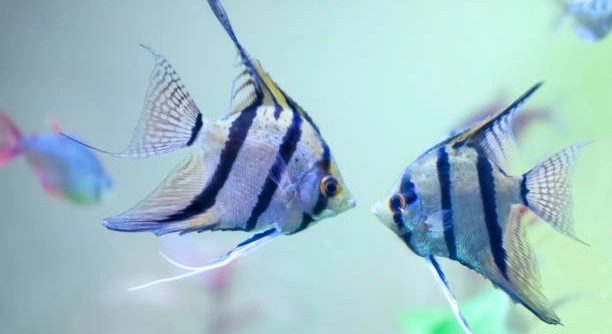
Is your angelfish moving in a strange way, shaking its head like something might be wrong? This kind of behavior can be surprising, especially if your fish has been acting normal up until now.
Head shaking in angelfish is often linked to health or environmental issues such as water quality, parasites, stress, or dietary deficiencies. Observing additional symptoms and checking tank conditions is crucial to understanding the root cause of this behavior.
Understanding what’s behind this movement can help you care better for your angelfish and prevent further health problems in the future.
Poor Water Quality
Poor water quality is one of the most common reasons an angelfish might shake its head. When ammonia, nitrite, or nitrate levels rise too high, it can irritate the fish’s gills and nervous system. This discomfort may show as twitching, head shaking, or darting. Angelfish need clean, stable water to stay healthy, and even small imbalances can affect them. A dirty tank or infrequent water changes can lead to sudden changes in parameters, which often go unnoticed until the fish start acting oddly. Regular testing and weekly partial water changes help keep things under control. Make sure to use a water conditioner, especially if you use tap water, and check that your filter is working properly. When water conditions are off, stress levels increase, and the fish becomes more vulnerable to illness. If your angelfish is shaking its head, checking water quality should always be your first step. It’s quick, simple, and can save your fish.
Small signs of distress like head shaking may be early warnings that your water quality needs attention before larger issues appear.
Stay consistent with maintenance and take action when parameters change. Your angelfish relies on clean water for comfort, behavior, and long-term health.
Parasites or Infections
Sometimes, head shaking can be caused by parasites or internal infections irritating the angelfish from the inside or around its gills.
Parasites like gill flukes or protozoa such as Hexamita can create discomfort that causes head twitching or rubbing against surfaces. These parasites often enter the tank through new fish or plants that haven’t been quarantined. Internal infections might also lead to erratic movements and appetite changes. When a fish has an internal issue, it might not show symptoms right away, making it easy to miss until the behavior changes. Quarantine any new fish for at least two weeks before adding them to your main tank. You can also treat the tank with parasite medication if symptoms suggest an infection. Watch for other signs like rapid breathing, white poop, or loss of color. These additional clues can help confirm if parasites or infections are the problem. Acting early gives your angelfish the best chance to recover.
Stress from Tank Mates
Aggressive or overly active tank mates can cause stress, leading to unusual behavior like head shaking. Angelfish prefer calm environments and do not do well when constantly harassed or chased by other fish.
Stress affects the nervous system and can show up in different ways, including twitching, hiding, or loss of appetite. Fin nipping, dominance battles, or even just overly fast-moving tank mates can overwhelm angelfish, especially in smaller tanks with limited space. If your angelfish is shaking its head, observe how other fish behave around it. Removing aggressive fish or separating them with a divider can help. Adding plants or decorations to create hiding spots also helps reduce tension. Stress doesn’t just affect behavior—it weakens the immune system, making illness more likely. When left unchecked, the constant stress can lead to long-term damage or even death, so it’s important to address it quickly.
Keep tank stocking balanced with peaceful species that match your angelfish’s temperament. Avoid placing fast or nippy fish in the same tank. Make sure there’s enough room to swim without crowding, and monitor interactions regularly. A calm environment can prevent both physical and behavioral issues before they develop.
Poor Diet and Nutritional Gaps
A poor diet lacking essential nutrients can cause strange behavior in angelfish, including twitching or head shaking. Just like other pets, angelfish need variety and quality in what they eat.
Feeding only one type of food—like flakes or pellets—can lead to vitamin or mineral deficiencies over time. Angelfish need protein, vitamins, and healthy fats to function properly. If their diet is limited, they may develop neurological or muscular problems that affect how they move. It’s a good idea to offer a mix of flakes, high-quality pellets, frozen or live foods like brine shrimp or bloodworms, and even some plant matter. Watch how your angelfish reacts after eating. If it starts twitching more or seems uncomfortable after feeding, the food might be low-quality or causing a reaction. Choose foods that are specifically made for tropical fish, and avoid anything expired or low in nutrition.
Overfeeding can also create problems. Excess food leads to dirty water, which affects behavior. Offer small portions two to three times a day and remove any uneaten food. It’s better to feed a little less than to overdo it. A well-fed angelfish will move smoothly and appear more active and balanced.
Rapid Changes in Water Temperature
Sudden drops or spikes in temperature can shock your angelfish, leading to twitching or head shaking. Angelfish prefer stable conditions, and even a few degrees of change can affect how they feel and behave.
Use a reliable heater and thermometer to maintain a steady temperature around 78–80°F. Avoid placing the tank near windows or vents where sudden drafts or sunlight can cause fast shifts.
Neurological Issues
Sometimes, head shaking can be linked to underlying neurological problems. These may come from genetics, past injuries, or infections that affect the brain or nervous system. In some cases, there is no clear cause. If water quality, diet, and tank mates are all in check but the shaking continues, it could be a deeper issue. These conditions are usually harder to treat and may not improve without veterinary help. Some fish live with mild twitching and still behave normally otherwise. If the shaking gets worse or comes with other changes, it’s best to consult a fish vet if one is available.
Boredom or Lack of Stimulation
Angelfish can get bored in tanks with little to explore or interact with. Simple movements like head shaking might happen more when they lack stimulation. Add plants, caves, or slow-moving tank mates to create a more engaging space.
FAQ
Can angelfish shake their heads for no reason?
While it may seem random, angelfish usually shake their heads in response to something specific. It could be water conditions, stress, parasites, or a reaction to food. Even boredom or territorial behavior can trigger it. It’s important to observe the tank closely and rule out common issues. If your angelfish is still eating, swimming normally, and looks healthy, the movement might be temporary. Still, sudden or repeated twitching is worth checking into. Subtle signs like this often come before more obvious symptoms, so it’s good to act early even if the cause isn’t clear right away.
How can I tell if my angelfish is stressed?
Stress in angelfish shows up in different ways—rapid gill movement, hiding, losing color, darting, and head shaking. You might notice them acting skittish or trying to avoid other fish. Some angelfish also lose their appetite or stop swimming around as much. Stress can come from poor water quality, loud environments, overcrowding, or incompatible tank mates. Check your filter, heater, and test the water for ammonia, nitrites, and nitrates. Make sure the tank isn’t near loud areas or in direct sunlight. A peaceful, stable tank setup can make a big difference for an angelfish’s behavior and overall health.
Should I treat my angelfish with medication right away?
Not right away. It’s important to first figure out what might be wrong. Medications can help with certain issues, but using the wrong one or overusing them can stress your fish even more. Start by testing your water and improving the tank’s cleanliness. Watch how your angelfish behaves throughout the day and look for other symptoms—like white stringy poop, spots, labored breathing, or rubbing against things. If parasites or infections seem likely, then you can look into treatments like anti-parasitic or antibacterial medications. Always follow dosage directions carefully and treat in a separate tank if possible.
Can shaking be a sign of gill flukes?
Yes, gill flukes can cause head shaking, flicking, or rubbing against tank decorations. These parasites irritate the gills and make it harder for fish to breathe comfortably. You might also notice rapid gill movement or your angelfish hanging near the surface. Gill flukes often come from unquarantined fish or live plants. If you suspect flukes, a microscope exam is the most accurate way to know. Without that, treatment with praziquantel-based meds is common. Be sure to treat the whole tank, and follow up with a second dose if needed. Clean your filter after treatment, and watch for improvements.
What if the shaking continues after fixing everything?
If you’ve corrected the water, improved diet, and ruled out parasites or stress but the shaking still happens, it may be neurological or behavioral. Some angelfish develop tics or odd movements that don’t seem to impact their health. As long as your fish is eating well, swimming without trouble, and interacting normally, it might be something you just monitor. Keep an eye out for any worsening or new symptoms. If things do change, take note and be ready to act. In rare cases, reaching out to a vet who handles fish may be the next step.
Can water changes help stop the shaking?
Yes, regular water changes are one of the best ways to reduce stress and prevent health issues. Dirty water is linked to many behavioral problems. Doing a 25–30% water change every week keeps harmful levels of ammonia, nitrite, and nitrate under control. Use a good water conditioner and match the new water’s temperature to avoid shocking your fish. Sudden changes can do more harm than good. If your angelfish starts twitching, a partial water change is a safe first step to try before using medications or making bigger changes to the tank setup.
Final Thoughts
Watching your angelfish shake its head can be worrying, especially if it’s something you haven’t noticed before. While it might look small, this behavior often points to something going on in the tank or with the fish itself. It’s not always serious, but it’s a sign that something might need your attention. The most common causes include poor water quality, stress from other fish, parasites, or even a lack of nutrition. Sometimes it can also be linked to less obvious things, like boredom or a sudden change in temperature. Looking at the full picture—behavior, tank setup, and water conditions—can help you figure things out faster.
Catching small signs early gives you the best chance to fix the problem before it gets worse. Regular care routines make a big difference. Checking the filter, doing weekly water changes, feeding a balanced diet, and watching how the fish interact all help keep your angelfish healthy and calm. If something feels off, take a step back and go over the basics: water parameters, food quality, tank mates, and temperature. Often, the cause becomes clear once you take a closer look at how the tank is running. And if your fish seems otherwise healthy—eating, swimming, and alert—the shaking may not always mean trouble, but it’s still worth keeping track of.
Angelfish are sensitive but rewarding to care for. Their behavior is one of the first ways they show you something isn’t right. Paying attention to little changes helps build a safer, more comfortable tank for them. If shaking continues even after adjustments, it could be a longer-term issue like a mild neurological condition. As long as the fish is stable and not showing signs of distress, just keep observing. Every angelfish is different, and some may develop small quirks in movement over time. Staying calm, informed, and consistent with care is the best approach. It keeps your angelfish safe, gives you peace of mind, and allows you to enjoy your aquarium without unnecessary stress.

Hello,
If you enjoy the content that we create, please consider saying a "Thank You!" by leaving a tip.
Every little bit helps us continue crafting quality advice that supports the health, happiness, and well-being of pets around the world, for pets of all shapes, sizes, and species.
We really appreciate the kindness and support that you show us!