
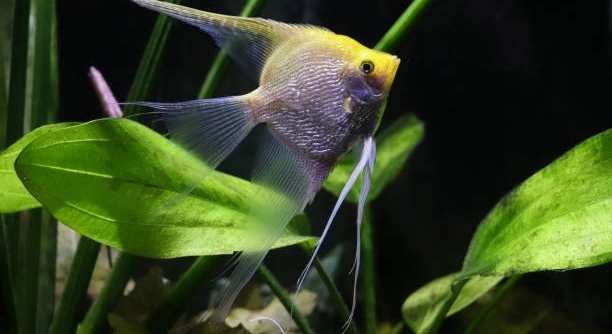
Angelfish are known for their graceful swimming patterns, but when they exhibit clamped fins, it can be concerning. This behavior may indicate something is wrong with your fish, but the cause can vary.
Clamped fins in angelfish typically signal stress or discomfort. This could be due to water quality issues, aggressive tankmates, or an underlying illness. Recognizing the cause and addressing it quickly is essential to ensure your angelfish’s well-being.
Understanding these causes will help you address the issue and create a healthier environment for your angelfish.
Poor Water Quality
One of the most common reasons your angelfish may swim with clamped fins is poor water quality. Angelfish are sensitive to changes in water parameters, and poor water conditions can cause stress. Elevated levels of ammonia, nitrites, or nitrates, as well as improper pH, can lead to this behavior. A lack of proper filtration or infrequent water changes may contribute to these issues. Regularly testing your water and maintaining stable conditions are essential steps to keep your angelfish healthy.
It is important to keep the water clean by performing frequent water changes and using a reliable filtration system.
Monitoring water quality is crucial for preventing stress and illness in angelfish. Make sure to test the water regularly for ammonia, nitrites, and nitrates. Keep the pH level within the recommended range for angelfish, and ensure the temperature is stable. Clean the tank regularly to avoid harmful buildup of toxins. If poor water quality is the cause, improving these factors can quickly resolve the issue.
Aggressive Tankmates
Angelfish are territorial and may show stress when they feel threatened by other fish. Aggressive or overly active tankmates can lead to the clamping of fins as your angelfish may feel the need to defend itself. It’s essential to carefully select compatible tankmates to ensure a peaceful environment.
Stress from aggression can result in a decline in health, affecting your angelfish’s overall well-being.
In a tank with multiple fish, it’s vital to consider the temperament of all inhabitants. Some fish, especially those with aggressive tendencies, may harass angelfish, causing them to feel constantly stressed. This can lead to clamped fins as a sign of submission or fear. The best approach is to house angelfish with peaceful, non-territorial fish that won’t provoke them. If aggression is observed, consider separating the aggressive fish or rehoming them to reduce stress. Creating a harmonious tank setup can greatly improve the health of your angelfish.
Illness or Infection
Angelfish, like all fish, can become ill and show signs of stress, including clamped fins. Bacterial or parasitic infections often cause this behavior. These infections may affect the fish’s skin, gills, or internal organs, resulting in discomfort. Identifying the symptoms early can help in treating the illness before it becomes more serious.
Infected angelfish may display other signs of illness such as abnormal swimming, lethargy, or changes in appetite. When clamped fins are noticed along with these symptoms, it’s important to quarantine the fish immediately. This prevents the spread of any potential illness to other tank inhabitants.
Treatment will depend on the type of infection. For bacterial infections, antibiotics may be necessary, while parasitic diseases may require a special treatment or medication. Consulting with a vet or experienced aquarist can help determine the right course of action. Regular monitoring and early detection are crucial for the health of your angelfish.
Temperature Stress
Angelfish are sensitive to temperature changes. If the water temperature fluctuates too much, they may exhibit stress through clamped fins. Angelfish thrive in a stable temperature range, typically between 75°F and 82°F. Anything outside this range can cause discomfort and health issues.
Consistent temperature control is essential for maintaining the well-being of your angelfish. If the water is too cold or too hot, their immune systems may weaken, making them more susceptible to diseases. You can avoid temperature stress by using an aquarium heater with a reliable thermometer.
To maintain a stable environment, ensure that the heater is properly calibrated and that the temperature is checked regularly. Avoid placing the tank near windows or heat sources where temperature fluctuations are common. A consistent temperature will help reduce stress and prevent clamped fins, ensuring your angelfish are comfortable and healthy.
Overfeeding
Overfeeding angelfish can lead to stress and health problems, which might cause clamped fins. Excess food in the tank can also lead to poor water quality, further contributing to stress. It’s important to feed them only what they can consume within a few minutes.
To avoid overfeeding, measure the food you give and remove any uneaten portions promptly. This will help maintain water quality and prevent excess waste. A regular feeding schedule with appropriate portions ensures your angelfish are well-fed without overloading the tank.
Feeding them properly also reduces the chances of digestive issues. A balanced diet helps them stay healthy, and this will reduce the likelihood of stress-related behaviors like clamped fins.
Water Chemistry Imbalance
Clamped fins can be a sign of water chemistry imbalance in your tank. Angelfish prefer stable water conditions with specific levels of pH, hardness, and alkalinity. If these levels are off, your fish may become stressed and exhibit signs such as clamped fins.
If you notice clamped fins, it’s important to test the water for pH, hardness, and alkalinity. Any imbalances should be corrected to match the angelfish’s ideal conditions. Use proper water conditioners and additives to adjust the levels accordingly.
Regularly testing your water and keeping a record of the results can help prevent future issues. Consistent maintenance of water chemistry ensures a healthy, stress-free environment for your angelfish.
Insufficient Space
Angelfish require ample space to swim and feel secure. A crowded tank can lead to stress and aggression, causing clamped fins. The size of your tank should accommodate the number of fish, providing enough room for each fish to establish territory and avoid conflict.
A tank with sufficient space allows your angelfish to swim freely and reduces territorial disputes. If the tank is too small, consider upgrading to a larger one to provide a more comfortable environment. A peaceful atmosphere encourages natural behaviors, which will help your angelfish thrive.
FAQ
What causes my angelfish to swim with clamped fins?
Clamped fins are often a sign that your angelfish is stressed or uncomfortable. The causes can vary, but common factors include poor water quality, aggression from tankmates, illness, or incorrect water temperature. Clamped fins are a protective response, signaling that your fish may be trying to conserve energy or protect itself from external stressors.
How can I fix clamped fins in my angelfish?
To fix clamped fins, first assess the water quality by testing for ammonia, nitrites, and nitrates. Make sure the temperature is within the recommended range for angelfish, between 75°F and 82°F. If the fins are clamped due to tankmates, consider rearranging the tank or removing aggressive fish. If illness is suspected, isolate the fish and treat it accordingly.
Can overfeeding cause clamped fins?
Yes, overfeeding can contribute to clamped fins. Excess food in the tank leads to water quality problems, such as increased ammonia or nitrate levels, which can stress your fish. Overfeeding also leads to digestion issues, making your fish uncomfortable. It’s important to only feed your angelfish what they can consume in a few minutes, removing any leftover food.
Is it normal for angelfish to have clamped fins sometimes?
Clamped fins are not normal behavior for angelfish, but they can occasionally appear due to temporary stress. This could happen during water changes, when introducing new fish, or if there’s a minor change in their environment. If clamped fins persist for an extended period, however, it’s a sign that something more serious is wrong.
What should I do if my angelfish is constantly swimming with clamped fins?
If your angelfish is constantly swimming with clamped fins, it’s important to identify the root cause. Start by checking the water quality and ensuring that the temperature and pH levels are appropriate. Next, observe other fish in the tank to see if there is aggression. If the behavior persists, consider isolating your angelfish and observing for signs of illness.
Can clamped fins be caused by poor water quality?
Poor water quality is one of the leading causes of clamped fins in angelfish. High ammonia, nitrites, or nitrates can cause significant stress, leading to this behavior. Dirty water can also promote bacterial and parasitic infections that contribute to clamped fins. Regular water testing and maintenance can prevent this from happening.
Can clamped fins be a sign of illness?
Clamped fins are often a sign of illness in angelfish. This could be caused by bacterial infections, parasites, or internal problems. If the clamped fins are accompanied by other symptoms such as lethargy, abnormal swimming patterns, or loss of appetite, it’s important to isolate the fish and treat the illness as soon as possible. Consulting an aquatic vet is recommended.
Can temperature stress cause clamped fins?
Yes, temperature stress can lead to clamped fins. Angelfish are sensitive to changes in temperature, and water that’s too hot or too cold can cause discomfort and stress. Make sure to keep the water temperature stable, ideally between 75°F and 82°F, to ensure your angelfish’s comfort and health.
How can I reduce aggression from tankmates?
To reduce aggression from tankmates, it’s important to choose peaceful fish that won’t harass your angelfish. You can also provide hiding spots and plants to create natural territories and reduce the chances of conflict. If aggression persists, consider removing the aggressive fish from the tank to prevent stress and potential injury to your angelfish.
Is water hardness a factor in clamped fins?
Yes, water hardness can affect your angelfish’s health and contribute to clamped fins. Angelfish prefer soft to moderately hard water. Water that is too hard or too soft can cause stress and discomfort, leading to clamped fins. Regular testing for water hardness and adjusting it as necessary can help prevent this issue.
Can clamped fins be a sign of boredom?
While boredom may not directly cause clamped fins, an unstimulating environment can lead to stress, which might result in clamped fins. Angelfish are social creatures and require a stimulating environment with plenty of space to swim. Providing plants, rocks, and other tank decorations can keep your angelfish mentally engaged and reduce the risk of stress-related behaviors.
Should I treat my angelfish if it has clamped fins?
If your angelfish has clamped fins, treatment depends on the underlying cause. Start by checking water quality and temperature. If the issue is related to illness, isolate the fish and provide appropriate treatment. For stress-related clamped fins, addressing environmental factors such as tankmate compatibility and space should be the focus.
Can clamped fins be prevented?
Clamped fins can often be prevented by maintaining a stable, clean environment. Regular water changes, proper filtration, and keeping water parameters in the correct range will help reduce stress in your angelfish. Additionally, choosing compatible tankmates and providing enough space for each fish can prevent territorial issues and stress.
How can I tell if my angelfish has an infection?
Signs of infection in angelfish include clamped fins, abnormal swimming, changes in appetite, and visible lesions or discoloration on the skin. Infections may also cause your fish to appear lethargic or have trouble breathing. If you notice these symptoms, it’s essential to isolate your angelfish and begin treatment immediately.
How often should I test my aquarium water?
It’s important to test your aquarium water at least once a week to ensure that the levels of ammonia, nitrites, nitrates, and pH are within safe ranges. If you notice signs of stress in your angelfish, increase testing frequency until you can pinpoint and resolve the issue.
Final Thoughts
Clamped fins in angelfish are usually a sign of stress, illness, or environmental issues. While it’s common for fish to display temporary clamped fins due to minor disturbances, persistent or severe cases should be addressed promptly. Regular monitoring of water conditions is essential in maintaining a healthy aquarium. Factors like water temperature, pH, and overall cleanliness can significantly impact your fish’s well-being. Additionally, providing enough space and ensuring your angelfish is not being bullied by tankmates are key components in preventing stress-related behaviors.
If your angelfish’s fins remain clamped for an extended period, it may be a sign of a deeper issue, such as disease or poor water quality. Testing water frequently is a simple yet effective way to pinpoint any discrepancies that might be causing discomfort. Many health issues, like parasites or bacterial infections, also lead to clamped fins. In such cases, isolating the affected fish and seeking treatment will help restore health and comfort. Regular water changes and keeping a clean tank are preventative measures that support a healthy environment for your angelfish.
Ultimately, the key to preventing clamped fins is creating a stable and peaceful environment. Pay attention to your fish’s behavior, tank setup, and the water’s condition. By addressing the root causes early, you can ensure that your angelfish thrive and live a healthy, stress-free life. While clamped fins are concerning, they are often manageable with timely intervention and proper care.

Hello,
If you enjoy the content that we create, please consider saying a "Thank You!" by leaving a tip.
Every little bit helps us continue crafting quality advice that supports the health, happiness, and well-being of pets around the world, for pets of all shapes, sizes, and species.
We really appreciate the kindness and support that you show us!