
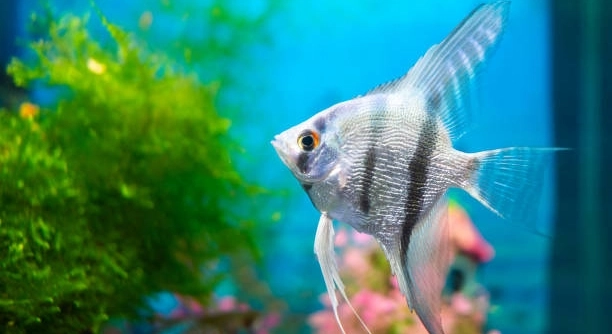
Angelfish are known for their beauty and grace, but if yours starts floating upside down, it may be concerning. This behavior can indicate a variety of issues affecting your fish’s health and well-being.
Several factors could cause your angelfish to float upside down. It might be due to swim bladder disease, stress, water quality problems, or other internal issues. Identifying the root cause can help you determine the best course of action for recovery.
There are various ways to address this issue and improve your angelfish’s condition. Understanding these causes will allow you to take the necessary steps to restore your fish’s health.
Swim Bladder Disease
Swim bladder disease is a common issue for angelfish. This organ helps regulate buoyancy, and when it’s not functioning properly, your fish may float upside down. The disease can be caused by overfeeding, poor water conditions, or infections. Swim bladder problems can also result from physical trauma or genetic issues. Overfeeding, especially with high-fat foods, can lead to constipation, which puts pressure on the swim bladder and disrupts its function. If your angelfish is not eating or shows difficulty swimming, swim bladder disease is likely the problem.
To treat swim bladder disease, first adjust your angelfish’s diet by feeding it smaller amounts. Consider fasting your fish for a day or two to help it clear any constipation. You can also add Epsom salt to the tank to aid in relief. However, if the problem persists, you may need to consider medication or consult a vet.
In some cases, swim bladder disease resolves on its own after a few adjustments. A healthy diet and consistent water changes can keep your angelfish from experiencing this issue again. Maintaining proper water temperature and avoiding overfeeding are essential preventive measures.
Poor Water Quality
Water quality plays a huge role in your angelfish’s overall health. Poor water conditions can stress your fish, leading to abnormal swimming behavior. Ammonia, nitrites, and nitrates can build up in the tank, causing irritation to the gills and other organs. Low oxygen levels may also impact the fish’s buoyancy. Regular water changes and proper filtration are essential to ensure that your fish remains healthy.
Maintaining good water quality will help prevent numerous issues, including swimming problems. Test the water regularly to check for harmful levels of ammonia, nitrites, and nitrates. Keeping the tank clean and the filtration system functioning properly will also support the health of your angelfish.
Stress
Stress is a significant factor affecting your angelfish’s swimming behavior. Changes in their environment, such as sudden temperature fluctuations, overcrowding, or aggressive tankmates, can make your fish float upside down. The imbalance in their surroundings disrupts normal swimming patterns and causes physical discomfort.
To reduce stress, ensure the tank is kept at a stable temperature, ideally between 76°F and 80°F. Avoid overcrowding and provide hiding spots for your angelfish to feel secure. Keep compatible tankmates together and ensure the water quality remains optimal to reduce stressors.
Stress can be minimized by maintaining consistency in your tank’s environment. If your angelfish is stressed, addressing these factors can help restore balance. Consider adding natural plants or decorations to create a calm atmosphere for your fish. Ensuring a peaceful environment will go a long way in preventing stress-related swimming issues.
Overfeeding
Overfeeding is another common issue. Excess food can lead to bloating or constipation, which directly affects buoyancy. This is especially true for angelfish, as they tend to eat quickly and may consume more than necessary. Leftover food in the tank also negatively impacts water quality.
Feed your angelfish in small portions that they can consume within a few minutes. Avoid leaving excess food behind, as it will decompose and harm water conditions. If your fish continues to overeat, consider switching to a feeding schedule with smaller, more frequent meals. This prevents overconsumption and helps maintain a healthy digestive system.
Be mindful of the types of food you provide. High-fat foods or foods with poor nutritional content can lead to constipation, making it harder for your angelfish to swim normally. A well-balanced diet, combined with regular water changes, is key to keeping your fish healthy.
Internal Infections
Internal infections can cause your angelfish to float upside down. These infections affect the digestive system and swim bladder, making it difficult for your fish to maintain buoyancy. Symptoms include a lack of appetite, lethargy, or bloated stomach.
If you suspect an internal infection, it’s important to quarantine the affected fish immediately. Begin treatment with anti-bacterial or anti-parasitic medications, depending on the symptoms. Proper diagnosis from a vet is ideal for an accurate treatment plan.
A long-term solution is to keep your tank clean and practice good hygiene. Reducing stress and feeding high-quality food can help strengthen your fish’s immune system, preventing infections.
Temperature Fluctuations
Rapid changes in water temperature can harm your angelfish. If the water is too cold or too warm, it can cause them to lose buoyancy or struggle to maintain proper swimming posture. This affects their overall health and behavior.
Maintaining a stable temperature range, around 76°F to 80°F, will help keep your angelfish comfortable. Invest in a reliable heater and thermometer to monitor fluctuations. Sudden temperature drops or rises can lead to shock, which is harmful to your fish’s health.
Poor Genetics
Genetics can play a role in abnormal swimming behavior. Some angelfish may be born with swim bladder issues or other internal problems that affect their ability to stay upright. These genetic factors can lead to long-term health problems.
While you can’t change a fish’s genetics, being aware of the issue helps you provide better care. If you’re breeding angelfish, ensure both parents are healthy and free from genetic defects.
FAQ
Why is my angelfish swimming upside down?
Angelfish may swim upside down due to swim bladder disease, poor water quality, overfeeding, stress, or internal infections. Each of these factors affects the fish’s buoyancy or overall health. Identifying the cause is crucial for determining the right course of action to restore your fish’s health. Regular water changes, proper diet, and a stable environment can help prevent most issues.
How can I tell if my angelfish has swim bladder disease?
The symptoms of swim bladder disease include floating upside down, difficulty swimming, or staying at the bottom or top of the tank. Your angelfish may also exhibit a bloated stomach or struggle to maintain its balance. If your fish shows these signs, adjusting its diet and water quality may help.
Can overfeeding cause my angelfish to float upside down?
Yes, overfeeding is a common cause of swim bladder issues in angelfish. Excess food, especially fatty foods, can lead to constipation and bloating, which in turn pressures the swim bladder and causes abnormal swimming behavior. To prevent this, feed your angelfish small, manageable portions and avoid leaving excess food in the tank.
What should I do if my angelfish is stressed?
To reduce stress in your angelfish, first ensure the tank environment is stable, with a consistent temperature and clean water. Avoid overcrowding, ensure your fish has enough space to swim, and keep tankmates compatible. Adding hiding spots with plants or decorations can also help your fish feel more secure.
How can poor water quality affect my angelfish?
Poor water quality, including high ammonia, nitrite, or nitrate levels, can cause stress and physical issues in your angelfish. These toxins irritate your fish’s gills and organs, making it harder for them to swim properly. Regular water testing, water changes, and a good filtration system are necessary to maintain healthy water conditions.
How can I improve the water quality in my angelfish tank?
Improving water quality involves regular water changes (at least 25% every two weeks) and checking the levels of ammonia, nitrites, and nitrates. Use a reliable filter, and clean it regularly to ensure proper filtration. Adding live plants can help absorb excess nutrients and maintain a balanced environment for your angelfish.
Is it safe to add salt to the tank for swim bladder issues?
Epsom salt is often recommended to help with swim bladder disease. It can reduce bloating and promote proper digestion. However, it’s important to dissolve the salt in water before adding it to the tank. Be sure to follow the recommended dosage for your tank size, and avoid using regular aquarium salt, as it may not have the same effect.
Can temperature fluctuations make my angelfish float upside down?
Yes, temperature fluctuations can stress your angelfish and affect their buoyancy. Sudden changes can lead to shock, causing them to float upside down or swim abnormally. Maintaining a consistent water temperature between 76°F and 80°F is essential for your angelfish’s health and stability.
How often should I feed my angelfish?
Feed your angelfish small portions twice a day, only as much as they can consume within a few minutes. Overfeeding can lead to health issues such as constipation and swim bladder problems. Regular feeding schedules also prevent the buildup of uneaten food in the tank, which can harm water quality.
Can my angelfish recover from swim bladder disease?
Yes, angelfish can recover from swim bladder disease with the right care. Adjusting their diet, providing a stress-free environment, and ensuring proper water conditions can help them recover. In some cases, medications may be required to treat infections or parasites. Be patient and monitor their progress.
Why does my angelfish seem bloated?
Bloating in angelfish is often caused by constipation, overfeeding, or an internal infection. It can also be a symptom of swim bladder disease. If your fish appears bloated, consider fasting it for a day or two, and adjust the feeding schedule. If bloating persists, consult a vet for treatment.
Can I use medications to treat internal infections in my angelfish?
Yes, you can use medications specifically designed to treat internal infections in angelfish. Anti-parasitic or anti-bacterial treatments can be effective, depending on the symptoms your fish is showing. Be sure to follow the directions on the medication and quarantine the affected fish to prevent spreading the infection to others.
How do I know if my angelfish is suffering from an infection?
Signs of an infection in angelfish include changes in swimming behavior, loss of appetite, bloating, discoloration, or visible lesions. If your fish is displaying these symptoms, it’s important to address the issue immediately by adjusting water quality and considering the appropriate medication. A veterinarian specializing in fish can provide a more accurate diagnosis.
Can poor genetics cause my angelfish to float upside down?
Genetics can play a role in abnormal swimming behavior. Some angelfish may have inherited swim bladder issues or other physical conditions that cause them to float upside down. If your fish was bred from a line with genetic health problems, this could be a contributing factor to its symptoms.
What is the best way to prevent swim bladder disease in my angelfish?
Preventing swim bladder disease starts with a balanced diet, proper tank maintenance, and monitoring water conditions. Avoid overfeeding, maintain a stable temperature, and ensure your fish has enough space to swim. Regular water changes and proper filtration are key to preventing many common fish health issues.
Can tankmates affect my angelfish’s swimming behavior?
Yes, tankmates can influence your angelfish’s behavior. Aggressive or incompatible fish may cause stress, leading to abnormal swimming patterns. Be sure to select peaceful, non-territorial tankmates and avoid overcrowding. Stress can cause your angelfish to swim abnormally, including floating upside down.
How do I adjust the temperature in my angelfish tank?
Use a reliable aquarium heater and thermometer to regulate the water temperature. Make gradual adjustments if the temperature is off. Avoid sudden changes, as this can shock your fish. Consistency is key, so check the temperature regularly to ensure it stays within the ideal range for your angelfish.
Final Thoughts
Angelfish are beautiful and delicate creatures that require proper care to stay healthy and thrive. When they begin to swim upside down, it can be a sign of an underlying issue. These issues can range from swim bladder disease to poor water quality or even stress. Identifying the root cause of the problem is crucial in providing the right treatment. It’s important to monitor your angelfish regularly, ensuring they have the best possible living conditions. A stable environment with clean water, appropriate temperatures, and a proper diet will go a long way in preventing many common health problems.
If you notice that your angelfish is floating upside down, do not panic. There are multiple reasons this could be happening, and most of them can be addressed with a bit of effort and patience. In many cases, adjusting the diet, improving water quality, and reducing stress can help your angelfish recover. In some situations, medical treatment may be required, especially if internal infections or parasites are present. It’s always best to start with small adjustments and gradually increase treatment if necessary. By following a consistent care routine, you can reduce the chances of these health problems arising in the future.
In conclusion, maintaining the health and well-being of your angelfish requires ongoing attention to their environment and care. Regular water changes, proper feeding habits, and a stress-free tank can prevent many health issues, including swimming upside down. If problems persist, don’t hesitate to seek advice from a fish expert or veterinarian. With the right approach, your angelfish can recover and continue to live a happy, healthy life in your tank.

Hello,
If you enjoy the content that we create, please consider saying a "Thank You!" by leaving a tip.
Every little bit helps us continue crafting quality advice that supports the health, happiness, and well-being of pets around the world, for pets of all shapes, sizes, and species.
We really appreciate the kindness and support that you show us!