
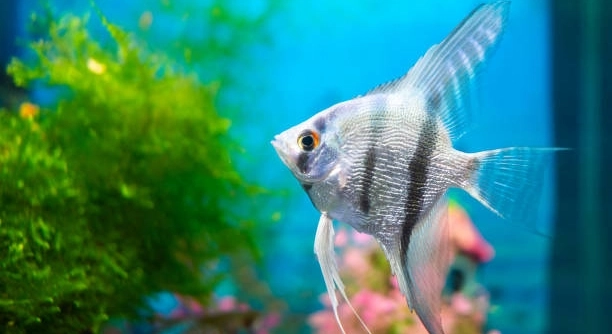
Do you ever notice your angelfish breathing heavily and wonder what could be causing it?
Heavy breathing in angelfish can be a sign of various health issues. The causes can range from poor water quality to stress or infections, which can lead to labored breathing or rapid gill movement.
Understanding the underlying reasons for heavy breathing in angelfish can help you address the issue effectively and ensure a healthier environment for your fish.
Poor Water Quality
Poor water quality is one of the most common reasons for heavy breathing in angelfish. If the water in the tank contains high levels of ammonia, nitrites, or nitrates, your fish may struggle to get enough oxygen, leading to rapid or heavy breathing. It’s essential to regularly check the water parameters with a reliable test kit. If you find that ammonia or nitrite levels are elevated, it’s time to take action by performing a water change and adjusting filtration. Fish that are exposed to poor water conditions over a prolonged period can suffer from stress and may eventually develop health issues like gill damage, making it even harder for them to breathe.
Water changes are a simple yet effective way to address this.
Keeping your angelfish’s water clean and within the appropriate parameters will help them thrive. A consistent maintenance routine, which includes weekly water changes and checking filters, will go a long way in preventing breathing issues caused by poor water quality. Monitoring the water’s temperature and ensuring it stays stable is just as important, as fluctuations can add to the stress.
Infections or Diseases
Infections or diseases can also lead to your angelfish breathing heavily. Fish can suffer from bacterial, viral, or parasitic infections that affect their gills, making it harder for them to absorb oxygen. If you notice any signs of lesions, unusual behavior, or discoloration, it’s important to consult with a veterinarian specializing in fish or seek advice from a knowledgeable fish store. Identifying the specific infection is key to treating it effectively.
Antibiotics or other treatments may be necessary, depending on the type of infection.
Fish diseases can spread quickly in a tank, so it’s crucial to act fast. Quarantining affected fish can prevent the illness from spreading to other tankmates. For bacterial infections, medications such as antibiotics can help, but be sure to follow the instructions carefully. Parasitic infections may require a different treatment, often available from local pet shops or veterinarians. Regular observation of your angelfish can help spot early signs of illness, allowing for quicker intervention and recovery.
Stress or Aggression
Stress can lead to heavy breathing in angelfish. If your fish feel threatened or are exposed to a lot of sudden changes, such as new tankmates or environmental fluctuations, they may start breathing faster.
Fish can also react aggressively towards each other, especially if there isn’t enough space or hiding spots. In some cases, the presence of territorial behavior among tankmates can cause your angelfish to feel constantly on edge.
Maintaining a peaceful and stable environment is crucial. Adding plants or decorations can provide hiding spots, allowing your angelfish to feel secure. Reducing the number of tankmates or adjusting their positions in the tank can minimize stress and decrease aggressive behaviors. A peaceful tank leads to calmer fish and less stress-induced breathing issues.
Overcrowding
Overcrowding is another issue that can affect your angelfish’s breathing. When too many fish are placed in a small tank, oxygen levels can quickly deplete. This results in fish breathing heavily in an attempt to get more oxygen.
Ensure your tank is large enough for the number of fish you have. Angelfish typically require 20 gallons or more of water for proper space. Overcrowding also leads to increased waste and poor water quality, which compounds the breathing issues.
If you suspect overcrowding, it’s time to either upgrade your tank or reduce the number of fish. Reducing stocking density and providing proper filtration will not only help improve oxygen levels but will also contribute to better overall water quality. Healthy water equals healthy fish.
Water Temperature
If the water temperature in the tank fluctuates too much, it can stress out your angelfish, causing them to breathe heavily. Keeping the water temperature stable is important for their health.
Angelfish prefer temperatures between 76-82°F. Any drastic changes, especially sudden drops, can cause discomfort and even lead to respiratory issues. If your tank’s temperature is unstable, consider using a reliable heater.
Using a thermometer to monitor the temperature regularly can help you maintain a consistent environment. Sudden shifts in temperature can reduce oxygen levels in the water, making it harder for your angelfish to breathe.
Lack of Oxygen
A lack of oxygen in the tank is another common cause of heavy breathing in angelfish. When there isn’t enough oxygen, your fish will try to compensate by breathing faster.
Ensure your tank is properly aerated by using an air pump, sponge filter, or surface agitation. This allows oxygen to dissolve into the water. If the surface of the water is still, oxygen exchange is limited.
Regularly check if the water surface is moving. If it’s not, adding a powerhead or aerator can help increase oxygen levels. This will improve your fish’s breathing and overall health.
Poor Tank Maintenance
Neglecting regular maintenance can quickly lead to water quality issues, making it harder for your angelfish to breathe. Without consistent cleaning, waste and debris can build up.
Keeping your tank clean, checking filters, and performing water changes regularly will help prevent these problems. Dirty tanks can also harbor harmful bacteria and parasites.
Cleaning the substrate, vacuuming, and ensuring the filtration system is functioning properly are all crucial. This will maintain water quality and reduce the risk of breathing problems. Regular care keeps your tank a safe and healthy environment for your fish.
FAQ
Why is my angelfish swimming erratically and breathing heavily?
Erratic swimming and heavy breathing can be signs of stress or poor water quality. If your angelfish is moving in unusual patterns, it may be trying to escape from something like poor water conditions, overcrowding, or a tank mate that’s being aggressive. If you’ve noticed heavy breathing alongside this behavior, it’s a sign your fish may be struggling to get enough oxygen, which could be a result of water pollution or low oxygen levels. Check your water parameters and make sure the tank is not overcrowded.
What are the signs that my angelfish has a disease?
When angelfish are sick, they may exhibit visible signs such as faded colors, lesions, clamped fins, or abnormal swimming patterns. If you notice any of these signs, the fish may be suffering from an infection or disease that could be affecting their gills and causing heavy breathing. It’s important to closely observe the fish and consult with an expert for diagnosis and treatment. Often, diseases can spread quickly, so quarantining sick fish can help prevent others from becoming infected.
Can poor water quality cause heavy breathing in angelfish?
Yes, poor water quality is one of the main causes of heavy breathing in angelfish. High levels of ammonia, nitrites, or nitrates can suffocate the fish and cause them to work harder to breathe. These toxins reduce oxygen availability, leading to labored breathing. Regular water testing and maintenance—such as water changes and ensuring proper filtration—are essential to keep your fish healthy.
What should I do if my angelfish is breathing heavily?
First, check your water parameters. Make sure the ammonia, nitrite, and nitrate levels are within safe ranges. If the levels are high, perform a water change to reduce toxicity. Also, check if the tank’s oxygen levels are adequate. Consider adding an air pump or adjusting the filter to improve water aeration. If the issue persists, look for other potential causes like stress, aggression, or disease.
Can temperature fluctuations affect my angelfish’s breathing?
Yes, sudden changes in temperature can make your angelfish breathe heavily. Angelfish prefer stable temperatures between 76-82°F. If the water temperature fluctuates too much, it can stress your fish and disrupt their ability to absorb oxygen efficiently. Make sure to use a reliable heater to maintain a consistent temperature, and check the water regularly with a thermometer.
How can I reduce stress in my angelfish?
To reduce stress in angelfish, maintain a calm environment. Avoid sudden changes in the tank, like moving decorations or changing water temperature drastically. Also, avoid overcrowding, as too many fish in a tank can lead to competition for resources. Ensure your angelfish have plenty of hiding spots and territories to reduce aggression from other fish. Additionally, minimize loud noises or vibrations around the tank that could stress them out.
Can overfeeding cause my angelfish to breathe heavily?
Overfeeding can indirectly cause heavy breathing in angelfish. Leftover food decomposes in the water, leading to increased waste and toxins. This can lower the water quality and reduce oxygen levels, causing the fish to breathe more heavily. To avoid this, feed your fish the appropriate amount of food and remove any uneaten food after a few minutes. Keeping the tank clean will help maintain better water conditions for your fish.
Should I quarantine my angelfish if it’s breathing heavily?
Yes, quarantining your angelfish can be a good idea if it’s showing signs of illness, such as heavy breathing. Isolation prevents potential diseases from spreading to other fish and allows you to monitor the affected fish closely. During quarantine, you can adjust water conditions and treat the fish if necessary without risking the health of your other fish.
Is there any medication to help with heavy breathing in angelfish?
There is no direct medication specifically for heavy breathing, as this symptom is typically a sign of an underlying problem, like poor water quality or disease. However, treating the cause—such as administering antibiotics for infections or improving water conditions—can help alleviate the heavy breathing. Always consult a fish expert or veterinarian before using medications, as incorrect use can harm your fish.
What should I do if my angelfish is gasping for air at the surface?
Gasping at the surface is often a sign that your angelfish isn’t getting enough oxygen. Check the water for oxygen levels and increase aeration by adding an air pump or adjusting the filter. It’s also important to check if your water temperature is within the ideal range and ensure that the tank isn’t overcrowded. If the fish continues to gasping, inspect the water quality for high ammonia or nitrite levels.
Can tank size impact the breathing of angelfish?
Yes, the size of the tank plays a significant role in the health of your angelfish. In a tank that’s too small, oxygen levels can quickly drop, leading to heavy breathing. Angelfish need a minimum of 20 gallons of water to thrive, and larger tanks can help maintain stable water parameters. A spacious tank allows for better oxygenation and helps prevent overcrowding, which can reduce stress and respiratory issues.
How often should I clean my angelfish tank?
Cleaning your angelfish tank regularly is essential to avoid problems with water quality, which can lead to heavy breathing. Perform a 20-25% water change weekly to maintain clean conditions. You should also clean the substrate and check the filter every few weeks to ensure everything is working properly. Regular maintenance will help prevent toxic buildup in the water and ensure your angelfish stays healthy.
Final Thoughts
Heavy breathing in angelfish can be concerning, but it is often a sign of an underlying issue. Identifying the cause quickly is key to resolving the problem and improving the health of your fish. Whether it’s poor water quality, a lack of oxygen, or stress, addressing these factors promptly will help your angelfish recover. Regularly testing water parameters, maintaining proper filtration, and keeping the tank clean are the first steps toward preventing heavy breathing and ensuring your fish stay healthy.
It’s also important to keep an eye on your fish for other signs of illness. If heavy breathing is accompanied by unusual behavior or physical changes, it could indicate a more serious issue, such as an infection or disease. In these cases, seeking professional advice from a veterinarian or fish expert can help provide the best treatment. A careful and proactive approach will often prevent the problem from worsening and ensure your angelfish stays comfortable in its environment.
By maintaining a consistent routine of water changes, monitoring water conditions, and managing the overall health of your aquarium, you can prevent many common issues that lead to heavy breathing in angelfish. Your fish rely on you to keep their home clean, stable, and stress-free. Taking the time to address these concerns can make a big difference in your angelfish’s well-being, allowing them to thrive for years to come.

Hello,
If you enjoy the content that we create, please consider saying a "Thank You!" by leaving a tip.
Every little bit helps us continue crafting quality advice that supports the health, happiness, and well-being of pets around the world, for pets of all shapes, sizes, and species.
We really appreciate the kindness and support that you show us!