
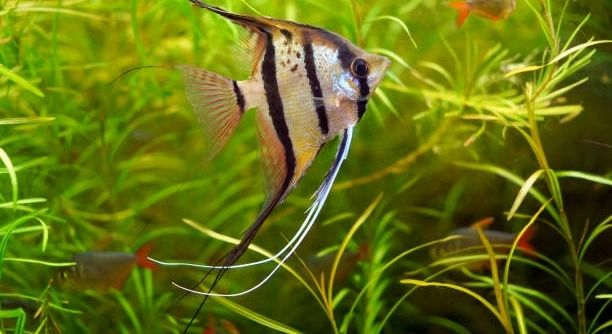
Angelfish are beautiful and fascinating creatures. If you have them in your aquarium, you may be wondering how to know when they are about to lay eggs. Recognizing this moment can be exciting and rewarding.
Angelfish typically show signs before laying eggs, such as becoming more territorial and displaying specific behaviors like cleaning surfaces. They may also change their physical appearance, with females appearing rounder and more plump. These signs indicate an impending egg-laying event.
Knowing what to look for can make the experience of breeding angelfish much easier. Understanding their behavior before they lay eggs ensures that you can provide the right environment for them.
Physical Changes in Your Angelfish
Before angelfish lay eggs, you may notice some changes in their appearance. Female angelfish tend to become rounder as their body fills with eggs. This is especially visible when you observe them from the side. The belly will appear swollen, and you may even notice that the fish looks slightly larger than usual.
The males, on the other hand, will often display more vibrant colors. Their fins may become more extended and show off a brighter hue. You may also observe that both the male and female become more active, swimming around their territory, preparing to find a suitable surface for egg-laying.
It’s important to pay attention to these physical changes because they’re clear indicators that your angelfish are getting ready to reproduce. The more familiar you are with these subtle signs, the better you’ll be able to care for the fish during this phase.
Behavior Changes in Angelfish
As your angelfish prepare to lay eggs, their behavior will change significantly. They will begin to clean a flat surface, such as a rock or a broad leaf, which will be used for egg placement. The cleaning process is done by rubbing their bodies against the surface, ensuring it’s free of debris.
Both the male and female work together during this stage, making the area suitable for laying eggs. The male may chase the female around, encouraging her to lay the eggs. When they find the right spot, the female will deposit the eggs, and the male will fertilize them. This cooperative process is essential for successful egg development.
By observing these behaviors, you’ll have a clear idea that your angelfish are preparing for reproduction. Keeping their environment clean and stable during this time is key to ensuring the eggs develop properly and that your angelfish stay healthy.
Changes in Swimming Patterns
When angelfish are about to lay eggs, their swimming patterns will often change. They will swim slower and more deliberately. The female may swim near the surface while the male follows closely behind, showing signs of attention and focus. These movements indicate that they are preparing for the egg-laying process.
As the fish get closer to laying eggs, they tend to stay near their chosen surface. They may display a more territorial behavior, aggressively guarding the area against other tank mates. You might also notice them darting around quickly if another fish approaches, ensuring their chosen spot remains undisturbed. This is their way of making sure the space is safe and ready.
It’s important to respect their space during this time. If there are other fish in the tank, it may be beneficial to create hiding spots or barriers so the angelfish can feel more secure. Keeping the tank peaceful will help reduce stress and ensure the egg-laying process goes smoothly.
Increased Appetite
You may notice your angelfish eating more than usual before laying eggs. This increase in appetite is a sign that they are preparing their bodies for the energy-intensive task of reproduction. Both the male and female will consume more food to help support the development of the eggs.
To help your angelfish during this time, it’s important to provide a balanced diet. Offer high-quality flakes, pellets, and occasional treats like live or frozen foods. Proper nutrition is key to making sure the eggs are healthy and the fish remain strong.
Feeding your angelfish during this stage ensures they have enough energy to lay and protect their eggs. Make sure you don’t overfeed, though, as excess food can lead to poor water quality.
Territorial Behavior
As egg-laying approaches, angelfish can become more territorial. They may defend their chosen spot by swimming aggressively toward any other fish that comes too close. This behavior is natural as they want to ensure the area is safe for their eggs. It’s a clear signal that the eggs are near.
Both the male and female will patrol the area, constantly watching for intruders. They might even chase other fish away to protect their territory. It’s important to let them have this space and avoid disturbing them. This aggression is not meant to harm, but to secure their future offspring.
Physical Signs of Female Angelfish
Female angelfish will often appear noticeably rounder as they prepare to lay eggs. The swollen belly is a visible sign that the eggs are developing inside her. During this time, you might notice her swimming more slowly, possibly signaling her readiness to lay eggs soon.
Male Angelfish Behavior
Male angelfish will usually display more vivid colors when preparing to mate. Their fins become longer, and they often exhibit brighter hues, showing their strength and readiness to fertilize the eggs. This colorful display helps attract the female and shows their dominance.
FAQ
How can I tell if my angelfish are ready to lay eggs?
When angelfish are ready to lay eggs, their behavior and physical appearance will change. Females will become rounder as their bodies fill with eggs. You will also notice the pair cleaning a surface, like a rock or plant leaf, in preparation for egg-laying. Their swimming patterns may become more deliberate, and they will display territorial behavior, guarding their chosen spot. Both the male and female will work together to ensure the area is secure for the eggs.
How long does it take for angelfish to lay eggs?
The process of egg-laying can take anywhere from a few hours to a full day, depending on the environment and the health of the angelfish. Once the female is ready, she will begin laying eggs, and the male will fertilize them immediately after. This process is typically completed in one or two sessions.
Do angelfish lay eggs without fertilization?
Yes, angelfish can lay eggs without fertilization. Female angelfish will still produce eggs, even if no male is present. These unfertilized eggs will not develop into fry, but the female may still exhibit the same behavior, including cleaning surfaces and becoming rounder in appearance.
How often do angelfish lay eggs?
Angelfish can lay eggs quite frequently, often every two to three weeks. If conditions are right, they may breed every few weeks throughout the year. However, if they feel stressed or their environment is not ideal, egg-laying might be less frequent.
What should I do if my angelfish lay eggs?
Once your angelfish have laid eggs, the first step is to ensure the tank environment remains stable. The eggs need a calm, clean environment to develop properly. Make sure there is minimal disturbance from other fish. If you plan on raising the fry, it may be necessary to move the eggs to a separate breeding tank or use a breeding net to protect them from other tankmates.
How can I tell if angelfish eggs are fertilized?
Fertilized eggs will turn a pale, translucent color after being fertilized by the male. Unfertilized eggs typically remain opaque and may develop a white, cloudy appearance. If you notice white eggs, it usually means they were not fertilized. Fertilized eggs will start to develop small black dots as the embryos grow inside the egg.
What happens after angelfish lay eggs?
After laying eggs, the female will stay close to the fertilized eggs while the male will often guard the area. Both parents will protect the eggs and chase away any potential threats. The parents may fan the eggs with their fins to ensure proper oxygen flow. If conditions are right, the eggs will hatch in about 2-4 days, and the fry will begin swimming around shortly after.
Can angelfish lay eggs in a community tank?
Angelfish can lay eggs in a community tank, but it’s more difficult for the eggs to survive if there are other fish. Angelfish are territorial, and the eggs may be eaten by other tankmates. If you want to raise the fry, you may need to move the eggs to a separate tank or use a breeding box to keep them safe.
What do I need to feed angelfish before and after they lay eggs?
Before and after laying eggs, your angelfish need a nutritious diet to ensure they stay healthy and their eggs develop properly. Offer a mix of high-quality flakes, pellets, and occasional live or frozen food like brine shrimp. A varied diet supports both the egg-laying process and the early development of the fry.
Why do angelfish eat their eggs?
Angelfish may eat their eggs if they sense that the environment is not ideal for raising fry, or if they feel stressed. This behavior is normal and is part of their instinct to protect the eggs. It’s also possible that the eggs weren’t fertilized or were damaged. Sometimes, even the most careful angelfish will eat their eggs if they feel threatened.
Final Thoughts
Watching your angelfish prepare to lay eggs can be an exciting experience. It’s fascinating to observe how these fish show different behaviors and physical changes before they spawn. Understanding these signs can help you ensure that they are ready for the process, and it allows you to create the right environment for both the parents and the eggs. Whether you’re a new fish keeper or more experienced, knowing what to look for can make breeding your angelfish much easier.
Maintaining a peaceful and stable environment is key when angelfish are ready to lay eggs. Their behavior becomes more territorial, and they may even show aggression towards other fish. This is normal, as they want to protect their eggs. It’s important to ensure the tank is clean, and if necessary, separate the breeding pair from other tankmates. Be sure to monitor the water temperature, pH, and overall quality, as any changes in these factors can stress the fish and affect the egg-laying process. A quiet and secure environment helps ensure the best chance for successful egg fertilization and healthy fry.
While breeding angelfish can be rewarding, it does come with some challenges. The eggs may not always be fertilized, or they could be eaten by the parents or other fish. It’s essential to be prepared for this possibility and to create a plan for how to handle the situation. Whether you decide to move the eggs to a separate tank or simply let nature take its course, being patient and observant is key. By understanding the signs and behaviors of your angelfish, you can ensure a better experience and take the right steps to support your fish during this special time.

Hello,
If you enjoy the content that we create, please consider saying a "Thank You!" by leaving a tip.
Every little bit helps us continue crafting quality advice that supports the health, happiness, and well-being of pets around the world, for pets of all shapes, sizes, and species.
We really appreciate the kindness and support that you show us!