
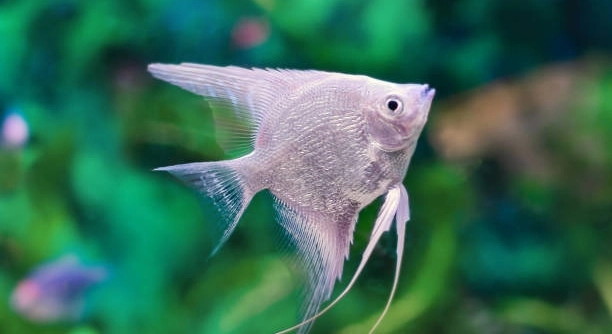
Angelfish are often known for their peaceful nature, but sometimes they can act aggressively without warning. This change in behavior can leave fish owners wondering what caused the shift in their usual demeanor.
Several factors could lead to your angelfish becoming more aggressive. Environmental stress, tank conditions, territorial disputes, and even mating behavior are common causes. Each of these factors can lead to your fish acting out in unexpected ways.
Understanding these factors will help you address the issue and ensure your angelfish’s well-being. Keep reading to find out what might be causing the behavior and how to resolve it effectively.
Stress from Poor Water Conditions
If the water quality in your tank is not up to standard, it can lead to stress in your angelfish, triggering aggressive behavior. Angelfish are sensitive to changes in their environment, and poor water quality can make them feel threatened. Factors such as incorrect pH levels, high ammonia or nitrate levels, and fluctuating water temperature can cause discomfort. This discomfort can lead to increased aggression as the fish attempt to defend themselves or their territory. Ensuring proper filtration and regular water changes can help maintain a healthy environment and reduce aggression.
A water test kit is an easy way to monitor your tank’s conditions. Test the water regularly to check for any imbalances. Small adjustments can have a large impact on your fish’s health and behavior.
Providing stable and clean water can ease many aggression issues. Make sure to test regularly and make adjustments as needed to improve water quality. Healthy fish are happier fish, and their behavior will often reflect it.
Overcrowding in the Tank
Overcrowding is another factor that may contribute to aggression. When there are too many fish in a small tank, the angelfish may feel the need to defend their space. Even peaceful fish can become territorial when they are forced to share a limited area with others. Overcrowding can also increase competition for food, leading to heightened stress and aggression.
To prevent this, make sure your tank has enough space for all your fish. A 20-gallon tank is recommended for a pair of angelfish, with additional space for each extra fish. This helps ensure that the fish have enough room to swim and claim their own territory.
Proper tank management will reduce aggressive behavior. If you notice signs of overcrowding, consider rehoming some fish or upgrading to a larger tank. Your angelfish will feel safer and more at ease in a spacious, well-maintained environment.
Mating Behavior
Angelfish can become aggressive when they are in breeding mode. During the mating process, they often become territorial and protective over their chosen nesting spot. If there is another fish in the vicinity, they may chase it away, or even attack. This behavior is natural but can be alarming to fish owners.
When the fish are preparing to breed, it’s common for them to become more protective of their space. They may pick fights with tankmates, especially if they feel their area is being encroached upon. To minimize aggression, provide hiding spots and make sure the tank is large enough for them to feel secure.
Even though the aggression is temporary, it can still be stressful. Keep a close eye on the pair to ensure they are not harming other fish. Separating aggressive fish or providing more space can reduce the chances of injury to other tankmates.
Tank Decoration and Layout
The layout of your aquarium can also affect your angelfish’s behavior. If there aren’t enough hiding spots, your angelfish may feel exposed and become aggressive. The lack of plants or decorations forces them into open spaces where they are more vulnerable.
Adding plants, rocks, and other decorations can provide necessary hiding places, reducing the feeling of exposure. Fish, including angelfish, feel safer when they can retreat to a quiet corner or behind plants when they feel threatened. Proper layout also ensures that there are territories for all the fish in the tank, which helps minimize territorial disputes.
Be mindful of the number of decorations, as overcrowding the tank with objects can make the space feel cramped. A balanced layout that gives fish room to swim while offering shelter will keep your angelfish comfortable and reduce their chances of becoming aggressive.
Illness or Injury
Sometimes, aggression in angelfish can be a response to illness or injury. When a fish feels unwell, it may act out in an attempt to protect itself. This behavior is often linked to stress caused by physical discomfort.
Look for signs of illness, such as faded color or unusual swimming patterns. If your angelfish is sick, address the health issue immediately. Provide quarantine tanks if necessary and monitor the water conditions closely to avoid further stress. A sick fish may need specialized treatment to recover.
Acting quickly to address health issues can prevent prolonged aggression. Treating injuries or diseases will help your angelfish return to its peaceful state.
Lack of Proper Diet
An imbalanced diet can cause stress and irritability in your angelfish, which may lead to aggression. If they aren’t getting the proper nutrition, they may feel weak or frustrated. A poor diet can also affect their overall health, making them more susceptible to stress.
Ensure that your angelfish receives a variety of foods rich in protein and other essential nutrients. Offer high-quality flakes, pellets, and live foods. A healthy diet will not only reduce aggression but also keep your fish active and healthy. You should also feed them in appropriate portions to avoid overfeeding, which can also cause stress.
A well-balanced diet is essential for your fish’s well-being. Pay attention to what you’re feeding them and adjust their meals based on their needs.
Lighting Issues
Lighting can play a significant role in your angelfish’s behavior. Poor lighting, whether too bright or too dim, can cause stress and aggression. Fish rely on natural light cues for rest and activity cycles, and improper lighting can disrupt this balance.
Use soft, dim lighting for the tank during the night to mimic natural conditions. Ensure the tank receives adequate but not harsh lighting during the day. This routine will allow your angelfish to rest properly and feel more secure, reducing the likelihood of aggression.
Adjusting the lighting to match natural patterns can help maintain a calm environment. Proper lighting is a simple way to improve your angelfish’s behavior.
FAQ
Why is my angelfish attacking other fish?
Angelfish may attack other fish for several reasons, including territorial behavior, breeding instincts, or stress. When an angelfish feels threatened or its space is encroached upon, it may act aggressively to defend its territory. Additionally, breeding pairs can become particularly protective of their nests, leading to increased aggression. It’s also possible that your fish is feeling stressed due to poor water conditions, overcrowding, or a lack of hiding spots in the tank.
How do I know if my angelfish is sick?
If your angelfish is sick, you may notice changes in its behavior, such as swimming erratically, staying at the bottom of the tank, or refusing to eat. Physical signs of illness may include discoloration, spots, lesions, or swollen areas on the body. Additionally, if your fish is rubbing against rocks or decorations, it could be a sign of parasites. Infected fish may also exhibit clamped fins, which means they keep their fins pressed against their body.
Can angelfish become aggressive during mating?
Yes, angelfish can become more aggressive during mating. They may act territorially, defending their nesting site from other fish in the tank. This is a normal behavior, as they are protecting the area where they intend to lay their eggs. Aggressive behavior during mating can include chasing or nipping at other fish. Once the breeding pair has established their territory, the aggression usually subsides.
How can I reduce aggression in my angelfish?
To reduce aggression in your angelfish, make sure they have enough space in the tank. Overcrowding can lead to stress and territorial disputes. Ensure your tank has plenty of hiding spots, such as plants, rocks, or decorations, where the fish can retreat if they feel threatened. Also, keep the water conditions stable and healthy by performing regular water changes and monitoring the pH, ammonia, and nitrate levels. If aggression persists, consider separating the fish into different tanks.
Is my angelfish fighting because of overcrowding?
Yes, overcrowding can cause angelfish to become more aggressive. When there are too many fish in a small tank, the fish are forced to compete for resources like space and food. This can lead to territorial disputes and aggression. To prevent overcrowding, ensure that your tank is large enough for the number of fish you have. A good rule of thumb is to allow 20 gallons of water for every pair of angelfish.
How do I know if my angelfish is stressed?
Signs of stress in angelfish include rapid breathing, hiding, refusal to eat, and erratic swimming. Stress can also cause your fish to become more aggressive or to display unusual behaviors like rubbing against objects or scratching its body. Factors that can contribute to stress include poor water quality, fluctuating temperatures, and overcrowding. By addressing these stressors, you can help reduce the negative effects on your fish’s behavior.
Can water temperature affect angelfish aggression?
Yes, water temperature can affect angelfish behavior. Angelfish prefer a consistent water temperature between 76°F and 82°F (24°C to 28°C). If the water temperature fluctuates too much or is outside of this range, it can cause stress, which may result in aggression. Be sure to use a reliable heater and thermometer to maintain a stable and appropriate temperature for your angelfish.
What are some common mistakes that lead to angelfish aggression?
Common mistakes that lead to angelfish aggression include overcrowding the tank, not providing enough hiding spots, and not maintaining proper water quality. Angelfish need space to establish territories, and without enough room or places to retreat, they can become stressed and aggressive. Poor water conditions can also stress the fish, making them more prone to fighting with tankmates.
How can I help my angelfish feel safer in the tank?
To help your angelfish feel safer, add plenty of plants, rocks, and decorations that offer hiding spots. Angelfish are territorial, so giving them space to claim as their own can reduce aggression. Also, maintain stable water conditions by performing regular water changes, monitoring water quality, and keeping the temperature consistent. Reducing stress from other fish and creating a peaceful environment will help your angelfish feel more secure.
What do I do if my angelfish keeps chasing other fish?
If your angelfish keeps chasing other fish, assess the tank’s layout and check for signs of overcrowding or territorial disputes. Adding more hiding spots or rearranging the tank decorations can help reduce aggressive behavior. Also, consider separating particularly aggressive fish into a different tank if necessary. Keeping the water conditions healthy and stable is essential for reducing stress and aggression.
Final Thoughts
Aggression in angelfish can stem from a variety of factors, including poor water quality, overcrowding, or territorial behavior. While some aggression is natural, especially during breeding, it’s important to address any underlying issues to ensure your fish remain healthy and stress-free. Recognizing the signs of stress, illness, or environmental factors that may be contributing to aggression can help you take steps to resolve the issue before it becomes more serious.
Taking care of your angelfish means providing a stable and healthy environment. Regular water changes, proper filtration, and maintaining the right temperature are crucial for their well-being. Ensuring the tank is not overcrowded and that the fish have enough space and hiding spots can also reduce stress and aggression. If aggression persists despite these changes, it might be necessary to separate aggressive fish or adjust their tankmates to prevent further conflict.
In conclusion, understanding why your angelfish may suddenly become more aggressive can help you address the issue effectively. By maintaining good water quality, providing enough space, and offering a balanced diet, you can reduce aggression and create a more peaceful tank. Keeping an eye on your fish’s health and behavior will help you enjoy a calm and thriving aquarium.

Hello,
If you enjoy the content that we create, please consider saying a "Thank You!" by leaving a tip.
Every little bit helps us continue crafting quality advice that supports the health, happiness, and well-being of pets around the world, for pets of all shapes, sizes, and species.
We really appreciate the kindness and support that you show us!