
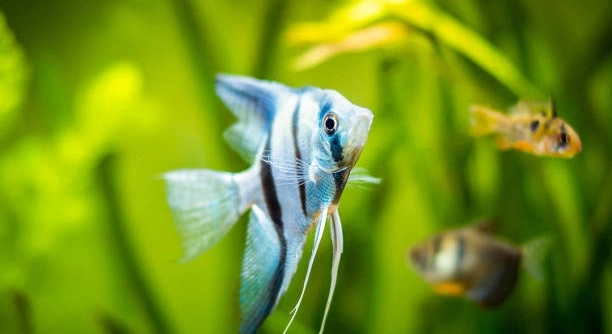
Are your angelfish hiding more than usual or showing signs of discomfort in their tank? These behaviors can be tied to stress. Learning how to prevent it may help your angelfish thrive in their aquarium.
The most effective techniques for keeping angelfish stress-free include maintaining stable water conditions, avoiding overcrowding, providing hiding spaces, minimizing sudden changes, offering a balanced diet, ensuring proper tank mates, and keeping a consistent daily routine.
These simple yet reliable methods can improve your angelfish’s comfort and overall well-being without overcomplicating tank maintenance.
Maintain Stable Water Conditions
Keeping the water clean and stable is one of the best things you can do for your angelfish. These fish are sensitive to fluctuations, especially in temperature, pH, and ammonia levels. To keep things balanced, check your tank parameters regularly using a test kit. Make sure the water temperature stays between 76°F and 82°F, and avoid sudden changes. Do weekly water changes of about 25% and always treat tap water with a dechlorinator before adding it. Dirty water or sudden shifts can easily stress angelfish, even if the changes seem small to you. It’s also helpful to invest in a quality filter that doesn’t create strong currents. Stable water supports their immune system and keeps their behavior calm and predictable.
Test strips are quick and easy, but using liquid test kits provides more accurate results and helps you catch changes early.
When conditions stay steady, your angelfish will behave more naturally, show better color, and be more active.
Avoid Overcrowding and Aggressive Tank Mates
Crowded tanks and aggressive fish are a common cause of stress in angelfish. Giving your fish room to move and relax makes a big difference.
Angelfish do best in taller tanks with plenty of swimming space. For a pair, 20 gallons is the minimum, but more space is always better. When choosing tank mates, go for peaceful species that won’t nip at fins or compete aggressively for food. Good companions include corydoras, tetras (larger ones like black skirts), and peaceful gouramis. Avoid fin-nippers like tiger barbs or fast swimmers that might startle your angelfish. If your fish are constantly chased or can’t retreat, it raises their stress levels and weakens their immune response. Adding too many fish can also lower water quality faster, even with regular maintenance. Give your angelfish a calm environment, and they’ll reward you with a relaxed presence and steady behavior. Spread decorations around to break up sightlines and prevent territorial behavior.
Provide Hiding Spots and Visual Barriers
Angelfish feel more secure when they have areas to retreat to. Plants, driftwood, and caves help reduce stress by offering a sense of shelter. Without these spots, your angelfish may become skittish, aggressive, or refuse to eat.
Adding tall plants or broad-leaved ones like Amazon swords gives angelfish vertical coverage, which they naturally prefer. Driftwood or rock formations with open spaces underneath also work well. These hiding places create visual breaks, allowing fish to avoid one another when needed. Even a few pieces in the right spots can change how relaxed they act. Don’t overcrowd the tank with decorations—leave room for swimming. Keep plants rooted and clean, and make sure any driftwood doesn’t lower pH too much. A well-decorated tank makes angelfish feel more in control of their surroundings and reduces signs of anxiety or aggression. Look for signs of comfort like steady swimming and active exploring.
Providing cover not only helps the fish calm down but also makes their colors look better. Fish that feel safe will show more vibrant shades and swim with ease. Try to keep things natural and avoid sharp or brightly colored decorations, which can sometimes have the opposite effect. Balance is key—calm spaces and swimming room.
Keep a Consistent Daily Routine
Angelfish thrive on a predictable schedule. Feeding, lighting, and even cleaning should follow a set pattern. This helps the fish feel settled and reduces the chance of stress from sudden changes or surprises.
Use a timer to manage your aquarium lights, keeping them on for about 10 to 12 hours a day. Sudden lighting changes can startle your angelfish, so having a steady light cycle makes a big difference. Feed your angelfish at the same time every day with a balanced diet. High-quality flakes or pellets, along with occasional treats like brine shrimp or bloodworms, will keep them healthy and happy. Try not to overfeed, as leftover food can hurt water quality. Stick to simple routines for tank maintenance as well—cleaning once a week at the same time helps create a steady rhythm your fish can adjust to. This predictability helps angelfish feel at ease.
By following a daily routine, angelfish learn what to expect, which makes them calmer and more responsive. You might even notice them coming to the front of the tank at feeding time once they’ve settled into the schedule. Avoid sudden disturbances like tapping on the glass or moving decorations around too often. Keep loud noises and strong lights near the tank to a minimum. When your fish can rely on their environment staying steady, they’ll interact more, stay active, and avoid the signs of stress that come from unpredictability.
Minimize Loud Sounds and Vibrations
Loud noises and constant vibrations can startle angelfish and make them feel unsafe. Try to place the tank away from speakers, TVs, and high-traffic areas. Keep the environment calm and avoid tapping on the glass.
Even footsteps or slamming doors near the tank can unsettle them. A peaceful space helps your angelfish stay calm and behave naturally.
Feed a Balanced and Varied Diet
A healthy diet keeps angelfish strong and less prone to stress-related issues. Feed them once or twice a day with high-quality flakes or pellets as a staple. Supplement with frozen or live treats like brine shrimp, bloodworms, and daphnia for variety. Avoid overfeeding and remove uneaten food to prevent water problems. Make sure each fish gets a fair share during feeding time. A poor diet or inconsistent feeding can weaken their immune system and make them more reactive to stress. Stick to a routine and offer foods that support both color and energy. Healthy angelfish are more likely to stay active and adjust to changes with ease.
Handle with Care During Tank Maintenance
Quick movements and sudden disturbances during cleaning can alarm your angelfish. Move slowly, and keep the process as gentle as possible. Use quiet equipment and avoid rearranging the tank too often.
FAQ
How can I tell if my angelfish is stressed?
Stressed angelfish often display certain behaviors like hiding, erratic swimming, loss of appetite, or frequent darting around the tank. They might also show signs of clamped fins, where their fins are held tightly against their body. Look for these behaviors, especially if your angelfish has recently experienced changes in their environment, like a new tank mate, water change, or temperature fluctuation. If they seem lethargic or their usual colors have faded, stress could be the cause.
What are the best tank mates for angelfish?
Angelfish do best with peaceful tank mates that aren’t too aggressive or fast-moving. Good companions include species like tetras (especially the larger varieties), peaceful gouramis, and corydoras catfish. Avoid keeping them with fin-nippers like tiger barbs or overly aggressive fish that could cause stress. Providing plenty of space and hiding spots for each fish will also reduce the chances of conflicts. It’s important to research the temperament of any species before introducing them to the tank.
Can angelfish live with other types of cichlids?
Yes, angelfish can live with other cichlids, but care should be taken to select species with similar temperament and size. Peaceful cichlids, such as discus or some types of dwarf cichlids, can work well, but larger, more territorial cichlids like oscars might pose a risk. If you keep multiple cichlids together, ensure there’s enough space and hiding spots to prevent territorial behavior from escalating. Always monitor interactions closely when introducing new tank mates.
How often should I clean the tank for my angelfish?
Tank maintenance is important for angelfish health. Perform partial water changes (about 25-30%) weekly to keep the water clean and stable. During these changes, clean the substrate using a gravel vacuum to remove waste buildup. You should also check and clean the filter regularly to prevent debris from accumulating. However, avoid over-cleaning or disturbing the tank too much as it can stress your angelfish. Maintaining water quality and cleanliness is key to preventing stress and keeping your fish happy.
What water temperature is best for angelfish?
Angelfish thrive in water that’s between 76°F and 82°F (24°C – 28°C). Temperatures that are too high or low can cause stress, which may affect their health and behavior. It’s essential to monitor the temperature regularly with a reliable thermometer, especially if there are fluctuations in your environment. Keeping the tank temperature stable helps reduce stress and supports the angelfish’s immune system, allowing them to live a long, healthy life.
Can angelfish live in a tank with live plants?
Yes, angelfish can live in a tank with live plants. In fact, plants are a great addition to their environment, providing hiding spots and helping maintain water quality. Choose hardy plants like Anubias, Java fern, or Amazon sword plants, which can tolerate the warm water temperatures that angelfish prefer. Avoid delicate plants that might be damaged by the angelfish or be too difficult to maintain. A well-planted tank not only reduces stress but also helps with the biological filtration of the water, creating a healthier environment for your fish.
Why is my angelfish not eating?
If your angelfish is not eating, it could be due to stress, poor water quality, or illness. Check the water parameters first to ensure they are within the right range, and make sure the tank is clean. Stress from sudden changes, such as new tank mates or a noisy environment, can also affect their appetite. If your fish is hiding, showing signs of disease, or exhibiting unusual behavior, it may be sick. Ensure you’re feeding them high-quality food, and try offering different types, like live or frozen food, to tempt their appetite.
How do I prevent my angelfish from becoming territorial?
Angelfish can become territorial, especially during breeding. To reduce territorial aggression, provide enough space for each fish, and ensure the tank is large enough for them to claim their own areas without conflict. Adding plants and decorations can help break up lines of sight, reducing territorial disputes. Avoid keeping too many males in a small space, as this can lead to fighting. If aggression persists, consider rearranging the tank’s layout to disrupt established territories.
How can I encourage my angelfish to breed?
If you want to encourage breeding, provide your angelfish with a stable, stress-free environment. A spacious tank with a consistent temperature and good water quality is essential. You can introduce a flat surface like a smooth rock or a broad-leaved plant for them to lay their eggs on. It’s also helpful to offer a varied diet, including live or frozen food, to promote healthy breeding conditions. Keep in mind that breeding can be challenging in a community tank, as other fish may disturb the process. To increase the chances of successful breeding, consider setting up a separate breeding tank.
Why is my angelfish turning black?
Angelfish can turn black due to stress, illness, or poor water quality. Stress-related blackening usually happens when there’s a sudden change in the environment, such as water parameter shifts, new tank mates, or overcrowding. If the fish has a fungal or bacterial infection, the black coloration may be a symptom of the disease. In some cases, angelfish may also develop dark coloration during the breeding process or if they are very young. Ensure the tank conditions are stable, and check for signs of illness like lesions, swelling, or unusual swimming patterns.
Final Thoughts
Keeping angelfish stress-free is essential for their well-being and happiness. Creating a calm, stable environment where they can thrive requires attention to factors like water quality, tank mates, and handling. These fish are naturally sensitive to changes in their surroundings, so consistency is key to avoiding stress. Ensuring that their needs are met, from feeding to providing hiding spots, helps prevent unnecessary anxiety and keeps them healthy.
Providing a peaceful space where angelfish can rest and feel secure will reduce the chances of them becoming stressed or ill. This means being mindful of things like sudden loud noises, strong currents, or overcrowded tanks. Keeping their habitat clean and maintaining proper water conditions are vital. Water temperature, pH, and ammonia levels must be monitored regularly to avoid stress caused by poor conditions. The right tank mates also play a big role, as adding overly aggressive or fast-moving fish could agitate your angelfish.
Ultimately, the key to a stress-free life for angelfish is maintaining balance. By paying attention to their behavior, offering a varied diet, and keeping their living conditions stable, you can ensure they live a long, healthy life. Reducing stress not only improves their quality of life but also makes them more active and vibrant, enhancing their beauty in your aquarium. Regular monitoring and thoughtful care will help keep your angelfish relaxed and thriving for years to come.

Hello,
If you enjoy the content that we create, please consider saying a "Thank You!" by leaving a tip.
Every little bit helps us continue crafting quality advice that supports the health, happiness, and well-being of pets around the world, for pets of all shapes, sizes, and species.
We really appreciate the kindness and support that you show us!