
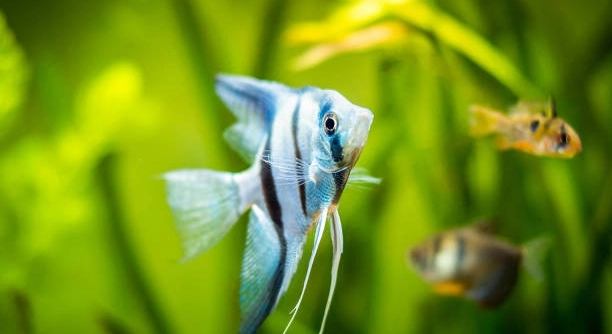
Waterborne parasites can be a common concern for angelfish tank owners. These parasites can cause stress and illness to your fish, affecting their health and tank environment. Keeping your tank clean and well-maintained is essential for prevention.
Reducing waterborne parasites in an angelfish tank involves maintaining water quality, regular cleaning, and implementing quarantine procedures for new fish. Proper filtration, temperature management, and avoiding overfeeding can also help prevent the spread of harmful parasites.
By following these simple steps, you can keep your tank healthier and your angelfish safer from parasites. Keep reading to discover the best methods to tackle these waterborne threats effectively.
Regular Water Changes
Keeping your tank clean is the easiest and most effective way to reduce the risk of waterborne parasites. Regular water changes help dilute harmful bacteria, parasites, and toxins that can build up over time. Changing 10-20% of the water every week will help maintain a healthy environment for your angelfish.
Water changes also prevent the accumulation of organic waste from uneaten food and fish waste, which are breeding grounds for parasites. It’s important to use water conditioners to remove chlorine or chloramine from tap water to avoid harming your fish.
Ensure that the water temperature and pH are consistent with your angelfish’s needs. Sudden shifts can stress the fish and make them more susceptible to illness. Additionally, keep an eye on ammonia, nitrite, and nitrate levels by using test kits regularly to check the water quality. These simple actions help maintain a clean tank and lower the risk of waterborne parasites.
Proper Filtration
The right filtration system is crucial for keeping your tank clean and healthy. A good filter removes debris, excess food, and harmful chemicals that can encourage parasite growth.
A powerful filtration system ensures the water circulates efficiently, preventing stagnant areas where parasites might thrive. It’s also necessary to clean the filter regularly to maintain its efficiency. When selecting a filter, choose one that matches your tank size and the needs of your fish. Clean filters not only help with water clarity but also keep harmful parasites at bay by trapping particles that could cause issues.
Quarantine New Fish
Before adding new angelfish or any other fish to your tank, it’s essential to quarantine them. This prevents introducing parasites or diseases that the new fish may be carrying. A separate quarantine tank will allow you to monitor their health for a few weeks.
Quarantining new fish for at least two weeks gives you enough time to observe their behavior and look for signs of parasites, such as unusual scratching, fin damage, or abnormal swimming. During this time, avoid adding any other fish to your main tank to reduce the risk of contamination.
If parasites are detected, treating them in the quarantine tank is much easier than treating your main tank. It’s better to be cautious and proactive to keep your angelfish tank safe. When you do finally introduce the new fish, make sure to do it slowly and monitor your tank closely for any changes in behavior or health.
Maintain Proper Temperature
Maintaining a stable water temperature is vital for your angelfish’s health and to reduce the risk of parasites. Angelfish thrive in temperatures between 76°F and 80°F (24°C to 27°C), so it’s crucial to keep the water within this range.
A sudden drop or rise in temperature can stress your fish and make them more susceptible to diseases and parasites. Using a reliable aquarium heater is a good way to maintain a consistent temperature, especially during colder months. It’s also helpful to use a thermometer to ensure that the temperature stays within the ideal range.
If the water temperature is too high, it can cause your fish stress and lead to other issues, such as oxygen depletion. Conversely, if it’s too low, your fish may become lethargic and more vulnerable to parasites. Regular monitoring and small adjustments when needed can help prevent these problems.
Avoid Overfeeding
Overfeeding is a common mistake that can lead to poor water quality and promote parasite growth. When you feed your angelfish more than they can consume in a few minutes, excess food breaks down into waste, which affects the tank environment.
By feeding smaller amounts of food at regular intervals, you reduce the chances of leftover food spoiling the water. This practice not only helps in keeping the water cleaner but also prevents the rapid buildup of harmful substances like ammonia, which can stress your fish and lead to parasite problems.
Use Natural Remedies
Some natural remedies can help treat and prevent parasites without harming your fish. Ingredients like garlic, copper, and herbal supplements have been shown to support your fish’s immune system, making them more resistant to diseases.
Using garlic in your angelfish’s diet is a natural way to boost their health and immune response. You can crush fresh garlic and mix it with the food or purchase garlic-infused supplements for fish. Garlic contains compounds that have anti-parasitic effects and can help prevent infections.
Regularly Clean Decorations and Substrate
Cleaning the tank’s decorations and substrate is important because they can trap uneaten food, fish waste, and parasites. Removing any debris from the tank helps reduce the risk of parasite outbreaks.
Use a siphon to clean the substrate during water changes. Scrub decorations with a soft brush and rinse them in tank water. Avoid using soap, as it can harm your fish. Clean equipment and decorations regularly to ensure they don’t become a breeding ground for harmful parasites.
FAQ
What are the signs of waterborne parasites in angelfish?
Waterborne parasites can cause a variety of symptoms in your angelfish. Look for signs such as unusual scratching or rubbing against objects in the tank, lethargy, abnormal swimming patterns, or faded colors. Infected fish may also show visible lesions or white spots on their skin or fins, which are common symptoms of parasites like ich. In some cases, you might notice rapid gill movement or labored breathing. If you observe any of these signs, it’s essential to take action quickly to prevent the spread of the parasites to other fish in the tank.
How do I prevent waterborne parasites from spreading to my other fish?
To prevent waterborne parasites from spreading, it’s crucial to maintain quarantine procedures for new fish. If any fish in your tank shows symptoms of parasites, immediately isolate them in a separate tank to reduce the risk of contamination. Keeping your tank clean, performing regular water changes, and maintaining proper filtration will help limit the spread of parasites. Be sure to check all fish for signs of illness regularly and treat them promptly if any issues arise.
Can I treat parasites with aquarium salt?
Aquarium salt can be effective in treating some types of parasites, especially external ones like ich. It works by promoting osmoregulation and helping to remove parasites from your fish’s skin and gills. However, it’s essential to use salt carefully and not exceed recommended doses, as too much can harm your angelfish. Always dissolve the salt in water before adding it to your tank, and be sure to follow the instructions on the packaging. If you’re unsure, it’s best to consult with a veterinarian or aquarium specialist to ensure the correct treatment.
How often should I clean my angelfish tank?
Regular maintenance is key to a healthy tank. You should aim to clean your angelfish tank at least once a week by performing partial water changes of 10-20%. In addition to water changes, you should clean the substrate and decorations every few weeks, using a siphon to remove debris from the bottom. Filters also need to be cleaned regularly to ensure proper filtration and prevent the buildup of waste, which can attract parasites. However, avoid over-cleaning, as this can disrupt the beneficial bacteria in the tank.
Is there a way to naturally prevent parasites in my angelfish tank?
Yes, there are several natural ways to help prevent parasites. Maintaining a balanced tank with proper water quality, regular water changes, and clean decorations is essential. Adding natural remedies such as garlic to your fish’s diet can boost their immune system, making them more resistant to parasites. Plants in the tank can also help by improving water quality and providing hiding places for your fish. Additionally, avoiding overfeeding and reducing stress in the tank will help your angelfish stay healthy and less susceptible to parasites.
How do I treat my angelfish for parasites?
If your angelfish is infected with parasites, the first step is to identify the type of parasite. For common issues like ich, medications specifically designed to treat that parasite are available. You can also use salt treatment for external parasites, as mentioned earlier. If you’re unsure about the type of parasite or the best treatment method, it’s best to consult with an aquarium professional. Always follow the treatment instructions carefully, and be patient, as some treatments can take time to be effective. Isolating infected fish in a quarantine tank will help prevent the spread of the parasite to other fish.
Should I treat the entire tank or just the infected fish?
When treating parasites, it depends on the situation. If only one fish shows signs of infection, it’s often best to isolate it in a quarantine tank to prevent the spread of the parasite to the rest of your fish. However, if multiple fish are showing symptoms or if the parasite is widespread, you may need to treat the entire tank. Always ensure the treatment you use is safe for all your fish and follow the instructions carefully to avoid harming your tank’s ecosystem.
What is the best temperature for angelfish to prevent parasites?
Angelfish prefer water temperatures between 76°F and 80°F (24°C to 27°C). Keeping the water within this range can help prevent the growth of many parasites. However, it’s important to avoid drastic fluctuations in temperature, as sudden changes can stress your fish and make them more susceptible to parasites. Some parasites, like ich, thrive in cooler water, so maintaining a stable, warm environment helps keep these organisms at bay. A reliable aquarium heater and thermometer are necessary tools to ensure that the water temperature stays consistent.
Can parasites come from live plants or decorations?
Yes, parasites can be introduced into your tank through live plants, decorations, or even new fish. To reduce the risk of introducing parasites from plants or decorations, always quarantine new items before adding them to your tank. You can also treat plants by soaking them in a potassium permanganate solution or gently rinsing them in aquarium water before introduction. Decorations should be thoroughly cleaned, and it’s a good idea to boil any new items before adding them to the tank. Regularly cleaning and inspecting these items can help prevent parasites from taking hold.
How can I tell if my angelfish is stressed?
Stress in angelfish can make them more susceptible to parasites and other diseases. Signs of stress include erratic swimming, hiding more than usual, loss of appetite, or sudden aggression. If your angelfish is rubbing against tank surfaces or exhibiting abnormal behavior, it could be a sign of stress or illness. Stress can be caused by poor water quality, overcrowding, inadequate temperature, or aggressive tank mates. Identifying and addressing the cause of stress is crucial to keeping your fish healthy and preventing the spread of parasites.
Final Thoughts
Taking care of an angelfish tank requires more than just feeding your fish and maintaining the water. To ensure your angelfish stay healthy and parasite-free, regular maintenance is essential. By performing water changes, cleaning the tank, and using the right filtration system, you can significantly reduce the chances of parasites taking hold in your tank. Water quality directly impacts the health of your fish, so it’s crucial to stay on top of these tasks. Remember, a clean environment means fewer chances for parasites to thrive.
Quarantining new fish before introducing them to your tank is another important step in protecting your angelfish. Even if you trust your supplier or pet store, new fish can still carry parasites that might not show symptoms right away. By giving them time in a separate quarantine tank, you not only prevent parasites from spreading but also ensure that any potential diseases are treated early. This precaution could save you from future headaches and unnecessary treatments.
Finally, while natural remedies can be a helpful addition to your tank care routine, they are not always enough on their own. It’s important to keep in mind that maintaining proper tank conditions and managing the overall health of your fish is your first line of defense against parasites. This includes keeping your tank stress-free, avoiding overfeeding, and making sure the temperature remains consistent. Regularly checking your fish for signs of illness or distress, and acting quickly if needed, can make all the difference in maintaining a healthy, parasite-free tank.

Hello,
If you enjoy the content that we create, please consider saying a "Thank You!" by leaving a tip.
Every little bit helps us continue crafting quality advice that supports the health, happiness, and well-being of pets around the world, for pets of all shapes, sizes, and species.
We really appreciate the kindness and support that you show us!