
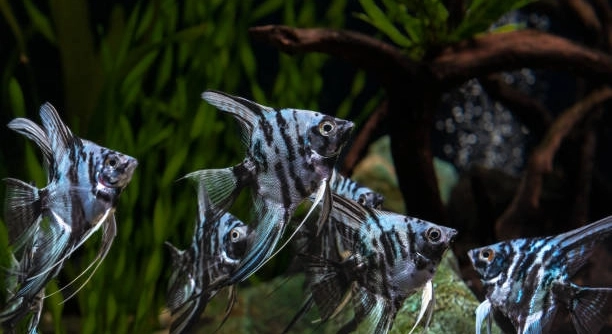
Angelfish are fascinating creatures, often captivating their owners with their unique behaviors. One such behavior is their tendency to observe you closely. If you’ve noticed your angelfish watching you, you may wonder why.
Angelfish often observe their owners as part of their natural curiosity and intelligence. They may be trying to understand their environment and recognize you as a source of food, comfort, or even companionship.
The reasons behind this behavior can range from curiosity to bonding. Keep reading to explore some possible explanations for why your angelfish seems to be observing you so intently.
Angelfish Are Naturally Curious Creatures
Angelfish are naturally curious and intelligent fish. This curiosity often leads them to observe their surroundings and the people around them. They may spend time watching you to learn more about their environment and the routines in it. Their bright eyes and attentive stares could indicate they are studying your movements. In the wild, angelfish are always alert to any changes in their environment, and your presence may trigger this instinct.
When your angelfish stares at you, it might be evaluating you as part of their everyday life. In their natural habitat, these fish often have to watch their surroundings for potential threats or changes. In captivity, they might direct that attention toward you because you are a consistent figure in their environment. Over time, they can begin to associate you with feeding times, creating a sense of trust.
Their behavior is not just about observing but also about gathering information. This curiosity could help them understand when you might approach with food or interact with them. Understanding this behavior will help you see just how aware your angelfish is of its surroundings.
Bonding Through Observation
Your angelfish might also be observing you as a form of bonding.
When your fish watches you, it could be forming a connection and feeling more comfortable with you. This interaction shows that your presence is familiar and safe to them. Over time, some fish even begin to recognize their owners and follow them around the tank. This behavior may not only be driven by curiosity but also by a desire to be near you.
A bonded angelfish may learn your routines and anticipate certain actions. They might swim closer to you when they see you approaching, signaling they recognize you as part of their daily life. While this is not an emotional bond in the same way pets like dogs form, it is a sign of trust and familiarity. If you consistently feed them at the same times or interact with them, the fish may associate you with a positive experience, making their observation feel more personal.
Food Recognition and Feeding Time
Angelfish often observe their owners in anticipation of feeding time.
As creatures of habit, they quickly learn the routines surrounding food. Your angelfish may associate your presence with the possibility of a meal. They might focus on you because they know you will provide food, leading them to watch you closely. This behavior can become more pronounced if you feed them at regular times.
Over time, they can start recognizing you as the source of their meals. When you approach the tank, they may swim to the front, ready and waiting. Their focus might become even more intense as they learn to expect food from you. This behavior not only shows their curiosity but also their ability to predict and react to regular patterns. If you change your routine, the angelfish might look at you with even more intensity, possibly out of confusion or curiosity about what will happen next. This attention is simply their way of ensuring they don’t miss out on a meal.
Environmental Interaction
Angelfish are highly responsive to changes in their environment.
Any new addition to the tank or even subtle changes in water quality can cause them to observe their surroundings more carefully. These fish are sensitive to shifts in their environment, and they might focus on you if they notice you’re interacting with the tank. Whether you’re cleaning, rearranging decorations, or adding new plants, the angelfish may be watching to see how these changes will affect them. They rely on their observations to adjust to their surroundings.
When they see you interacting with their habitat, they might be trying to figure out how it will impact their territory. For example, if you move a plant, they may become curious to see how the new setup changes their space. The more you interact with the tank, the more their attention may shift to you, as they are trying to make sense of what’s happening in their environment. While their main interest may be in the changes, it can also create an ongoing habit of observing you during these interactions.
Territory and Safety
Angelfish may observe you to monitor their territory and ensure it’s safe.
As territorial creatures, angelfish become more alert when they sense potential threats. When you approach their tank, they might watch you closely to assess your movements. This behavior can be a sign of their instinct to protect their space from any intruders.
Observation for Threats
They may be sizing you up to determine if you pose a risk to their environment.
This heightened attention is part of their survival instinct. They rely on visual cues to gauge any threats or changes. By observing you closely, they are more likely to respond appropriately to any potential danger. Whether it’s your movements or any shifts in their surroundings, their watchful gaze helps them feel in control of their space.
Social Behavior with Other Fish
Angelfish are social and observe each other, which could explain their interest in watching you.
They interact with other fish and pay attention to their movements. Their curiosity can extend to you, as they recognize you as part of their social environment. This behavior allows them to observe the patterns in their tank and learn how different elements interact with one another.
FAQ
Why does my angelfish follow me around the tank?
Angelfish may follow you around the tank because they have learned to associate you with feeding time. They quickly recognize that when you’re near, food might be coming their way. Over time, they may begin to swim along with you as you move around the tank, anticipating the next meal. This behavior is common in many fish that become accustomed to their owners and the feeding schedule. Following you can also be a sign that your angelfish feels safe and familiar with you in its environment.
Do angelfish recognize their owners?
Yes, angelfish can recognize their owners. They have excellent memory and can associate certain actions, like feeding, with your presence. If you consistently feed them at the same time or interact with them regularly, they begin to remember you. Over time, they can distinguish your movements from others and respond by swimming toward you or observing you closely. This recognition doesn’t mean they have the same emotional attachment that dogs do, but they certainly see you as a part of their daily routine.
Can angelfish get lonely?
Angelfish are social creatures but are not particularly prone to loneliness in the same way that other pets might be. They can thrive in the presence of other fish, but they don’t require constant interaction from humans to feel content. However, if kept alone for long periods, they may become more active in observing their environment, including you, because they lack companionship. Having another angelfish or tank mates can provide some level of social interaction, which can reduce boredom and promote a healthier environment for them.
Why do angelfish stare at me?
Angelfish stare at you because they are curious creatures. They often observe their surroundings closely, and this includes you. This behavior may stem from their natural instinct to learn about their environment. Angelfish are intelligent, and their staring may be a way for them to gather information about the routine of their tank or to see if you will provide food. It can also be a sign of them feeling comfortable with you in their space, as they’ve learned to associate you with positive experiences like feeding.
Do angelfish have good eyesight?
Yes, angelfish have good eyesight. They rely on their vision to navigate through their environment, especially in murky waters. Their eyes allow them to detect food, potential threats, and other fish in the tank. When they focus on you, it’s likely because they can clearly see you, and their attention may be directed toward your movements. Their vision also helps them spot changes in their environment, which is why they may seem extra observant when you interact with their tank.
Why does my angelfish swim in circles around me?
Swimming in circles around you may be a sign that your angelfish is trying to engage with you or is simply curious about your presence. This behavior could also be linked to anticipation, especially if they associate you with feeding times. Angelfish, like many other fish, can develop a routine around their feeding times and the movements of their owners. Circling you might be an instinctive response to show excitement or curiosity. It’s their way of communicating their awareness of your presence.
Do angelfish get stressed when I approach the tank?
Angelfish can become stressed if there are sudden movements or disturbances around their tank. However, they are typically not as easily stressed as some other fish species. If you approach the tank calmly and consistently, they will likely grow accustomed to your presence. It’s important to maintain a stable and quiet environment around them, as loud noises, rapid movements, or unexpected changes can make them anxious. If they seem to become stressed, try to reduce any sudden changes and allow them time to adjust.
How can I tell if my angelfish is happy?
A happy angelfish will display active and healthy behaviors. It will swim freely, showing no signs of lethargy or abnormal swimming patterns. The fish will also exhibit good coloration, and its fins will be spread out comfortably. If your angelfish is swimming around the tank, interacting with its environment, and coming to the front of the tank when you approach, it’s likely content. A happy angelfish is curious and alert but not overly skittish or hiding. Keep an eye on its behavior and physical health to ensure everything is in check.
Do angelfish need a lot of space?
Yes, angelfish require ample space to thrive. They can grow quite large, and a cramped tank can cause stress or hinder their development. It’s recommended to have a tank that’s at least 30 gallons for a pair of angelfish, with extra space if you plan to keep more fish in the same tank. Proper space allows them to swim freely, which is essential for their health. Overcrowding can lead to aggression, stress, and poor water quality, so providing them with a spacious environment is crucial for their well-being.
How do angelfish communicate with each other?
Angelfish communicate through body language and subtle movements. They might display aggression or courtship behaviors, such as chasing each other or performing a special “dance” where they swim in synchronized patterns. These behaviors are often linked to territory, mating rituals, or dominance within the tank. They may also communicate through the positioning of their fins or by showing certain postures. If one angelfish feels threatened, it might retreat or display defensive behaviors, while a peaceful or bonded pair may swim near each other.
Can angelfish be kept with other fish?
Yes, angelfish can live with other fish, but it’s important to choose compatible tank mates. They tend to do well with peaceful fish that are not too small or aggressive. Some good tank mates include other non-aggressive species like tetras, gouramis, or peaceful catfish. Avoid keeping them with fin-nipping fish or overly aggressive species, as this can lead to stress and injury. When introducing new fish, make sure to monitor their interactions to ensure that they get along well. Angelfish, when kept with suitable tank mates, will coexist peacefully and thrive in a community setting.
Final Thoughts
Angelfish are intriguing creatures with unique behaviors, and their tendency to observe you closely is just one example of how they interact with their environment. This behavior can stem from several factors, such as curiosity, bonding, or recognizing you as a source of food. Understanding the reasons behind their attention will help you appreciate these fascinating fish more. While it’s common for them to follow or watch you, it’s also important to remember that their actions are tied to their natural instincts, which are focused on understanding and adapting to their surroundings.
In many cases, your angelfish may be showing interest in you because they’ve become familiar with your routine. They may recognize your movements and anticipate feeding times, which is why they often seem to be waiting for you. This behavior isn’t necessarily a sign of affection like you might see in a pet dog, but it’s a form of recognition and comfort. As they grow accustomed to their environment, they will begin to connect you with positive experiences like food, and in turn, their attention may feel more personal. With consistent routines, they are likely to continue this behavior.
At the end of the day, angelfish are intelligent and social animals that learn from their experiences. By observing their surroundings, including you, they’re simply gathering information and responding to what they know. Whether they’re watching you out of curiosity, bonding, or ensuring their territory is safe, these behaviors add to their charm as pets. Just remember that while they might seem like they’re keeping an eye on you, they’re really just doing what comes naturally to them in a world full of sights and sounds they’re constantly processing.

Hello,
If you enjoy the content that we create, please consider saying a "Thank You!" by leaving a tip.
Every little bit helps us continue crafting quality advice that supports the health, happiness, and well-being of pets around the world, for pets of all shapes, sizes, and species.
We really appreciate the kindness and support that you show us!