
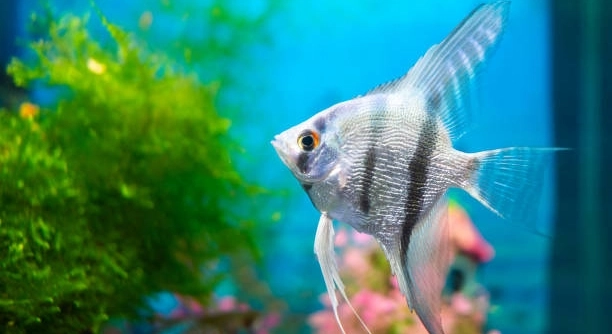
Angelfish darting to the surface can be an alarming sight for any aquarium owner. This behavior may seem unusual, but there are a variety of reasons behind it. Understanding these causes can help you address the issue.
Angelfish often dart to the surface due to a variety of factors such as poor water quality, inadequate oxygen levels, stress, or hunger. It may also indicate an underlying health issue, such as parasites or swim bladder disease, which requires attention.
Identifying the root cause is crucial for the well-being of your angelfish. Addressing water quality, diet, and stressors can significantly improve their behavior.
Poor Water Quality
Water quality is one of the most common reasons for angelfish darting to the surface. If your tank’s water has high levels of ammonia, nitrites, or nitrates, your angelfish may be trying to escape the discomfort. Polluted water can cause respiratory issues, leading fish to swim toward the surface where the oxygen concentration is higher. Regular water changes and testing water parameters can help maintain a healthier environment. If the water’s pH or temperature is off, it can also contribute to stress, causing the angelfish to act erratically.
Poor water quality can lead to long-term health problems if left unchecked. Maintaining a stable tank with clean water helps keep your angelfish comfortable. Make sure to use a good filtration system to avoid water stagnation. Check the water regularly for harmful levels of chemicals and perform water changes as needed.
Investing in a water test kit is a small step that can prevent big issues for your angelfish. Monitoring temperature and pH stability is also key to their well-being. Addressing these water-related problems early ensures the fish stay healthy and comfortable.
Inadequate Oxygen Levels
Oxygen levels are another critical factor that influences angelfish behavior. If there isn’t enough dissolved oxygen in the tank, your fish may dart to the surface, where they can access more oxygen. This is especially common in tanks with overcrowding or poor water circulation.
Low oxygen levels can stress fish, impairing their natural swimming and feeding behavior. Improving aeration through air pumps or adjusting the water flow can help. Adding live plants also boosts oxygen levels while creating a more natural environment for your fish.
Stress
Stress can make angelfish swim erratically or dart to the surface. Factors like sudden changes in the tank environment, overcrowding, or aggressive tankmates can cause them distress. Stress weakens their immune system, making them more vulnerable to diseases.
A new tank, changes in light, or loud noises near the aquarium can all contribute to the stress. To help reduce this, provide hiding spots in the tank and keep the environment stable. Also, monitor interactions between fish to ensure no one is bullying the angelfish. Consistency in care will help them feel more secure.
If you notice aggressive tankmates causing the stress, consider rehoming them. Overcrowding also needs to be addressed by either reducing the number of fish or upgrading the tank size. Stress relief will bring calmer behavior in your angelfish.
Hunger
Hunger is another reason why your angelfish may dart to the surface. If they are not getting enough food or are being outcompeted by other fish, they will swim frantically looking for food. Angelfish are relatively calm feeders, but they will become more desperate when they don’t get enough.
Ensure your angelfish are being fed enough food. Overfeeding can cause water quality issues, but underfeeding leads to malnutrition. Consider feeding smaller amounts multiple times a day, so your fish don’t go hungry. Also, observe your fish during feeding times to ensure they aren’t being bullied or pushed away.
A proper diet is key to keeping your angelfish healthy. High-quality flakes, pellets, or frozen food should meet their nutritional needs. A varied diet with occasional treats like bloodworms or brine shrimp can also keep them satisfied and active.
Swim Bladder Disease
Swim bladder disease can cause your angelfish to swim erratically, often darting to the surface. This condition affects the fish’s buoyancy, causing them to struggle with staying balanced. It may lead to abnormal swimming patterns, including sudden, jerky movements.
The most common causes of swim bladder disease include constipation, bacterial infections, or physical injury. Treatment often involves adjusting their diet to include foods that help relieve constipation, such as peas. In severe cases, medication may be necessary, or adjusting water temperature might help ease the condition. If left untreated, it can worsen, so early intervention is key.
Parasites
Parasites can also make your angelfish dart to the surface. External parasites, like Ich or flukes, irritate their skin and gills, causing discomfort and erratic behavior. Infected fish may try to escape the irritation by swimming rapidly toward the surface.
Identifying and treating parasites early is important to prevent further damage. Special medicated treatments for parasites are available, and it’s important to isolate infected fish to prevent spreading the issue to others in the tank. Proper water quality and tank maintenance can also help minimize the risk of parasites.
FAQ
Why is my angelfish darting to the surface?
Angelfish may dart to the surface due to poor water quality, low oxygen levels, stress, hunger, swim bladder disease, or parasites. Ensuring clean water, proper aeration, a balanced diet, and a stress-free environment can help address these issues. Monitoring tank conditions and fish behavior regularly is essential.
How can I improve water quality for my angelfish?
To improve water quality, perform regular water changes, test the water for ammonia, nitrites, nitrates, and pH levels, and adjust them as needed. Use a reliable filtration system to remove debris and harmful substances. Clean the tank and its decorations regularly to avoid buildup. Keeping water clean is essential for the health of your fish.
What should I do if my angelfish are stressed?
If your angelfish are stressed, consider adjusting the tank environment. Add hiding spots using plants or decorations to make them feel secure. Keep the tank away from high-traffic areas and reduce noise around it. Ensure your fish are not overcrowded and that there are no aggressive tankmates. Stability is key to reducing stress.
How do I know if my angelfish is hungry?
If your angelfish is hungry, it may swim frantically to the surface or near the tank glass when it sees you. A hungry fish may also appear lethargic if it’s not getting enough food. Ensure you are feeding your fish a balanced diet and adjust feeding schedules as necessary.
Can swim bladder disease be treated?
Yes, swim bladder disease can be treated. The first step is to examine the fish’s diet, as constipation is a common cause. Offering peas or adjusting their diet can help. In some cases, medications may be required to treat underlying infections. Adjusting the tank’s water temperature can also provide relief.
How often should I feed my angelfish?
You should feed your angelfish two to three times a day with small portions to avoid overfeeding. Ensure the food is consumed within a few minutes to prevent excess food from polluting the water. Vary their diet with high-quality flakes, pellets, and occasional live or frozen foods.
What causes parasites in my tank?
Parasites can be introduced into your tank through infected fish, plants, or water. Poor water quality, overcrowding, and stressed fish can make them more susceptible to parasites. Regular quarantine of new fish, proper tank maintenance, and monitoring water quality are essential for preventing parasites from spreading.
Is it safe to add new fish to a tank with darting angelfish?
It’s not recommended to add new fish to a tank with darting angelfish until the underlying issue is addressed. Adding new fish may increase stress levels or introduce new parasites. Wait until the tank environment is stable, and the angelfish’s behavior improves before introducing new fish.
Can I treat my angelfish without removing them from the tank?
In most cases, you can treat your angelfish without removing them from the tank. For mild issues like constipation, adjusting the diet may be enough. For more serious conditions, such as parasites or swim bladder disease, using medications in the main tank is possible, but follow the instructions carefully. Always monitor the fish’s progress closely.
How can I reduce oxygen levels in my tank?
To reduce oxygen levels, consider adjusting the aeration system, such as reducing the flow rate of air pumps or filters. Avoid excessive aeration, as it can disturb your fish. Ensure that the water temperature is stable, as higher temperatures can lower dissolved oxygen. However, most tanks do better with higher oxygen levels.
Final Thoughts
Angelfish are beautiful and peaceful creatures, but their behavior can sometimes be confusing. If your angelfish is darting to the surface, it’s important to consider the possible causes. Issues like poor water quality, low oxygen levels, stress, hunger, or even health problems such as swim bladder disease or parasites can all lead to this behavior. Identifying the root cause is the first step toward resolving it and ensuring your fish remain healthy.
Maintaining a clean tank with stable water conditions is key. Regular water testing, water changes, and proper filtration can prevent many of the issues that lead to darting behavior. Adding plants and decorations provides hiding spots for the fish, reducing stress. Also, ensuring your fish are not overcrowded and have appropriate tankmates can help minimize aggression, which can be a major source of stress. If your fish are hungry, adjust your feeding schedule and provide the right type of food to ensure they are getting enough nutrition.
Lastly, paying attention to your angelfish’s behavior will help you spot any health problems early. If you notice symptoms like erratic swimming, bloating, or signs of illness, acting quickly can prevent further issues. If swim bladder disease or parasites are suspected, there are treatments available. By creating a stable, stress-free environment, and addressing any potential health problems promptly, you can ensure that your angelfish remain happy and healthy. Regular observation and care are essential to keeping your aquarium thriving.

Hello,
If you enjoy the content that we create, please consider saying a "Thank You!" by leaving a tip.
Every little bit helps us continue crafting quality advice that supports the health, happiness, and well-being of pets around the world, for pets of all shapes, sizes, and species.
We really appreciate the kindness and support that you show us!