
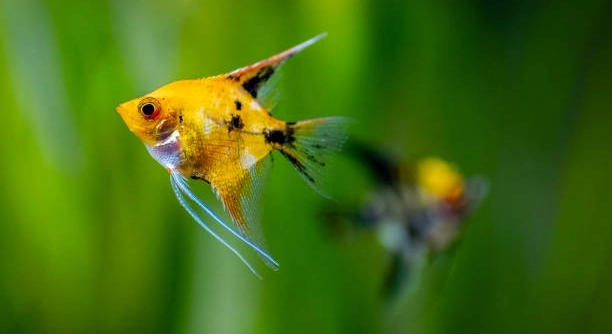
Do you ever feel like your angelfish no longer respond to you the way they used to, even after months of care?
Angelfish may not recognize their owners due to factors such as limited socialization, tank stress, or poor water quality. These conditions can affect memory, responsiveness, and general behavior, leading to a lack of recognition over time.
Small changes in their environment or care routine might be all it takes to help your angelfish become more responsive again.
Your Angelfish Has Limited Memory Capacity
Angelfish do not have strong long-term memory like some pets. While they can associate feeding times with your presence, this recognition may fade if routines change. Inconsistent schedules or long gaps between interactions can weaken their familiarity with you. These fish rely more on environmental cues than faces or voices. If your angelfish used to react to you and no longer does, it may simply have forgotten the pattern. Regular, short interactions help reinforce memory. Keep feeding and tank cleaning consistent to support recognition. Avoid loud noises or sudden changes in the room, as these disruptions can interfere with learning and memory. Over time, reliable routines allow the angelfish to form simple associations that look like recognition. However, it’s important to understand that this is limited and based on repetition, not emotional attachment. If you’re hoping for the same recognition as a dog or cat, expectations may need to be adjusted.
This behavior is natural and not a sign that something is wrong with your fish.
Even with regular care, an angelfish may forget interactions if there’s no clear pattern or reward associated with your presence.
Stress Is Affecting Their Behavior
Stress is one of the most common reasons angelfish seem distant or unresponsive.
When fish are exposed to poor water conditions, tank aggression, or excessive light, they begin to behave differently. A stressed angelfish may hide more, stop responding to movement near the tank, or swim erratically. These behaviors are not always obvious at first. You may simply think your angelfish is ignoring you. Water quality is one of the first things to check—elevated ammonia or nitrite levels can impact behavior within hours. Uneven temperatures or lack of hiding spots also contribute to long-term stress. If you’ve added new tank mates or made recent changes, those may be influencing your angelfish’s comfort and willingness to interact. Stressed fish are more focused on survival than interaction, and until the environment feels safe again, their behavior will reflect that. Addressing these factors can help your angelfish feel secure, which may gradually bring back familiar responses when you approach the tank.
Your Tank Setup Lacks Visual Stability
Angelfish rely on a stable environment to feel comfortable. Constant rearrangement of decorations or plants can confuse them and interrupt any familiarity they may have developed with their surroundings or you.
In tanks where objects are moved often, angelfish may feel disoriented. Visual stability helps them form basic associations, including recognizing patterns related to feeding and interaction. If your tank decorations, lighting, or even placement of external objects frequently change, it can disrupt their sense of routine. Fish may begin to hide more, stay still, or ignore movement outside the tank. Even the angle of the light or the shadows around them may influence behavior. Keeping a consistent environment reduces anxiety and supports simple recognition patterns. Keep décor changes minimal and gradual if needed. This allows your angelfish to feel secure and more likely to resume regular interaction.
A consistent tank layout helps your angelfish associate you with positive experiences, like feeding time. If changes occur too often, recognition behaviors may fade. Tank stability reinforces memory, and familiarity helps the fish respond more to your presence. Stick to one layout and give them time to adapt. Over time, you’ll likely notice more responsiveness as they become more comfortable again.
Poor Lighting or Glare Is Confusing Them
Lighting plays a major role in how your angelfish sees you. Too much glare or inconsistent lighting can make it hard for them to recognize movement near the tank.
If strong lights reflect off the tank glass, your angelfish might see distorted shapes or reflections instead of clear movement. This can lead to confusion or even avoidance. Sudden lighting changes—especially bright overhead lights turning on or off—can startle them and discourage interaction. Inconsistent lighting patterns throughout the day also interfere with their natural rhythm. Use soft, consistent lighting and avoid placing the tank near windows with changing sunlight. Consider adjusting the room lighting before walking near the tank to minimize sudden contrast. Angelfish are more likely to respond if they can clearly see you, without harsh reflections or shadows disrupting their view.
Even if your care routine is solid, lighting issues can make your angelfish seem withdrawn. Position the tank away from direct sunlight and avoid using strong spotlights nearby. A regular day-night lighting cycle helps regulate their activity and behavior. If lights are too bright or inconsistent, it creates stress and confusion. Try using a soft aquarium light with a timer for stability. This supports a calm, consistent environment and makes recognition more likely.
You’re Not Near the Tank Often Enough
Angelfish can form basic associations through repetition. If you aren’t regularly near the tank, they may not connect your presence with feeding or safety, causing them to lose interest or not respond to you.
Daily interaction helps reinforce recognition. Walking past the tank, feeding at the same times, and maintaining quiet routines can all build familiarity. Without consistent presence, your angelfish may treat you like any other background movement in the room.
You’ve Added or Removed Tank Mates
Changes in tank mates can shift the social dynamic in the aquarium. Introducing new fish or removing familiar ones may create tension or insecurity in your angelfish. When this happens, they may hide more, behave unpredictably, or stop reacting to you altogether. Social changes can distract them or trigger territorial stress. This shift in attention can reduce their interest in external interaction. Restoring a peaceful tank environment helps bring back calmer behavior. Maintain compatibility among fish and avoid crowding. If your angelfish seems withdrawn after a change, give them time to adjust before expecting the same responses as before.
They’re Simply Not in the Mood
Angelfish have off days too. Illness, aging, or temporary changes in mood can affect how they respond. Just like people, they may occasionally prefer space or quiet.
FAQ
Why is my angelfish swimming in circles and ignoring me?
Swimming in circles can be a sign of stress or discomfort. This behavior often occurs when the fish feel unsettled due to poor water conditions, lack of space, or incompatible tank mates. If your angelfish is also ignoring you, it might be because it is more focused on its environment than forming associations with you. Ensure the water parameters are ideal, the tank is clean, and your angelfish has enough space to move. If stress persists, consider checking for signs of illness, as certain diseases can cause erratic swimming behavior.
How do I get my angelfish to recognize me again?
To help your angelfish recognize you again, consistency is key. Regular feeding, cleaning routines, and gentle interaction are essential for building recognition. If you’ve made changes to the tank or care routine, try to re-establish a stable, calm environment. Approach the tank slowly and at the same times each day to allow the fish to form associations with your presence. Over time, your angelfish may begin to swim toward you, recognizing that you are the source of food and care.
What can I do if my angelfish is hiding all the time?
Constant hiding may indicate stress, illness, or discomfort in the tank. Check the water quality, temperature, and the overall environment for signs of stress. Overcrowding, aggressive tank mates, or improper water conditions could be triggering this behavior. Ensure your tank has enough hiding spots for the fish to feel safe, but also provide enough open space for them to swim freely. If hiding persists, it may be worth isolating the angelfish to monitor for potential illness or injury.
Is it possible for my angelfish to forget me?
Angelfish have short-term memory and are more likely to remember routines or patterns rather than individuals. If you haven’t interacted with your angelfish for a while, it might not recognize you immediately. They are more responsive when regular feeding and tank care schedules are followed. However, they do not form strong emotional bonds like some other pets, so it’s not a matter of forgetting but rather a lack of consistency in interaction.
How can I reduce stress in my angelfish?
To reduce stress, start by checking the water parameters. Ensure the tank has a stable temperature, proper filtration, and a pH level suitable for angelfish. Avoid overcrowding the tank, and be mindful of any aggressive tank mates. Provide plenty of hiding spots, but also leave open space for swimming. Keep the tank environment calm and consistent, as sudden changes in lighting or decoration can cause anxiety. If your angelfish seems stressed, minimize sudden movements near the tank, and maintain a quiet atmosphere.
Can angelfish recognize their owners?
Angelfish have the ability to associate their owners with food or other routines, but they do not recognize individuals in the same way mammals do. They may swim toward you if you approach the tank consistently at feeding times. However, they are not likely to recognize you as a “person” but more as a source of food and care. The bond is based on routine and familiarity, not emotional attachment.
What are signs that my angelfish is unhealthy?
Signs of an unhealthy angelfish include lack of appetite, unusual swimming behavior, discolored or torn fins, and white spots or lesions on the body. If your angelfish is ignoring you or hiding more than usual, it could be a sign of illness. Changes in their swimming patterns or appearance may indicate stress, poor water quality, or disease. Always monitor the water quality and perform regular checks to keep your fish healthy. If signs of illness persist, consider consulting an aquatic veterinarian or treating the tank with appropriate medications.
Can my angelfish feel stressed from too much interaction?
Yes, excessive interaction can cause stress for angelfish, especially if it disrupts their routine. Fish are sensitive to movement, noise, and changes in their environment. While brief, consistent interactions are fine, constantly tapping on the glass or making sudden movements can cause anxiety. If your angelfish seems to hide or become erratic after you approach the tank, reduce interaction and allow them more time to feel safe. Always approach the tank slowly and calmly to avoid startling the fish.
Why is my angelfish not eating?
A lack of appetite in angelfish can be due to several factors, including stress, poor water quality, illness, or changes in their diet. If you’ve recently introduced new tank mates, your angelfish may be avoiding food due to competition or territorial behavior. Ensure the water is clean and at the right temperature, and make sure to offer a variety of food that suits their preferences. If your angelfish continues to refuse food, consider isolating it to monitor for signs of illness.
How long does it take for an angelfish to get used to a new tank?
It can take anywhere from a few days to a few weeks for an angelfish to fully adjust to a new tank. The process varies depending on the size of the tank, water conditions, and the presence of other fish. Initially, your angelfish might stay hidden or swim cautiously until it gets used to the new environment. It’s important to ensure stable water conditions during this adjustment period. Gradually, your angelfish will begin exploring its surroundings and may become more responsive to feeding.
Final Thoughts
Angelfish are known for their beauty and graceful movements, but their behavior can sometimes be a bit puzzling. When they stop recognizing you or exhibit unusual behavior, it often signals that something is off in their environment. Whether it’s stress, changes in their tank mates, or something as simple as a lack of regular interaction, these factors can all affect how your angelfish respond to you. Understanding these reasons can help you address the problem and improve your relationship with your fish.
By maintaining a consistent routine and ensuring the tank conditions are optimal, you can encourage positive behavior in your angelfish. Regular feeding, proper tank maintenance, and limiting stressors are key elements in building recognition. Even small changes, such as adding new decorations or rearranging the tank, can create a shift in behavior. It’s essential to observe your angelfish regularly and make adjustments based on their needs. Over time, with patience and care, you’ll likely notice improvements in how they respond to you.
Remember that every fish is unique, and sometimes there’s no quick solution. If your angelfish continues to behave oddly despite your efforts, it may be due to health issues or even just their natural temperament. Stay calm and give them time to adjust. Fish, like all pets, require attention and understanding. By keeping their environment stable and providing them with consistent care, you can help them feel comfortable and more responsive to you.

Hello,
If you enjoy the content that we create, please consider saying a "Thank You!" by leaving a tip.
Every little bit helps us continue crafting quality advice that supports the health, happiness, and well-being of pets around the world, for pets of all shapes, sizes, and species.
We really appreciate the kindness and support that you show us!