
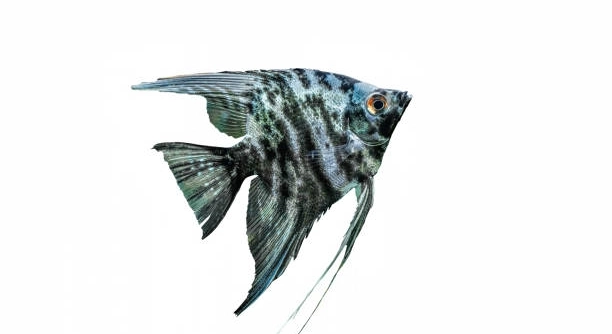
Algae growth in an angelfish tank is a common problem that many fishkeepers face. It can affect the water quality and the overall health of the fish. Learning how to manage algae growth is essential for maintaining a healthy aquarium.
To prevent algae growth in an angelfish tank, maintain a proper balance of light, water quality, and nutrient levels. Regular water changes, reducing excess nutrients, and controlling light exposure can help minimize algae buildup and keep your tank clean.
By following these tips, you can keep your angelfish tank free from algae and ensure a cleaner, healthier environment for your fish.
Control Lighting in the Tank
Light plays a significant role in algae growth. Too much light can trigger algae to multiply quickly. You should keep the tank away from direct sunlight and limit the amount of artificial lighting to around 8-10 hours a day.
Using a timer for your aquarium lights can help ensure they stay on for the right amount of time. Avoid leaving lights on for extended periods, especially at night, as it can encourage algae to thrive. By regulating the lighting, you can reduce the chances of algae bloom.
In addition to controlling light exposure, using a low-wattage LED light can also help. These lights produce less heat and lower energy, preventing the tank from becoming too warm. Keeping the temperature stable will also help avoid creating the perfect environment for algae.
Regular Water Changes
Changing the water in your tank frequently is one of the most effective ways to control algae growth. Aim to replace 25-30% of the water each week to keep the water fresh and clear. Clean water helps prevent algae from getting the nutrients it needs.
Water changes not only improve water quality but also help reduce the excess nutrients that algae need to grow. When doing a water change, make sure to clean the substrate, removing debris and waste that could feed the algae. This simple maintenance step goes a long way.
Keeping your water parameters balanced is essential too. Check the levels of ammonia, nitrites, and nitrates regularly. High nitrate levels can fuel algae growth. A consistent water change routine, paired with good filtration, ensures that your tank remains algae-free and your fish stay healthy.
Use Live Plants to Compete with Algae
Live plants can help control algae by competing for nutrients. They absorb the same nutrients that algae needs to grow, thus limiting the amount available for algae. Having healthy, thriving plants reduces the chance of algae outbreaks.
Incorporating plants like Java Fern or Anubias into your tank can help naturally prevent algae. These plants are low-maintenance and can thrive in different water conditions. The balance between live plants and algae will naturally reduce the need for chemical interventions.
Maintain Proper Filtration
Proper filtration is essential for reducing algae growth. A good filter removes excess nutrients and waste from the water, ensuring the tank remains clean. It also helps maintain clear water, making it harder for algae to settle and thrive.
Choosing the right filter for your tank size is crucial. Make sure it’s capable of handling the tank’s volume and water flow needs. Regularly cleaning the filter and replacing the media when necessary ensures optimal performance. A strong filtration system keeps your aquarium’s environment healthy and minimizes algae risks.
Limit Overfeeding
Overfeeding your angelfish can lead to excess food breaking down into nutrients that algae feed on. It’s easy to forget how much to feed, but the goal is to avoid leftover food sinking into the substrate.
Feed your angelfish only what they can eat in a few minutes. Leftover food can cause nutrient build-up, increasing the risk of algae growth. Adjust the portion size based on the number of fish in the tank, and remove any uneaten food promptly to keep the water clean.
FAQ
How do I know if my tank has too much algae?
Signs of excess algae include a greenish tint to the water, algae growing on the surfaces of decorations, glass, and plants, and a decrease in overall water clarity. If your angelfish seem stressed or the tank appears cloudy, algae could be the problem. Keep an eye on these changes to catch the problem early.
What are the best fish for controlling algae in an angelfish tank?
Several fish can help keep algae under control, including Plecos, Siamese algae eaters, and Otocinclus catfish. These fish naturally graze on algae and can reduce its growth. Just be sure to choose species that won’t bother your angelfish or outgrow the tank.
Can I use chemicals to control algae?
While chemicals can sometimes be effective, they should be used with caution. Algae control products can harm your tank’s balance, affecting both plants and fish. It’s always best to try natural methods first, like adjusting lighting and improving filtration, before turning to chemicals as a last resort.
How do I keep the tank from getting too warm?
Overheating the water can contribute to algae growth, so it’s important to maintain the right temperature for your angelfish. Keep the tank temperature between 76-82°F (24-28°C). A quality aquarium heater with a thermostat will help regulate the temperature and prevent overheating. You can also ensure proper airflow and use fans to keep the tank cool during hot weather.
Is it safe to scrub algae off the tank walls?
Yes, it’s safe to scrub algae from the walls of your aquarium using a soft algae scraper or a sponge. Be gentle to avoid scratching the glass. For stubborn algae, you may need to use a plastic scraper specifically designed for aquarium glass. Regular cleaning will prevent excessive algae buildup.
How often should I clean my tank to prevent algae growth?
Regular tank cleaning is essential. At least once a week, you should clean the glass, remove debris, and perform a partial water change. The more frequently you clean, the less likely algae will have a chance to grow out of control. Consistent maintenance is key to a healthy tank environment.
Can algae affect the health of my angelfish?
Yes, excessive algae growth can affect your angelfish in several ways. It can reduce water oxygen levels, making it harder for fish to breathe. Algae blooms can also release toxins into the water that harm fish, causing stress or illness. It’s important to manage algae growth to maintain a safe, healthy environment.
Do algae eaters always prevent algae growth?
Algae eaters can certainly help, but they may not eliminate algae completely. They tend to eat algae on surfaces like rocks, glass, and plants, but they may not target the algae in the water or on the substrate. You still need to keep up with tank maintenance and manage other factors like lighting and nutrients.
How does light exposure impact algae growth?
Algae thrive under prolonged light exposure. Too much light in your tank, especially if it’s left on too long, can encourage algae to grow rapidly. By keeping the lighting to around 8-10 hours a day, you can reduce the chances of algae blooms. Try using a timer for consistency.
Are there any plants that can help prevent algae?
Yes, certain plants, such as Java Moss, Anubias, and Cryptocoryne, can help compete with algae for nutrients. These plants absorb the same nutrients that algae needs, reducing the food supply for algae. The more healthy plants you have, the less algae will grow in your tank.
Can I use a UV sterilizer to prevent algae?
A UV sterilizer can be helpful in controlling algae in the water. It works by filtering the water and killing algae spores, preventing them from growing. While it won’t eliminate algae from surfaces, it can help keep the water clear and reduce algae blooms. However, UV sterilizers are not a long-term solution on their own.
How do I manage excess nutrients in the tank?
Excess nutrients like nitrates and phosphates are a major cause of algae growth. To manage these, ensure you are doing regular water changes, removing uneaten food, and not overfeeding your fish. You can also use nutrient-absorbing media or chemical filters to help reduce the buildup of excess nutrients. Keeping your tank’s balance in check is vital.
Is it necessary to remove dead or decaying plants?
Yes, removing dead or decaying plants is important. As they break down, they release nutrients into the water that can encourage algae growth. Keeping your plants healthy and trimming any dead leaves will help prevent the buildup of nutrients that fuel algae. Regularly check your plants to ensure they’re in good condition.
Can I prevent algae without using a filter?
While a filter helps keep the water clean and free of excess nutrients, you can still manage algae growth without one. Regular water changes, reducing light exposure, using live plants, and maintaining a clean tank can all help. However, a good filtration system is highly recommended for keeping algae under control in the long term.
Final Thoughts
Algae growth in an angelfish tank is a common issue, but it can be managed effectively with some basic steps. By maintaining a balanced environment, you can keep the algae in check and ensure your angelfish thrive. Regular water changes, proper filtration, and controlling light exposure are essential. These actions help keep the tank clean and minimize excess nutrients that algae need to grow. With time and consistency, these methods will provide a healthier environment for both your fish and plants.
Adding live plants to your tank can help in preventing algae. Healthy plants naturally compete for nutrients, which limits the resources available for algae. Choosing the right plants for your tank’s conditions can also enhance the overall aesthetic, making it a more enjoyable space. Consider plants like Java Fern or Anubias, which are easy to care for and can flourish in various water conditions. They not only help in controlling algae but also improve the oxygen levels and water quality in the tank.
While algae eaters like Plecos or Otocinclus can assist in controlling algae, they shouldn’t be seen as a complete solution. They can help reduce algae on surfaces, but you’ll still need to manage other factors like water quality and light. Remember that a healthy tank requires ongoing care, and balancing all aspects—from feeding habits to filtration—is key to preventing algae growth. By staying consistent with these practices, you can enjoy a clean, vibrant tank where your angelfish are happy and healthy.

Hello,
If you enjoy the content that we create, please consider saying a "Thank You!" by leaving a tip.
Every little bit helps us continue crafting quality advice that supports the health, happiness, and well-being of pets around the world, for pets of all shapes, sizes, and species.
We really appreciate the kindness and support that you show us!