
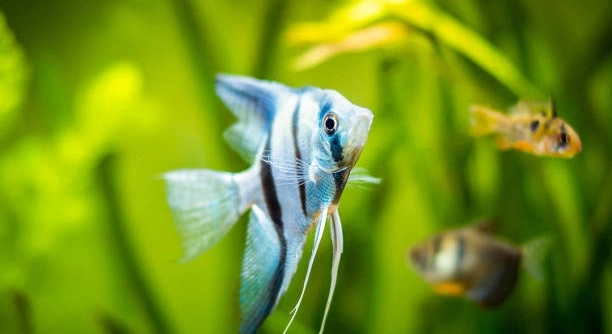
Angelfish are a popular choice for many aquarium enthusiasts, but keeping them healthy and thriving can sometimes be tricky. When growth stalls, it can be frustrating, as these fish deserve the best care. Understanding the causes can help.
Several factors can lead to poor growth in angelfish, including improper water conditions, poor nutrition, stress, and overcrowded tanks. Maintaining the right environment, feeding a balanced diet, and minimizing stress are key to ensuring proper growth.
Knowing these factors can help you provide the best care for your angelfish. Let’s explore how to keep them healthy and growing strong.
Improper Water Conditions
One of the most common reasons for poor growth in angelfish is poor water quality. Angelfish thrive in specific water parameters, including a temperature range of 76-82°F, pH of 6.8-7.8, and soft to moderately hard water. If the water is too warm or cold, or the pH is unbalanced, it can cause stress, slowing their growth. Poor water conditions also lead to disease, which can further stunt their development. It’s essential to test the water regularly and make adjustments as needed.
Even small fluctuations in water quality can harm angelfish. Regular water changes are crucial for removing toxins like ammonia and nitrites. Keeping the tank clean and ensuring proper filtration will help keep the water stable.
Consistency is key when it comes to water care. Angelfish are sensitive to sudden changes, so it’s important to make gradual adjustments and avoid large shifts in the water parameters. Proper maintenance will ensure your angelfish have the ideal environment to grow strong and healthy.
Poor Nutrition
Feeding angelfish the right food is just as important as maintaining proper water conditions. A poor diet can lead to stunted growth and weak immune systems. Angelfish need a balanced diet that includes high-quality flakes, pellets, and occasional live or frozen foods. Offering variety helps meet their nutritional needs.
Angelfish that aren’t provided the right nutrients may show signs of malnutrition, such as poor growth or faded color. For optimal health, feed them a mix of protein and vegetable-based foods. It’s also vital to avoid overfeeding, as excess food can pollute the tank and cause water quality issues.
To promote healthy growth, include a variety of foods that cater to their natural diet. This will ensure that your angelfish get all the necessary nutrients for proper development. Keep an eye on their feeding habits and adjust accordingly to support their growth and well-being.
Stress
Stress can significantly affect the growth of angelfish. They can become stressed due to various factors such as sudden changes in water temperature, overpopulation in the tank, or poor tank mates. When stressed, angelfish may stop eating or become more vulnerable to diseases.
To reduce stress, ensure that the tank environment is calm and stable. Avoid overcrowding, as this leads to competition for food and space, which can stress your angelfish. Additionally, provide hiding spots and peaceful tank mates that won’t harass your fish. A stress-free environment allows angelfish to grow and thrive without unnecessary setbacks.
Keeping a watchful eye on your angelfish’s behavior is important. If you notice signs of stress, such as erratic swimming, loss of appetite, or faded colors, it’s best to assess the tank’s conditions. By maintaining a peaceful environment and avoiding sudden changes, you can ensure that your angelfish grow without stress interfering with their health.
Overcrowding
Overcrowding is a common mistake in many aquariums, and it can have a direct impact on the growth of angelfish. Too many fish in one tank leads to competition for food, space, and oxygen, all of which can stunt growth. It’s crucial to ensure the tank is large enough to accommodate the number of fish you have.
If you overcrowd the tank, your angelfish may also become stressed, as there will be limited places to hide or swim freely. This leads to health problems and slower growth. Angelfish require space to swim and grow to their full potential.
To avoid overcrowding, follow general guidelines for stocking density based on tank size. A good rule of thumb is to have at least 10 gallons of water per adult angelfish. This ensures that each fish has enough space to grow and thrive without feeling cramped.
Inadequate Tank Size
The size of your tank plays a major role in the growth of your angelfish. A small tank limits swimming space, causing stress and hindering growth. Angelfish need room to move and develop properly, so it’s important to provide an appropriately sized aquarium.
If the tank is too small, angelfish may not grow to their full potential. With limited space, they often experience stunted growth and can become more prone to illness. Ideally, provide at least a 20-gallon tank for a pair of angelfish, with additional space for each fish added.
Poor Water Filtration
Water filtration is essential for the overall health and growth of your angelfish. A good filter helps maintain clean water by removing waste, toxins, and debris. Poor filtration leads to a buildup of harmful substances, which can stress your fish and slow their growth.
Invest in a reliable filter to ensure the water stays clean and safe for your angelfish. This prevents harmful toxins from building up and helps maintain water quality, allowing your angelfish to grow properly. Regular filter maintenance is also necessary to keep it running efficiently.
Disease
Diseases can significantly slow down the growth of angelfish. Infections or parasites can weaken their immune systems, making it harder for them to grow and stay healthy. Early detection and treatment are key to preventing growth issues caused by disease.
If you notice abnormal behavior or physical signs of illness, such as faded color or lethargy, it’s essential to act quickly. Quarantining affected fish and treating them with appropriate medications will help ensure that they can recover and continue growing.
FAQ
How can I improve the growth rate of my angelfish?
To improve your angelfish’s growth rate, focus on providing the ideal water conditions, proper nutrition, and a stress-free environment. Make sure the water is clean, well-filtered, and within the proper temperature range. Regular water changes and testing for ammonia, nitrites, and pH levels are important. Ensure that your angelfish are eating a varied, balanced diet with high-quality flakes, pellets, and live or frozen foods. Lastly, reduce stress by avoiding overcrowding and providing hiding spots to make them feel secure.
What should I feed my angelfish to help them grow?
Feeding your angelfish a balanced diet will encourage proper growth. High-quality flake foods designed for angelfish are a good base, but supplement their diet with frozen or live foods like brine shrimp, daphnia, or bloodworms. Including plant-based foods, such as spinach or algae wafers, is also beneficial for their overall health. It’s important to avoid overfeeding, as uneaten food can pollute the tank, affecting water quality and, in turn, hindering growth.
Can overfeeding angelfish affect their growth?
Yes, overfeeding angelfish can negatively impact their growth. When you feed too much, excess food decomposes in the tank, raising ammonia and nitrite levels, which can harm your fish. Overfeeding also causes obesity, making it difficult for your fish to grow properly and stay healthy. Stick to feeding them only what they can consume in a few minutes, and remove any uneaten food after feeding time to maintain water quality.
How do I know if my angelfish is growing at the right pace?
The growth rate of angelfish varies depending on their environment and diet. On average, angelfish grow 1-2 inches per year under proper conditions. A healthy angelfish will be active, have vibrant colors, and show no signs of stunted growth, such as small size or poor coloration. You can track their growth by measuring their size over time. If your angelfish is smaller than expected, check their water conditions, diet, and overall environment for possible issues.
What size tank do angelfish need for proper growth?
For one angelfish, a minimum of a 20-gallon tank is recommended. However, if you plan on keeping more than one or want to add other tank mates, a 30- to 40-gallon tank is ideal. A larger tank provides more space for swimming, reduces stress, and helps maintain better water quality. Angelfish need room to grow and flourish, and a cramped tank can hinder their development.
Can poor water conditions stunt angelfish growth?
Yes, poor water conditions can directly affect the growth of your angelfish. If the water temperature, pH, or hardness is outside the recommended range, or if the water contains harmful toxins like ammonia, nitrites, or nitrates, your fish may experience stress or illness. Stressed fish often stop eating, which leads to stunted growth. Regularly test the water and make adjustments as needed to ensure your angelfish are living in the best possible environment.
Are angelfish sensitive to sudden changes in water parameters?
Yes, angelfish are quite sensitive to sudden changes in their water environment. Rapid shifts in temperature, pH, or water hardness can cause stress and health problems, which in turn can slow down their growth. Make any necessary adjustments to the water gradually to give your angelfish time to acclimate. Avoid large fluctuations, and aim for consistency in water conditions.
How can I reduce stress for my angelfish?
Reducing stress for your angelfish starts with maintaining a stable environment. Ensure the water quality is good, and avoid sudden changes in temperature or pH. A well-filtered tank with enough space for each fish is crucial. Avoid overcrowding, and provide hiding spots and decorations where your angelfish can retreat if they feel threatened. Choosing peaceful tank mates also helps reduce stress, as aggressive or overly active fish can cause anxiety.
Can tank mates affect angelfish growth?
Yes, tank mates can have a big impact on angelfish growth. Aggressive fish may harass your angelfish, causing them stress and slowing their growth. It’s important to choose compatible species that won’t compete for food or space. Peaceful tank mates like tetras, gouramis, or catfish are ideal for a calm, stress-free environment that promotes healthy growth.
How often should I clean my angelfish tank?
To maintain a healthy environment for your angelfish, clean the tank regularly. Perform partial water changes of about 25-30% every 1-2 weeks, depending on the size of the tank and number of fish. Clean the substrate, remove any uneaten food, and check the filter regularly to ensure it is working effectively. Regular cleaning will prevent harmful substances from building up and keep the water fresh for your angelfish to grow well.
Final Thoughts
Ensuring that your angelfish grow healthy and strong requires a combination of proper care and attention to detail. By focusing on water quality, diet, and stress management, you can help create an environment where your fish can thrive. Regular water changes and maintaining the right temperature and pH levels are crucial for preventing issues that could stunt their growth. Healthy, clean water supports their immune system and helps them grow at a steady pace. Additionally, providing a varied, well-balanced diet ensures your angelfish get the right nutrients to stay strong and vibrant.
It’s also important to recognize the role of stress in the growth of your angelfish. Stress can lead to poor feeding habits, health problems, and stunted growth. Overcrowding, aggressive tank mates, or sudden changes in water conditions can all cause stress, which is why it’s essential to keep your tank peaceful and stable. Proper tank size, the right companions, and a predictable environment all contribute to the well-being of your angelfish. When their stress levels are low, they will have the opportunity to grow without setbacks.
By understanding and addressing the factors that affect growth, you can help your angelfish reach their full potential. Regular monitoring of water parameters, proper feeding routines, and maintaining a low-stress environment are key practices. Growth may take time, and it’s important to be patient while ensuring they have all the essentials they need. With consistent care, your angelfish can enjoy long, healthy lives, flourishing in an environment that supports their natural growth.

Hello,
If you enjoy the content that we create, please consider saying a "Thank You!" by leaving a tip.
Every little bit helps us continue crafting quality advice that supports the health, happiness, and well-being of pets around the world, for pets of all shapes, sizes, and species.
We really appreciate the kindness and support that you show us!