
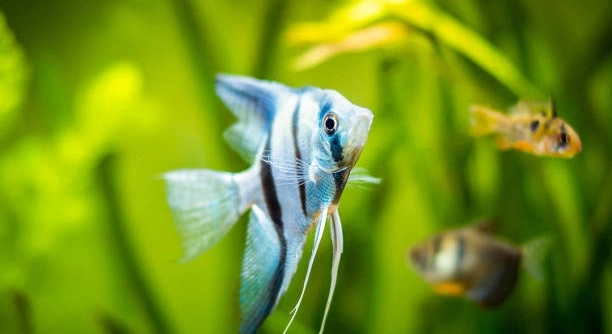
Angelfish are fascinating creatures that bring beauty and life to any aquarium. Observing their graceful movements can be quite enjoyable, but sometimes their swimming speed changes unexpectedly. Understanding why this happens can be helpful for keeping them healthy.
Angelfish may change their swimming speed due to several factors, including water quality, stress, feeding habits, and their interaction with tankmates. Each of these elements can affect their behavior, leading to faster or slower movements at different times.
Understanding these changes in swimming speed can help ensure your angelfish’s well-being and happiness. Identifying the underlying causes will provide you with the right solutions to keep them thriving in their environment.
Water Quality
Water quality plays a crucial role in an angelfish’s behavior, including its swimming speed. If the water becomes dirty or imbalanced, it can lead to stress and discomfort for the fish. Factors like high ammonia levels, low oxygen, and fluctuating temperatures can make the fish swim slower or more erratically. A proper water filtration system and routine water changes are necessary to maintain a healthy environment for your angelfish.
Angelfish are sensitive to changes in water conditions. If your fish seems lethargic or unusually fast-paced, consider checking the water parameters regularly. Proper temperature, pH, and water hardness are essential to their health.
To keep your angelfish happy, ensure that the water quality stays consistent. Regular water tests can help spot any problems early. A good filtration system will help prevent the buildup of harmful toxins, while frequent water changes will keep the environment clean and safe for your fish. Regular maintenance of the aquarium will reduce the stress caused by poor water conditions, ensuring your fish feel comfortable and swim naturally.
Stress Factors
Stress is another major factor that can cause changes in swimming speed. Angelfish, like most fish, are sensitive to their environment. If they feel threatened by other fish or feel unsafe due to inadequate hiding spots, they may display erratic swimming patterns or appear more sluggish than usual.
Angelfish need a peaceful, secure environment. If your tank is overcrowded, or there are aggressive tankmates, your fish may try to avoid contact, which can affect their swimming.
To reduce stress, ensure that your angelfish has enough space to swim freely. A well-planted tank with hiding spots can help create a more secure environment for them. Additionally, be mindful of tankmates and avoid adding overly aggressive species that may intimidate your angelfish. When angelfish feel safe, their swimming will become smoother, and they will likely move at a more consistent speed.
Feeding Habits
The way your angelfish is fed can impact its swimming speed. If they’re overfed, it may lead to sluggish movements. On the other hand, feeding too little may cause a lack of energy, resulting in slower swimming. Finding the right balance is key.
Overfeeding can lead to digestive issues, which can make your angelfish swim slower. The excess food adds waste to the water, which could also harm the water quality, further stressing the fish. Angelfish prefer smaller meals, multiple times a day. This approach helps them maintain their energy without overeating.
A good feeding routine involves offering small amounts of food that the fish can consume within a few minutes. Make sure to remove any leftover food to keep the tank clean. Additionally, provide a variety of foods like flakes, pellets, and live or frozen treats to keep your angelfish healthy and active. Too much food or a lack of variety can both affect their behavior and energy levels, leading to inconsistent swimming speeds.
Tank Size and Space
The size of your tank and the available swimming space are also important. Angelfish are known to grow fairly large and need plenty of space to swim freely. A cramped tank can make them more stressed, causing changes in swimming speed.
In a small tank, your angelfish may swim faster as they try to move around the limited space, or they may become slower due to stress. The lack of room can hinder their natural swimming behaviors. A larger tank allows them to explore more and can help prevent behavior changes like erratic swimming.
Ensure your angelfish has enough room to swim comfortably. A 20-gallon tank is the minimum size for a pair of angelfish, though larger tanks are always better. The more space they have, the less stressed they will be. A spacious environment will encourage natural swimming patterns and make your fish more active, preventing rapid changes in swimming speed due to confinement.
Tankmates
Angelfish are sensitive to the presence of other fish. Aggressive or overly active tankmates can make them swim faster or slower, depending on their stress levels. It’s essential to choose tankmates that are peaceful and won’t disrupt their natural movement.
Incompatible tankmates can lead to stressful situations where angelfish might swim frantically to avoid conflict or become more reserved and swim slowly due to fear. Some species, like bettas or aggressive cichlids, may cause anxiety in your angelfish, leading to erratic swimming patterns.
To avoid this, carefully research potential tankmates before adding them to your aquarium. Opt for peaceful species that match the angelfish’s temperament, such as tetras or peaceful gouramis. This will reduce the chance of stress and allow your angelfish to swim more comfortably and naturally.
Temperature
Angelfish are sensitive to temperature fluctuations. When the water temperature is too high or too low, it can affect their swimming speed. The ideal water temperature for angelfish is between 75°F and 82°F. Any significant change can make them sluggish or overly active.
If the water is too cold, your angelfish may swim slowly as they try to conserve energy. If the water is too hot, they may swim rapidly in an attempt to cool off or find better conditions. Keeping the temperature stable within the ideal range will ensure consistent swimming behavior.
Regularly check the water temperature with an accurate thermometer. It’s important to make gradual adjustments if you need to change the temperature. Sudden shifts can stress your angelfish and cause erratic swimming speeds. By maintaining a stable, optimal temperature, you’ll encourage your angelfish to swim naturally and comfortably.
Light Levels
The lighting in your aquarium can also affect your angelfish’s swimming behavior. Angelfish are generally more active during the day, so when the light is bright, they tend to swim faster. In lower light or at night, they may slow down as they become less active.
Overly bright lighting or erratic lighting changes can stress your fish, causing them to swim more erratically. Proper lighting should mimic natural day-night cycles, with dimmer lights during the night to help your angelfish rest.
Use an aquarium light on a timer to ensure a consistent light cycle. Avoid sudden changes in light levels, as this could cause discomfort for your fish. With stable lighting, your angelfish will swim at a consistent pace, reflecting their natural rhythm.
FAQ
Why does my angelfish swim so fast all of a sudden?
There are a few reasons why your angelfish might swim quickly at times. One common cause is stress. If the fish feels threatened, whether from a new tankmate, sudden changes in water quality, or a crowded tank, it might swim faster to escape the stressor. Another reason could be water temperature. Angelfish may swim rapidly if the water is too warm, as they attempt to cool off or adjust to the heat. Lastly, feeding could be a factor—if they’re excited about food, they may swim quickly in anticipation.
Can poor water quality make my angelfish swim slower?
Yes, poor water quality can definitely affect your angelfish’s swimming behavior. When the water has high ammonia levels, low oxygen, or improper pH, it stresses the fish. In response, they may become sluggish and swim slowly. Poor water quality affects their overall health, which can make them feel weak and less energetic. Regular water changes and water tests are essential to keeping the tank clean and ensuring your angelfish can swim normally.
Is it normal for angelfish to change swimming speed frequently?
It’s normal for angelfish to change their swimming speed from time to time, as they respond to different environmental factors. For instance, they might swim faster when they’re excited or feel threatened, while they may swim slowly when resting or feeling unwell. However, if you notice drastic or constant changes in swimming speed, it might be an indication of a larger problem, such as stress, illness, or water quality issues.
Can tankmates cause changes in my angelfish’s swimming speed?
Yes, tankmates can have a big impact on your angelfish’s behavior, including swimming speed. If you have aggressive or overly active fish, your angelfish may become stressed and swim more rapidly to avoid conflict or hide. On the other hand, if they feel threatened or are in a constantly hostile environment, they may swim slower, trying to conserve energy or avoid confrontation. Choosing compatible tankmates and creating a peaceful environment is crucial for the angelfish’s well-being.
How do I know if my angelfish is stressed?
Stressed angelfish may display signs such as erratic swimming, hiding, or sluggish behavior. If your fish is swimming rapidly around the tank or darting from one corner to another, this could be a sign of stress or fear. You may also notice a decrease in appetite or an overall lack of energy. Checking the water quality and making sure the tank has enough space and suitable tankmates can help reduce stress and encourage a more relaxed swimming pace.
What should I do if my angelfish is swimming too fast?
If your angelfish is swimming excessively fast, first check the water temperature. If it’s too high, try lowering the temperature to a more comfortable range (75°F to 82°F). Also, ensure that the tank is not overcrowded or filled with aggressive fish, which could be causing stress. If your angelfish is excited about feeding, try to reduce the amount of food offered, as overeating can lead to sudden bursts of energy. Lastly, examine the water quality to make sure there are no issues, such as high ammonia or low oxygen levels.
Is there a way to encourage my angelfish to swim slower?
If your angelfish is swimming too quickly and it’s causing concern, try adjusting some environmental factors. A calming, stable environment with proper tankmates can help your angelfish swim more smoothly. Avoid sudden changes in water conditions, and provide plenty of hiding spots or plants for the fish to rest in. Regularly check the water parameters and make sure they are in the optimal range to reduce stress and allow your angelfish to swim at a more natural pace.
Can I prevent my angelfish from swimming too slowly?
If your angelfish is swimming too slowly, it could be a sign of poor water quality, illness, or stress. First, test the water for any imbalances or toxins. Perform a water change if necessary and ensure the filtration system is working well. If the water quality is fine, examine other factors like temperature, feeding habits, and tankmates. Ensuring a peaceful, comfortable environment with no threats will help your fish regain its energy and return to normal swimming behavior.
How can I tell if my angelfish is sick and its swimming speed is affected?
Sick angelfish often show changes in swimming patterns. If they are swimming slower than usual or are struggling to maintain balance, it may indicate an illness. Look for other signs of sickness, such as faded color, lesions, clamped fins, or a lack of appetite. If your fish shows any of these symptoms, it’s important to separate it from healthy fish and consult a veterinarian or fish expert for treatment. Poor water quality can also contribute to illnesses, so always monitor water conditions.
Is it okay to change the lighting in my tank to affect my angelfish’s swimming?
Adjusting the lighting in your tank can influence your angelfish’s behavior, but it’s important to do so gradually. Angelfish are sensitive to light, and sudden changes can cause stress, leading to rapid or slow swimming. It’s best to have a consistent light cycle, mimicking natural day and night patterns. If you need to adjust the light, do so in small increments to avoid shocking your angelfish. Additionally, provide some shaded areas in the tank where the fish can retreat if the light is too bright.
Can overfeeding cause changes in my angelfish’s swimming speed?
Overfeeding can lead to sluggish swimming in angelfish. When they eat more than they need, they may become bloated, which can affect their ability to swim properly. Additionally, overfeeding leads to excess food that breaks down into waste, lowering water quality and causing further stress. To avoid this, feed your angelfish small portions multiple times a day. Remove any uneaten food after a few minutes to prevent water quality issues and ensure your fish can swim freely and energetically.
Final Thoughts
Understanding why your angelfish changes its swimming speed can be helpful in maintaining a healthy and happy environment for your fish. Many factors can influence their swimming behavior, including water quality, tankmates, temperature, and even their feeding habits. By paying attention to these elements, you can better address the causes of changes in their swimming speed and provide them with the care they need. Regularly monitoring water conditions, providing enough space, and ensuring they’re not stressed by other fish will go a long way in supporting your angelfish’s well-being.
Angelfish are relatively easy to care for when their basic needs are met. A stable, clean environment is key to keeping them healthy and active. If you notice your angelfish swimming too fast or too slow, it’s essential to investigate potential causes like poor water quality or stress from overcrowded tanks or incompatible tankmates. By adjusting the water temperature, keeping the tank clean, and ensuring your angelfish has space to swim, you can help them feel secure and comfortable in their environment. A well-maintained aquarium with proper conditions will allow your angelfish to display their natural swimming behavior.
Lastly, it’s important to remember that every fish is different, and they may react to changes in their environment in various ways. If you’ve ruled out common causes like water quality issues or stress, it might just be part of their natural behavior. Some angelfish may swim more energetically due to excitement, while others may take it slower when they need rest. As long as your fish isn’t showing signs of illness or extreme stress, occasional changes in swimming speed are typically nothing to worry about. Keep observing, stay on top of maintenance, and your angelfish should thrive in its aquarium.

Hello,
If you enjoy the content that we create, please consider saying a "Thank You!" by leaving a tip.
Every little bit helps us continue crafting quality advice that supports the health, happiness, and well-being of pets around the world, for pets of all shapes, sizes, and species.
We really appreciate the kindness and support that you show us!