
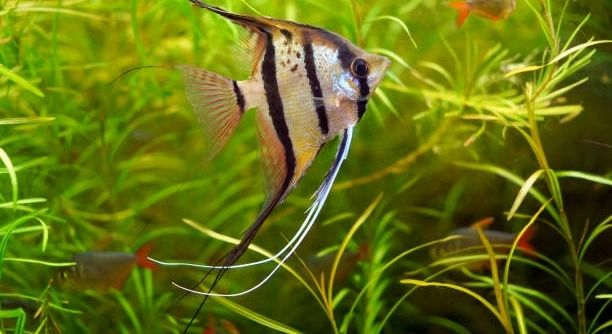
Angelfish are beautiful and delicate creatures that can sometimes suffer from injuries. Whether caused by tank mates or accidents, their recovery is crucial for their well-being. Helping them heal requires proper care and attention.
To aid your angelfish in recovery, it’s essential to first provide a clean, calm environment. Remove any injured fish from aggressive tank mates and maintain optimal water conditions. Adding aquarium salt and ensuring appropriate feeding can also support healing.
By focusing on proper care and adjusting your tank setup, you can enhance your angelfish’s chances of a full recovery.
Keep Your Angelfish in a Stress-Free Environment
When an angelfish is recovering from an injury, the environment plays a significant role in its healing process. It’s important to minimize stress by ensuring a quiet, calm setting. Keep the aquarium away from high-traffic areas, as constant noise or movement can distress the fish. Lower the tank lights to prevent further irritation. Additionally, consider isolating the injured angelfish in a separate quarantine tank to avoid interactions with other fish that may cause harm. The water should be kept clean and filtered, with regular water changes to reduce any harmful bacteria.
Creating a stress-free environment isn’t just about physical space; it’s about making sure the angelfish feels safe and secure.
Ensuring proper water parameters, such as temperature, pH, and hardness, will help prevent further stress. If necessary, you can invest in a heater to maintain the water temperature at a consistent level, as fluctuations can slow healing.
Adjust Your Angelfish’s Diet
A proper diet is essential for an angelfish’s recovery. Feed them high-quality foods rich in essential nutrients, including vitamins and minerals, to promote healing. It is best to offer a variety of foods like live or frozen brine shrimp, bloodworms, and special pellets designed for angelfish. These provide the protein necessary for tissue repair and overall health. Additionally, adding garlic to the food can help boost their immune system and prevent infections.
By ensuring your angelfish receives a balanced diet, you can help them regain strength and vitality.
Use Aquarium Salt
Aquarium salt can be a helpful addition to your angelfish’s recovery process. It aids in healing by reducing stress, improving gill function, and preventing bacterial infections. Always use it in moderation to avoid harming your fish. Dissolve the appropriate amount in water before adding it to the tank.
Start by adding salt in small amounts, carefully monitoring the fish’s behavior. If the angelfish seems stressed or the water quality decreases, stop using it. You can remove the salt through water changes if necessary. Keep the salt concentration low to avoid further irritation, especially for sensitive fish.
Adding aquarium salt helps create a better healing environment for your angelfish, but always follow recommended guidelines to ensure it benefits your fish. Be cautious not to overdo it, and keep track of how your angelfish responds to the treatment.
Ensure Proper Filtration and Water Changes
Maintaining clean, well-filtered water is crucial for healing. The cleaner the water, the less chance bacteria and parasites have to thrive, which is especially important during recovery. Make sure your filter is running efficiently, and do regular water changes to maintain the right parameters.
Water changes are essential to remove toxins, waste, and excess food that could pollute the tank. Ideally, aim for a 25-30% water change every week. Using a high-quality water conditioner can also remove harmful chemicals from tap water. Clean the filter regularly to ensure it’s operating efficiently, and test the water for ammonia, nitrites, and nitrates, keeping them in check.
A stable, clean environment helps prevent new infections while supporting the healing process. Healthy water will give your angelfish the best chance for recovery. Keeping up with water maintenance is vital in this process and should not be overlooked.
Avoid Overcrowding in the Tank
Overcrowding can stress your angelfish and delay the healing process. Keeping too many fish in a tank creates competition for space and resources, making it harder for your injured angelfish to recover. Limit the number of tank mates to reduce stress.
An overcrowded tank can also increase the risk of water quality issues, which can negatively affect your angelfish’s health. Always ensure the tank is properly sized for the number of fish you have. Keeping a manageable number of fish will allow your angelfish the space it needs to heal properly.
Isolate the Injured Fish
Quarantining an injured angelfish can protect it from further harm and reduce stress. It allows the fish to recover in a calm, controlled environment without interference from other tank mates. A small hospital tank is ideal for this purpose.
By isolating the angelfish, you can closely monitor its progress and make necessary adjustments to its care. You’ll also prevent aggressive tank mates from exacerbating the injury. Regularly check the water quality and ensure the hospital tank is well-maintained to support healing.
FAQ
What is the best way to treat an angelfish with a fin injury?
If your angelfish has a fin injury, you can help it heal by providing a clean, stress-free environment. Keep the water quality high and avoid overcrowding the tank. Use aquarium salt to promote healing and prevent infection. If the injury is severe, consider isolating the fish in a hospital tank to prevent further stress or aggression from other fish. Monitor the injury closely and ensure it’s healing without signs of infection, such as swelling or redness.
How can I tell if my angelfish’s injury is infected?
Infected injuries will typically show signs like swelling, redness, or the development of white or fuzzy patches around the wound. If the wound appears to be oozing, or if the fish behaves abnormally (e.g., swimming erratically or staying at the bottom of the tank), there may be an infection. In this case, it’s important to treat the fish with medications designed for bacterial or fungal infections.
Can I use antibiotics to treat my angelfish’s injury?
Yes, antibiotics can be used to treat infections in angelfish, but they should be used carefully. You should only use antibiotics after confirming an infection. Consult a vet or aquarium professional to choose the right antibiotic for your fish. Always follow the dosage instructions carefully and only use them when necessary, as overuse can harm the beneficial bacteria in your tank.
How often should I change the water in the tank during recovery?
Water changes are critical for maintaining water quality during recovery. Aim for at least a 25-30% water change every week, ensuring the water remains clean and free of toxins. If the fish is recovering from an infection or injury, more frequent changes may be necessary to keep the water pristine and prevent further complications. Always use a water conditioner to remove harmful chemicals from tap water.
Should I continue feeding my angelfish if it has an injury?
Yes, it’s important to continue feeding your angelfish, as a proper diet helps with the recovery process. However, be mindful of the amount of food you give. Overfeeding can lead to water quality issues, which could worsen the recovery process. Provide small, frequent meals using high-quality fish food, and avoid feeding live foods that may carry pathogens.
Can aquarium salt help with all types of angelfish injuries?
Aquarium salt is beneficial for most injuries, as it promotes healing, reduces stress, and prevents bacterial infections. However, it’s important to note that not all injuries will respond to salt alone. For more severe injuries or infections, additional treatments, such as antibiotics or antifungal medications, may be necessary. Always monitor the fish’s response to salt and adjust accordingly.
Is it okay to add plants to a tank with an injured angelfish?
Yes, adding plants to the tank can provide benefits to your injured angelfish. Plants help maintain water quality by absorbing nitrates and offering hiding spaces for the fish to feel more secure. However, avoid introducing new plants that might carry pests or diseases. Make sure they are clean and free from chemicals.
Can stress from tank mates affect the healing of my angelfish?
Yes, stress from tank mates can significantly impact the healing process of your angelfish. Aggressive fish or overcrowded conditions can cause unnecessary stress, delaying recovery and potentially worsening the injury. It’s best to isolate the injured angelfish or ensure its tank mates are peaceful and not overly active.
How long does it typically take for an angelfish to recover from an injury?
The recovery time for an angelfish can vary depending on the severity of the injury. Minor injuries may take only a few days to heal, while more severe wounds may take several weeks. Throughout this period, maintaining a stable environment, good water quality, and a proper diet is essential for a speedy recovery.
Should I be concerned if my angelfish isn’t eating after an injury?
Loss of appetite can be concerning, as it may indicate stress, infection, or pain. If your angelfish isn’t eating, check the water quality, and ensure the environment is calm and stress-free. Try offering a variety of foods, including live or frozen options, to encourage eating. If the lack of appetite persists, consult a vet.
Final Thoughts
Caring for an injured angelfish requires patience and attention to detail. By maintaining clean water and minimizing stress, you can create an environment that supports the healing process. Regular water changes, proper filtration, and avoiding overcrowding are essential steps. Keep a close eye on the fish’s injury and behavior, as early intervention can make a big difference in recovery.
While aquarium salt can help reduce stress and prevent infection, it’s important to monitor the fish’s response and not overuse it. If the injury seems severe or shows signs of infection, consider using antibiotics or other appropriate treatments. Additionally, isolating the injured angelfish in a hospital tank can provide a safer, more controlled environment, helping it heal faster without interference from other tank mates.
In the end, ensuring the health of your angelfish after an injury involves a combination of good water quality, proper care, and patience. Recovery times may vary, but with the right steps, your angelfish can heal and return to a healthy state. Always be mindful of how your fish is reacting and adjust your care routine if necessary.

Hello,
If you enjoy the content that we create, please consider saying a "Thank You!" by leaving a tip.
Every little bit helps us continue crafting quality advice that supports the health, happiness, and well-being of pets around the world, for pets of all shapes, sizes, and species.
We really appreciate the kindness and support that you show us!