
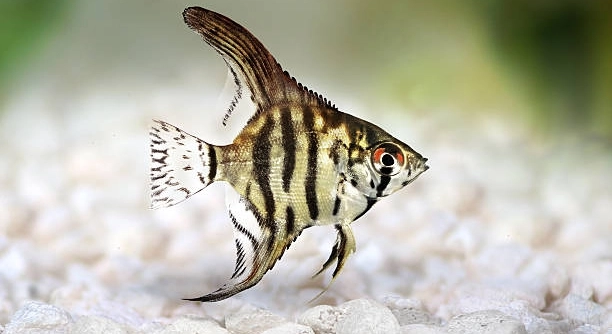
Angelfish are popular in home aquariums for their vibrant colors and calm nature, but some fish keepers notice their angelfish can act aggressively, especially in the mornings. Understanding the causes of this behavior can help manage it effectively.
Angelfish tend to display heightened aggression in the mornings due to factors like hunger, territoriality, or changes in water conditions. They may become more irritable after resting overnight or when they are more active during the day.
Addressing this behavior can ensure a better environment for both you and your angelfish. Exploring the reasons behind this aggression will help you maintain a peaceful tank and improve the overall well-being of your fish.
Hunger and Feeding Schedule
In the morning, your angelfish may seem especially aggressive because they’re hungry. Fish, like all animals, have their own natural feeding patterns. Overnight, their food reserves are depleted, and they’re more likely to seek food as soon as the light comes on. If they haven’t been fed for a while, they may become more competitive or territorial, especially if there are other fish in the tank. This behavior is typically seen in species like angelfish, which are naturally opportunistic feeders. If you feed them right after the tank light turns on, they might calm down and be less aggressive.
A consistent feeding routine can help reduce morning aggression. If angelfish are consistently hungry, they may act out more frequently.
Try feeding your angelfish at the same time every day to create a predictable schedule. This reduces stress and helps maintain their overall health. Angelfish are creatures of habit, and knowing when food is coming can alleviate some of their aggression and prevent them from becoming more territorial or defensive. Keeping a steady feeding routine can also prevent overfeeding, which leads to tank pollution.
Tank Environment
Angelfish are sensitive to changes in their environment. Even slight shifts in water quality, temperature, or lighting can cause stress. In the morning, there may be slight changes in temperature or light intensity as the day starts, which can trigger aggressive behavior. Water conditions such as pH and nitrate levels also fluctuate during the night, which can make your fish feel unsettled. They may act out when these changes happen unexpectedly.
To minimize aggression, regularly test your tank’s water and maintain a stable environment. Keep the temperature constant, and ensure the water parameters are ideal for your angelfish. In particular, make sure the water isn’t too cold in the mornings. Sudden changes can cause discomfort, leading to more aggression.
Make sure to monitor the lighting and temperature closely, especially if you’re using automatic timers. While these small changes can seem insignificant, they can make a big difference to sensitive fish like angelfish.
Territorial Behavior
Angelfish are territorial creatures, and morning aggression can stem from this natural instinct. When they wake up, they may become more protective of their space, especially if they feel threatened by other fish or objects in the tank. If there are nearby hiding spots or breeding areas, angelfish may guard them more aggressively during this time.
To reduce territorial aggression, consider rearranging the decorations or adding more hiding spots. If your angelfish feel they have enough space and places to retreat, they may be less inclined to display aggressive behavior. This can help them feel more secure and less likely to defend their territory.
Adding more fish to the tank or separating dominant individuals can also help reduce territorial disputes. However, be cautious not to overcrowd the tank, as this can cause additional stress. Sometimes, introducing new tank mates gradually helps angelfish get used to each other, reducing aggression over time.
Light and Shadow Play
Angelfish are sensitive to changes in lighting and shadows, which can affect their behavior. In the morning, the light intensity changes, and shadows from plants, decorations, or even your movements can cause them to act defensively. They might mistake these changes for potential threats, leading to sudden outbursts of aggression.
Using a dimmer light or a more gradual light cycle can help prevent this. If the lights are too bright too suddenly, your angelfish might react aggressively as a defense mechanism. A slow transition from dark to light mimics natural sunrise patterns and gives them time to adjust.
Consider using an aquarium light with a programmable timer to simulate dawn and dusk. This will help your angelfish adjust more naturally to changes in light, reducing stress and aggression. Reducing shadows by ensuring the tank is well-lit from all angles can also make your fish feel more secure and less reactive to their environment.
Water Quality Issues
Poor water quality can make angelfish feel stressed and trigger aggression. When the water is not clean or has imbalanced levels of pH, ammonia, or nitrates, angelfish may become more irritable, especially in the morning after a night of stagnant conditions.
Regular water changes and proper filtration are crucial in maintaining a stable environment for your fish. Check water parameters daily to prevent any sudden fluctuations that could affect their behavior. When the water is clear and stable, your angelfish will likely be calmer throughout the day, including in the morning.
Stress from Tank Mates
If there are aggressive or incompatible fish in the same tank, angelfish might display more aggression in the mornings. They might be reacting to the presence of these other fish, especially when they feel threatened after a night of rest.
Take a close look at the tank and observe interactions between your angelfish and other fish. If another fish is constantly challenging them or getting too close, it can trigger defensive reactions. Moving fish that are causing trouble or providing more space can help reduce stress and aggression.
Breeding Behavior
When angelfish are ready to breed, they can become particularly territorial and aggressive, especially in the morning when they feel more active. This behavior is often tied to their instinct to protect their eggs and nesting area from potential threats.
Breeding angelfish will become more protective of their space, and they may act aggressively to keep other fish away. It’s important to give them space during this time. If you do not plan to breed your angelfish, consider adjusting their environment to discourage this behavior. Adding more plants and hiding places may help reduce the focus on defending one area.
FAQ
Why are my angelfish more aggressive in the morning?
Angelfish tend to be more aggressive in the morning due to hunger, territorial instincts, and sensitivity to changes in their environment. After a night without food, they are often eager to eat and may act aggressively, especially if other fish are nearby. Additionally, any changes in water quality, temperature, or lighting can also trigger defensive behavior as they may feel threatened. The combination of hunger and stress from environmental shifts makes the morning an active time for aggression.
How can I stop my angelfish from being aggressive in the morning?
To reduce morning aggression, try feeding your angelfish at a consistent time every day to prevent them from becoming overly hungry. Providing them with enough hiding spots can help minimize territorial conflicts. Make sure your water conditions are stable, as sudden changes in temperature, pH, or light intensity can make your fish feel stressed. Also, maintaining a peaceful community of tank mates is key. By addressing these factors, you can help your angelfish remain calm and less territorial throughout the day.
Can water quality affect the aggression of angelfish?
Yes, poor water quality can absolutely affect the aggression of angelfish. If the water has high levels of ammonia, nitrites, or nitrates, or if the pH is off balance, angelfish can become stressed and more likely to act aggressively. Clean water supports healthy fish, which in turn reduces the chances of defensive or territorial behavior. Regular water changes, along with proper filtration, can keep your angelfish feeling more secure and less aggressive.
Is it normal for angelfish to act aggressive toward other fish?
Yes, it’s quite normal for angelfish to act aggressively toward other fish, especially if they are territorial or if there are issues with their tank mates. Angelfish can become particularly aggressive during breeding seasons, and they are known to defend their space from other fish. Some species of fish may trigger aggression in angelfish, especially if they are perceived as intruders or competitors for food. Ensuring that your tank is properly stocked and that there is enough space for everyone can help reduce this type of aggression.
How do I know if my angelfish is aggressive or just exploring?
Aggressive angelfish will often display behaviors such as chasing, nipping, or flaring their fins. They may also repeatedly swim in and out of a particular area or corner of the tank, marking their territory. If your angelfish is simply exploring, it will swim around the tank in a more relaxed manner, without showing signs of aggression. It’s important to differentiate between normal curiosity and aggressive behavior to better understand their needs.
Do angelfish get aggressive when they are stressed?
Yes, stress is a common cause of aggression in angelfish. Stress can come from a variety of sources, including poor water quality, overcrowding, incompatible tank mates, or sudden changes in their environment. When angelfish feel threatened or uncomfortable, they may act defensively, which often manifests as aggression toward other fish or tank objects. Ensuring a calm and stable environment can reduce stress and, in turn, lower aggression.
How can I reduce territorial aggression in angelfish?
To reduce territorial aggression, provide your angelfish with plenty of space and hiding spots. Angelfish are naturally territorial, especially when they feel they have limited space. Adding more plants, decorations, or creating visual barriers in the tank can help angelfish feel secure and less likely to defend a single spot. Also, be mindful of the number of fish in the tank, as overcrowding can increase competition and aggression.
Can feeding more often help reduce aggression in angelfish?
Feeding more often can help reduce aggression by preventing hunger-induced stress. If your angelfish are constantly hungry, they may become more aggressive in the mornings. Offering smaller meals throughout the day, instead of one large feeding, can keep them satisfied and less likely to act out. However, it’s important not to overfeed, as this can cause water quality issues. Moderation is key.
Do angelfish need to be kept in pairs or groups?
While angelfish can be kept in pairs or groups, it’s important to make sure that the group dynamics are balanced. A pair of angelfish can often be territorial, especially during breeding periods, which can lead to aggression. In larger groups, aggression can be spread out, but care must be taken to avoid overcrowding. Providing enough space, hiding places, and tank mates that are compatible can help reduce the chances of aggression. It’s generally best to introduce angelfish to a community tank gradually to avoid territorial conflicts.
Can angelfish aggression be a sign of illness?
In some cases, aggression can be a sign that your angelfish is not feeling well. When fish are stressed, they may act aggressively as a way to protect themselves from perceived threats. Illness can also make angelfish more irritable and sensitive to their environment. If you notice any other signs of illness, such as loss of appetite, discoloration, or unusual swimming patterns, it’s important to check for any underlying health issues and treat them promptly.
Angelfish are beautiful and peaceful fish, but their behavior can sometimes be a bit puzzling, especially when they become aggressive in the morning. While it can be frustrating, it’s important to understand that aggression is a natural response to several factors, including hunger, territoriality, and environmental stress. The morning aggression might simply be linked to their hunger after resting overnight, or it could be a result of fluctuating water quality, temperature, or lighting changes. Identifying and addressing these triggers can make a big difference in reducing the aggression your angelfish displays.
Maintaining a stable environment for your angelfish is crucial. Regular water changes, consistent feeding times, and proper tank filtration help ensure the water quality remains optimal. Temperature control and using a gradual light cycle can reduce stress and help your fish feel more secure. Providing plenty of space, hiding spots, and decorations that allow them to establish territories can also prevent conflicts between tank mates. With the right care, you can create a peaceful environment where aggression is minimized and your angelfish can thrive.
Ultimately, every angelfish is unique, and their behavior may vary depending on their individual needs and environment. It’s important to pay attention to your fish and understand what triggers their aggression. Whether it’s hunger, territorial disputes, or environmental factors, addressing the underlying causes will lead to a calmer, more balanced aquarium. With some observation and adjustments, you can enjoy the beauty and tranquility that angelfish bring to your tank, making sure they feel comfortable and happy in their home.

Hello,
If you enjoy the content that we create, please consider saying a "Thank You!" by leaving a tip.
Every little bit helps us continue crafting quality advice that supports the health, happiness, and well-being of pets around the world, for pets of all shapes, sizes, and species.
We really appreciate the kindness and support that you show us!