
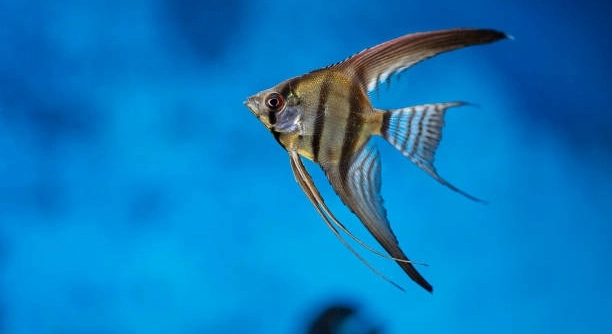
Angelfish are known for their beautiful colors and peaceful nature. However, sometimes they can become victims of bullying in the tank. Recognizing the signs early is crucial to prevent stress and ensure a peaceful environment for all your fish.
If your angelfish is being bullied, signs like fin damage, hiding, loss of appetite, and unusual behavior may become apparent. Bullying often stems from territorial disputes or incompatible tank mates, requiring immediate intervention to ensure the well-being of your fish.
Understanding the causes and signs of bullying in your angelfish can help you take action to prevent further harm. By noticing early indicators, you can provide a better environment and maintain harmony in your tank.
Unusual Hiding Behavior
When angelfish start spending more time hiding, it could be a sign of bullying. Angelfish are usually social and enjoy swimming in open spaces, so if your fish is frequently hiding behind plants or decorations, something is likely wrong. They might feel threatened or stressed by more aggressive tank mates.
Fish that are bullied often retreat to secluded spots to escape harassment. This behavior can result in them becoming more reclusive and less active. Over time, this stress can lead to further health problems like weakened immune systems or poor feeding habits. If you notice your angelfish hiding more than usual, it’s time to assess the tank environment and the behavior of other fish.
Regularly check how your angelfish interacts with others in the tank. It’s important to observe if they have to compete for space or food. Aggressive tank mates can often cause anxiety in angelfish, leading them to hide more often. Adding more hiding spots might help, but addressing the aggressive behavior is crucial to ensure your angelfish feels safe and secure in the tank.
Damaged Fins or Scales
Fin and scale damage is a common indicator that bullying is taking place. This is often seen in angelfish who are being chased or nipped at by more dominant tank mates.
Repeated physical attacks can leave marks on the fish, making them appear stressed. If your angelfish’s fins or scales are frayed or missing, it’s a clear sign that they are not in a peaceful environment.
Aggressive fish may bite at the fins or tails of angelfish, trying to establish dominance or simply harass them. In severe cases, the fish might even injure themselves during these interactions. To prevent further damage, consider adjusting the tank’s layout or moving the more aggressive fish to a separate tank. Taking swift action will help protect your angelfish from further harm and allow them to heal.
Loss of Appetite
If your angelfish suddenly loses interest in food, it could be a sign of stress caused by bullying. Angelfish that are constantly harassed will often stop eating due to fear or anxiety. This lack of appetite can further weaken their immune system.
A stressed angelfish may also refuse food because it is too focused on avoiding aggressive fish. They might feel unsafe while eating or may be intimidated by dominant tank mates. It’s crucial to provide a calm, secure environment to encourage them to eat regularly. Monitor feeding times closely and ensure the bullied angelfish is getting its share of food.
To encourage eating, try separating the bullied fish during feeding or offer food in different areas of the tank. You may also want to add more hiding spaces or rearrange the tank so the angelfish feels safer when it’s time to eat. Taking these steps can help reduce the stress and restore their healthy appetite.
Changes in Swimming Patterns
When bullied, angelfish often show a significant change in their swimming behavior. They may swim erratically or remain in one corner of the tank, avoiding open spaces. This is a clear sign that something is affecting their comfort.
Typically, angelfish swim gracefully, gliding through the water. If they start staying close to the substrate or hiding in plants, it’s a red flag. You may also notice them darting away quickly if other fish approach, or they might freeze and remain motionless for long periods. These signs indicate they are avoiding confrontation and might be stressed.
Aggressive fish can disrupt the natural swimming habits of angelfish by constantly chasing or nipping at them. This can result in the angelfish being less active and more hesitant to swim. The solution is to either separate the aggressive fish or rearrange the tank to create more space for the angelfish to move around freely and confidently.
Aggressive Tank Mates
If you notice your angelfish is being frequently chased, nipped, or bullied by other fish, this could be a sign of aggression. Some fish are naturally more territorial and will target weaker or less dominant tank mates, like angelfish.
Aggressive fish often show behaviors such as chasing, biting, or even blocking the angelfish from hiding or accessing food. These interactions can stress your angelfish, leading to physical and behavioral changes. If aggression persists, it’s best to separate the bullies to ensure a peaceful environment for your angelfish.
Stress-Related Illnesses
Bullying in a tank can lead to stress-related illnesses in angelfish, such as fin rot or fungal infections. Constant harassment weakens their immune system, leaving them more vulnerable to diseases.
When an angelfish is stressed, their body’s ability to fight off infections decreases. This can result in visible symptoms like lesions, cloudy eyes, or discolored patches on their skin. It’s essential to act quickly when you notice signs of illness. Stress and illness go hand in hand, and the sooner you address the bullying, the better their chances of recovery.
Lack of Social Interaction
Angelfish are generally peaceful and enjoy the company of others, but if they’re bullied, they may become isolated. A sudden change in social behavior, such as staying away from other fish, can indicate that bullying is taking place.
In a well-balanced tank, angelfish will swim with their tank mates, but bullying can make them more reclusive. When they start avoiding interaction, it’s a clear sign that something’s wrong. It’s important to monitor their behavior and address any conflict that may be occurring among the fish.
FAQ
What should I do if I notice my angelfish being bullied?
The first step is to identify which fish are causing the bullying. You may need to remove the aggressive fish from the tank or relocate them to another aquarium. Additionally, make sure your angelfish has enough hiding spaces to escape harassment. Rearranging the tank layout can also help by breaking up territories and providing more space for your angelfish to feel secure.
Can bullying cause long-term damage to my angelfish?
Yes, prolonged bullying can lead to both physical and psychological damage to your angelfish. Stress from bullying weakens their immune system, making them more susceptible to diseases. The constant fear and anxiety can also shorten their lifespan. Early intervention is key to preventing long-term health issues.
How can I tell if my angelfish is stressed?
Stress can manifest in several ways. If your angelfish is hiding more than usual, swimming erratically, or showing changes in eating habits, it could be stressed. Other signs include fin damage, changes in coloration, and overall lethargy. If any of these signs are present, bullying may be the cause.
Is it normal for angelfish to fight with each other?
Some aggression between angelfish is normal, especially if they are establishing territories or competing for food. However, if the aggression becomes excessive, such as constant chasing or fin nipping, it may be a sign of bullying. Monitoring their interactions closely can help you differentiate between normal behavior and bullying.
Can I add more fish to the tank to stop bullying?
Adding more fish to the tank can sometimes reduce bullying by spreading aggression across more fish, but it can also make the problem worse if not done carefully. Before introducing new fish, make sure there is enough space and hiding spots to prevent overcrowding. It’s essential to add species that are compatible with angelfish.
How can I reduce bullying in a community tank?
To reduce bullying in a community tank, it’s important to select compatible tank mates. Avoid aggressive or territorial fish that might stress your angelfish. Provide enough hiding spots and swimming space to give all fish their own territory. You may also want to monitor feeding times closely to ensure everyone is getting enough food.
Can bullying cause my angelfish to lose its color?
Yes, stress caused by bullying can lead to a loss of color in your angelfish. When angelfish are stressed, they may become pale or dull. This is often accompanied by other signs of distress, such as hiding or loss of appetite. If you notice color changes, it’s a sign that your fish is under stress and needs attention.
How often should I check on my angelfish if I suspect bullying?
It’s important to observe your angelfish several times throughout the day. Pay attention to their behavior, eating habits, and interactions with other fish. Monitoring their condition consistently will help you catch signs of bullying early, allowing you to take the necessary actions to help them recover.
What are the best tank mates for angelfish to prevent bullying?
Peaceful fish that do not compete for space or food are the best tank mates for angelfish. Fish like tetras, gouramis, and peaceful catfish usually get along well with angelfish. Avoid aggressive fish like cichlids or overly active fish that might stress the angelfish. Researching compatible species before adding them to your tank can prevent bullying.
Should I use medications if my angelfish shows signs of illness from bullying?
Medications should be used only if your angelfish is showing symptoms of illness, such as lesions or a cloudy body. It’s more important to address the root cause of the stress, such as bullying, before focusing on treating the symptoms. Once the aggressive behavior is handled, your angelfish’s immune system may improve without the need for medication.
Can I try to reintroduce the bullied angelfish back into the tank after separating them?
It depends on the situation. If the bullying was caused by one particular fish, you may want to reintroduce the angelfish after moving the aggressor to another tank. However, if the bullying was due to territorial disputes, rearranging the tank and monitoring interactions closely is crucial. Sometimes, gradual reintroductions in a neutral environment work best.
How can I tell if the tank is overcrowded and contributing to bullying?
Overcrowding can cause stress and territorial disputes. If your angelfish is being bullied or stressed, check the tank’s size in relation to the number of fish. A good rule of thumb is one inch of fish per gallon of water. If your tank is overcrowded, consider reducing the number of fish or upgrading to a larger tank.
Do angelfish bully other fish, or is it always the other way around?
While angelfish are generally peaceful, they can become aggressive, especially during breeding or if they feel threatened. However, they tend to be more likely to be the victims of bullying due to their peaceful nature. If an angelfish becomes overly territorial, it might show some aggression, but this is less common.
How can I help my angelfish heal from injuries caused by bullying?
To help your angelfish heal from physical injuries caused by bullying, provide a stress-free environment. Ensure the tank water is clean and at the correct temperature. You may also want to treat the tank with a mild antiseptic if there are open wounds. Keeping the fish in a calm tank will speed up recovery.
Can the behavior of my other fish change after bullying an angelfish?
Yes, the behavior of your other fish may change after they have bullied an angelfish. In some cases, the dominant fish may become more aggressive if they are not removed or monitored closely. Once the angelfish is safe, you should observe all fish closely to ensure the bullying doesn’t continue with other tank mates.
Final Thoughts
Dealing with bullying in a fish tank can be a difficult experience, but it’s essential for the health and happiness of your angelfish. Angelfish are generally peaceful, and any changes in their behavior, like hiding, loss of appetite, or damaged fins, should not be ignored. These signs can indicate stress or bullying from other fish. The earlier you identify the problem, the better you can address it and restore balance in your tank.
If your angelfish is being bullied, the first step is to figure out which fish are causing the problem. Removing aggressive tank mates or giving the bullied fish a safe space to hide can make a big difference. It’s also a good idea to rearrange the tank to break up territories and reduce stress. Sometimes, adding more hiding spots can help your angelfish feel secure. However, it’s important to remember that simply providing hiding spots won’t fix the underlying issue if bullying is the root cause. Addressing aggressive behavior directly is crucial.
Ultimately, a peaceful tank is a healthier tank for all your fish. By observing your angelfish closely and making adjustments to the environment, you can help prevent bullying and ensure that all your fish are living in harmony. A little attention and effort can go a long way in creating a safe and peaceful space for your angelfish to thrive.

Hello,
If you enjoy the content that we create, please consider saying a "Thank You!" by leaving a tip.
Every little bit helps us continue crafting quality advice that supports the health, happiness, and well-being of pets around the world, for pets of all shapes, sizes, and species.
We really appreciate the kindness and support that you show us!