
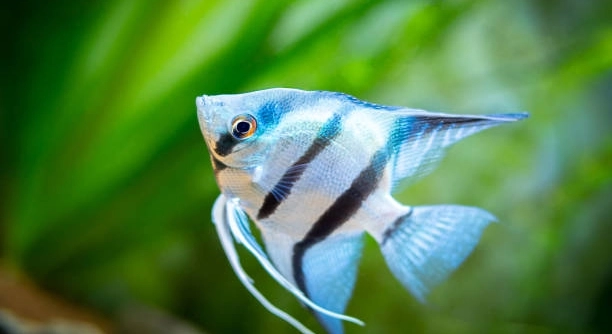
Are your angelfish darting around the tank more than usual or hiding when they used to swim freely and confidently? Changes in behavior can be unsettling, especially when they seem to come out of nowhere.
Angelfish may act skittish due to environmental stress, improper tank mates, sudden changes in water conditions, or lack of hiding spaces. These factors can trigger a fear response, causing them to behave in a more withdrawn or erratic way.
Understanding what’s causing the change in your angelfish’s behavior can help you create a safer, calmer home for them.
Your Tank Might Be Too Noisy
Loud noises and vibrations near your aquarium can make angelfish feel unsafe. These fish are sensitive to sudden sounds, tapping on the glass, or even nearby televisions and speakers. A noisy environment can cause stress, leading to darting, hiding, or refusing to eat. Over time, chronic stress from sound can weaken their immune systems and affect their overall behavior. Moving the tank away from high-traffic areas, turning down the volume, and avoiding any sudden movements around it can make a big difference. A calm, quiet space allows your angelfish to feel secure and act more naturally in their environment.
Keeping noise levels low can help your angelfish feel more relaxed and comfortable in their tank.
Look for signs like frequent hiding, twitching, or rapid swimming when loud sounds occur. If these behaviors match up with noise patterns in your home, it might be time to move your tank to a quieter space.
Water Quality Isn’t Stable
Poor or fluctuating water quality can affect your angelfish’s behavior quickly. Even small changes in pH, ammonia, or temperature can make them uneasy. These fish thrive in stable conditions. If the temperature changes often, or ammonia spikes due to overfeeding or infrequent cleaning, they may become skittish or even aggressive. Always test the water regularly and do partial water changes weekly. A stable pH between 6.5–7.5, temperature between 76–82°F, and zero ammonia or nitrite levels are best. Use a heater to avoid temperature swings and avoid cleaning all the filter media at once to maintain good bacteria. Clean gravel gently and avoid stirring up waste during maintenance. Watch your fish after a water change—if they swim oddly or seem stressed, the new water might not match the old one well enough. Consistency is key when it comes to water parameters, and even small improvements can calm your angelfish noticeably.
Aggressive Tank Mates Can Stress Them
Angelfish don’t do well with aggressive or fast-moving fish. If they’re constantly being chased or bullied, they’ll become skittish and stressed. Watch for signs of nipped fins or avoidance behavior—it usually means they don’t feel safe in the tank.
Pairing angelfish with the wrong species can make the tank feel hostile. Barbs, large cichlids, or overly active fish may compete for space or food, leaving your angelfish anxious. Stress from aggressive tank mates doesn’t just affect their behavior—it can also impact their health over time. Try choosing peaceful fish like tetras, corydoras, or other calm species that share similar tank requirements. When adding new fish, monitor how they interact. If your angelfish stays hidden or swims erratically, it might be a sign to rehome the aggressor or rearrange tank decor to break up sight lines and create a more balanced environment.
Providing safe hiding spots can help reduce stress from unwanted attention. Tall plants, driftwood, or rock caves offer a sense of security for your angelfish. Even if they’re not actively hiding, having options available makes them feel more in control of their space. Over time, this can lead to calmer, more confident behavior and fewer skittish episodes overall.
They’re Still Adjusting to a New Tank
New surroundings can feel overwhelming to angelfish. It takes time for them to adjust to different sights, sounds, and water conditions. During this period, it’s normal for them to hide more often or swim cautiously. They’ll usually become more confident once they feel safe and settled.
Give your angelfish at least a week or two to settle into a new tank. During this time, avoid making changes to decorations or lighting. Keep handling to a minimum and maintain quiet surroundings. Feed them at the same time daily to build a sense of routine. Sudden changes or disruptions can delay their adjustment. If they continue to act scared after several weeks, review the tank setup—look at filtration noise, flow strength, or even how close people pass by. A calm, stable environment helps them gain confidence and show more natural behavior. Patience and consistency really make a difference here.
Lighting May Be Too Harsh
Bright or sudden lighting can startle angelfish. If the lights turn on too quickly or are too strong, your fish might dart away or hide. Gradual lighting changes or using dimmer bulbs can help them feel more comfortable in their surroundings.
Try using floating plants or decorations to soften the lighting. This creates shaded areas where your angelfish can retreat if needed. Consistent lighting schedules also help reduce stress. Avoid switching lights on and off suddenly, especially in a dark room—it’s better to ease them into brightness.
You’re Handling Them Too Often
Angelfish don’t respond well to frequent netting or tank rearrangements. Too much interference makes them nervous and on edge. Limit how often you reach into the tank unless necessary, and always move slowly. Creating a calm, predictable routine helps them feel secure and trust their environment over time.
The Tank is Too Small
Angelfish need enough room to swim comfortably. A cramped tank can make them feel trapped or threatened, especially if space is shared with other fish. A minimum of 20 gallons is best for a single angelfish, with more space for each additional fish.
FAQ
Why is my angelfish staying at the bottom of the tank?
Angelfish may stay at the bottom if they are feeling stressed, unwell, or dealing with water quality issues. It could also be a sign of low oxygen levels, especially if the tank is overcrowded or if the filter is not functioning properly. Another reason could be aggression from other fish. Make sure the water parameters are within the ideal range and check for any visible signs of disease. If they’re not eating or acting unusually, it’s a good idea to separate them from other fish and monitor their condition closely.
How can I make my angelfish feel more comfortable in the tank?
Providing plenty of hiding spots with plants, rocks, or driftwood can help angelfish feel safer. They also appreciate a consistent environment, so try to avoid drastic changes in lighting, water temperature, or decorations. Regular water changes, a steady feeding routine, and peaceful tank mates will reduce stress and allow your angelfish to thrive.
What do I do if my angelfish is swimming erratically?
Erratic swimming can be a sign of stress, illness, or poor water conditions. Check the water temperature, pH, ammonia, and nitrate levels to ensure they are within the proper range. If the water is fine, your angelfish could be reacting to aggressive tank mates or changes in the environment. A lack of space or poor water flow could also contribute to erratic movements. If the problem persists, consider isolating your fish for further observation.
Is my angelfish sick, or just stressed?
It can be difficult to tell whether your angelfish is sick or simply stressed. Stress can manifest as hiding, reduced activity, or loss of appetite. Illness, on the other hand, is often marked by visible symptoms like white spots, bloating, or frayed fins. If your fish is behaving oddly but has no physical signs of illness, it’s likely stress. Always rule out water quality issues before assuming stress is the cause. If physical symptoms appear, consider researching common angelfish diseases or consult an aquarium professional.
How can I tell if my angelfish is in pain?
Pain in fish can be hard to detect, but changes in swimming behavior, hiding more often, or a loss of appetite are common signs. Physical signs like bloating, damaged fins, or open wounds could also suggest injury or discomfort. If you suspect your fish is in pain, isolate them in a separate tank with clean, warm water and minimal disturbance. Consulting a vet who specializes in fish can provide further guidance.
Do angelfish get lonely?
Angelfish are social fish but they don’t require constant companionship. They can coexist with other peaceful fish as long as they have enough space. However, they do prefer a calm environment and can be sensitive to aggressive tank mates. If kept alone, they may show signs of boredom, but they generally thrive better when there are other fish around, especially those that share similar tank conditions.
How do I deal with angelfish aggression?
Angelfish can become aggressive, especially during mating seasons or if they feel their territory is being threatened. To reduce aggression, ensure your tank is large enough for each fish, and provide plenty of hiding spaces. Keep a peaceful community of fish that aren’t too competitive for food or space. If aggression persists, it may be necessary to separate aggressive individuals or rearrange the tank to break territorial lines.
Why is my angelfish turning dark?
Darkening of the skin is often a sign of stress. Changes in water quality, poor tank mates, or improper feeding can lead to this behavior. Angelfish may also darken if they’re not feeling safe or are dealing with an infection. Ensure the water conditions are optimal and consider whether there are any environmental factors causing stress. If the darkening continues, check for any other symptoms of illness.
Can angelfish live with other species?
Yes, angelfish can live with other species, but they require peaceful tank mates that won’t stress or provoke them. Smaller, calmer fish like tetras, guppies, and corydoras are often suitable tank mates. Avoid keeping angelfish with aggressive or territorial species, as this can lead to stress and injury. Always research the compatibility of potential tank mates before adding them to your setup.
How often should I feed my angelfish?
Angelfish should be fed once or twice a day with a balanced diet, consisting of high-quality flakes, pellets, or frozen food like bloodworms or brine shrimp. Overfeeding can lead to poor water quality and health problems, so make sure to remove any uneaten food after about 5 minutes. Offering a variety of foods will ensure they receive all necessary nutrients and keep them healthy.
Why isn’t my angelfish eating?
A loss of appetite can indicate stress, illness, or water quality issues. Check for any signs of disease, such as cloudy eyes, faded colors, or abnormal behavior. If the water quality is poor, it can make your angelfish reluctant to eat. Ensure the temperature and pH are within the ideal range and that there are no aggressive tank mates. If they continue to refuse food, it might be time to isolate them for observation or consult a specialist.
Final Thoughts
Angelfish are beautiful and delicate creatures that require a stable, peaceful environment to thrive. If your angelfish is acting skittish or stressed, it’s often due to factors like water quality, tank mates, or their environment. Small changes in these areas can make a big difference in how they behave. Understanding the needs of your fish and providing them with a comfortable habitat will help them feel secure and less anxious.
It’s important to remember that angelfish, like all pets, need care and attention. Maintaining the right water conditions, providing suitable tank mates, and offering a calm atmosphere are essential to their well-being. A little patience and observation can help you identify the cause of your fish’s behavior. Over time, you’ll learn how to recognize when something is wrong and take action quickly. Whether it’s adjusting the water temperature, changing their diet, or moving them to a quieter location, being proactive will ensure they are happy and healthy.
Finally, if you continue to see signs of stress or unusual behavior, it may be worth seeking advice from a professional or a local aquarium store. Sometimes, even after making adjustments to their environment, there may be underlying issues that need expert attention. Keeping an eye on your angelfish and being responsive to their needs will help them live a long and peaceful life in your care.

Hello,
If you enjoy the content that we create, please consider saying a "Thank You!" by leaving a tip.
Every little bit helps us continue crafting quality advice that supports the health, happiness, and well-being of pets around the world, for pets of all shapes, sizes, and species.
We really appreciate the kindness and support that you show us!