
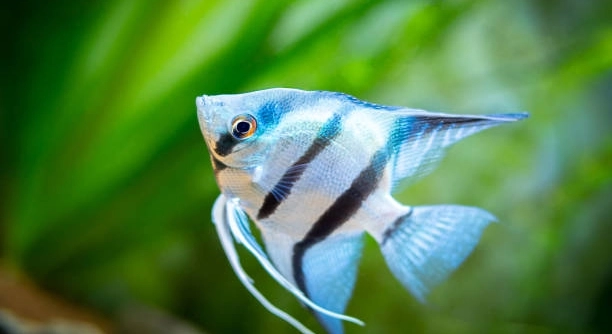
Angelfish are known for their graceful movements and vibrant colors. However, when they begin to float but struggle to swim, it can cause concern for their owners. Understanding why this happens can be crucial to their health.
The main cause of floating angelfish is an internal issue, often related to swim bladder disease. Factors such as poor diet, water temperature, or bacterial infections can lead to this condition, affecting their buoyancy and swimming ability.
Understanding these potential causes will help address the issue and restore your angelfish’s health, ensuring a happier, more active fish in your tank.
Swim Bladder Disease: The Primary Cause
Swim bladder disease is a common reason for angelfish to float without being able to swim properly. This organ helps fish maintain their buoyancy and control their movement in the water. When it malfunctions, it can result in the fish becoming unable to control its position in the tank. The disease can be caused by a number of factors, including overfeeding, poor diet, or stress from changes in the water environment. Angelfish affected by this condition often float to the surface or sink to the bottom.
Sometimes, swim bladder disease is related to bacterial infections that affect the bladder’s function. It can also result from physical damage, such as a fish bumping into decorations or tank walls. Symptoms may include erratic swimming, floating sideways, or struggling to stay balanced in the water. Treatment often involves isolating the affected fish, adjusting water conditions, and possibly adding medications to treat any infections.
In severe cases, swim bladder disease can lead to long-term difficulty in swimming, affecting the fish’s quality of life. It’s essential to address the issue early on to prevent further complications.
Poor Diet and Overfeeding
A poor diet can lead to digestive issues in angelfish. Overfeeding is a common issue among aquarium owners, which can contribute to swim bladder problems.
Feeding your angelfish too much or giving them low-quality food can cause bloating or constipation, both of which put pressure on the swim bladder. This pressure can interfere with the fish’s ability to swim normally. To help prevent this, offer high-quality food in small amounts that your fish can consume in a few minutes.
A balanced diet with high-quality pellets, frozen foods, or live food ensures proper digestion and reduces the risk of internal issues. Monitoring feeding habits and avoiding overfeeding is key in maintaining a healthy angelfish.
Water Temperature and Quality
Incorrect water temperature or poor water quality can contribute to swim bladder issues in angelfish. Water that is too warm or too cold affects the fish’s metabolism and immune system.
If the temperature fluctuates too much or is not within the ideal range (74–82°F), the angelfish’s internal systems may not function properly. Stressed fish are also more likely to develop swim bladder problems. Keeping a consistent temperature in the tank is crucial for maintaining healthy fish. Regularly monitor the water’s temperature with a reliable thermometer and adjust heaters as needed.
Along with temperature, water quality plays a significant role. Ammonia, nitrite, and nitrate levels must be monitored and kept at safe levels. High levels of toxins in the water can weaken the angelfish and increase susceptibility to diseases, including those affecting buoyancy. Perform regular water changes and invest in a good filtration system to maintain a healthy tank environment.
Tank Stress and Physical Injuries
Stress is another factor that can contribute to floatation issues in angelfish. Physical injuries from sharp tank decorations or other fish can affect their ability to swim.
Angelfish, when stressed, might also swim erratically or avoid eating, both of which can lead to more severe problems. Stress can be caused by sudden changes in the environment, overcrowding, or even bullying from other fish. These factors weaken the immune system and make the fish more susceptible to diseases.
To reduce stress, make sure your tank has plenty of hiding spots, and avoid placing aggressive fish with angelfish. Additionally, keep an eye on tankmates and remove any that cause distress.
Infection and Illness
Bacterial infections are common causes of swimming difficulties in angelfish. These infections can affect internal organs, including the swim bladder, impairing the fish’s ability to stay afloat.
Infections often lead to symptoms such as swollen bodies, erratic swimming, or difficulty maintaining balance. If left untreated, infections can worsen and lead to other health problems. Treatment typically involves isolating the infected fish, using antibiotics, and maintaining clean water conditions to prevent further spread.
Constipation
Constipation in angelfish can put pressure on the swim bladder, causing floating or difficulty swimming. This can happen if the fish is overfed or lacks proper fiber in its diet.
Angelfish suffering from constipation may show signs of bloating or difficulty swimming properly. Offering a variety of foods, including live or frozen options, can help alleviate constipation and restore proper digestion.
Genetics and Deformities
Genetic factors and deformities can also contribute to swim bladder problems in angelfish. Some fish may inherit genetic defects that affect their internal organs, including the swim bladder.
Genetic defects can result in weakened swim bladder function, causing floating or difficulty swimming. While there is no cure for genetic defects, proper care and a stable tank environment can help minimize the effects and ensure the fish’s overall health.
FAQ
What is swim bladder disease in angelfish?
Swim bladder disease occurs when the swim bladder, an organ responsible for helping fish control their buoyancy, is impaired. Angelfish with this condition often struggle to swim and may float uncontrollably. Causes include poor diet, bacterial infections, stress, or physical injury. Treatment typically involves adjusting water conditions, isolating the fish, and sometimes using medications to target infections.
How can I treat swim bladder disease in angelfish?
Treatment for swim bladder disease depends on the cause. If overfeeding or constipation is the issue, fasting the fish for 2-3 days can help, followed by feeding high-quality, fiber-rich food. For bacterial infections, antibiotics may be necessary. If water quality is poor, perform water changes and adjust the temperature. In some cases, more serious interventions might be required.
Can overfeeding cause floating problems in angelfish?
Yes, overfeeding is a common cause of floating issues. Overfeeding can lead to constipation or bloating, both of which can put pressure on the swim bladder. This pressure makes it difficult for angelfish to maintain normal buoyancy. To prevent overfeeding, feed your fish in small amounts that they can consume within a few minutes.
Is there a way to prevent swim bladder disease?
Preventing swim bladder disease starts with maintaining proper water conditions and a balanced diet. Regular water changes, keeping the water temperature stable, and monitoring ammonia and nitrate levels can help prevent stress. Avoid overfeeding your angelfish, and provide high-quality food with fiber to support digestion. Regular observation of your fish for signs of illness is also key to early detection.
Why is my angelfish swimming upside down?
Swimming upside down is a sign that your angelfish is likely suffering from swim bladder disease or a similar issue affecting buoyancy. It can be caused by constipation, internal injury, infection, or poor water quality. First, isolate the fish and address possible dietary or water quality issues. Treatment depends on the cause of the condition.
How do I know if my angelfish has a bacterial infection?
Bacterial infections in angelfish can present as swelling, discoloration, lesions, or erratic swimming. The fish may also have trouble maintaining balance or swim normally. If you notice these symptoms, it’s important to isolate the fish and treat it with antibiotics. Maintaining good water quality and minimizing stress can also help prevent infections.
Can stress cause floating issues in angelfish?
Yes, stress is a significant factor in swim bladder problems. Stress can result from poor water conditions, overcrowding, or aggressive tankmates. Stress weakens the immune system and makes fish more susceptible to diseases that affect buoyancy. To reduce stress, ensure that your angelfish is kept in a peaceful environment with optimal water conditions.
How do I adjust the water temperature for my angelfish?
Angelfish thrive in water temperatures between 74°F and 82°F. To maintain a stable temperature, invest in a reliable aquarium heater. Use a thermometer to monitor the water’s temperature regularly. Avoid drastic temperature changes, as sudden shifts can cause stress and contribute to swim bladder issues.
Can angelfish recover from swim bladder disease?
Yes, many angelfish can recover from swim bladder disease, especially if the condition is caught early. Treatment often involves improving diet, maintaining proper water quality, and isolating the affected fish. In cases where an infection is present, antibiotics may be required. With proper care, many angelfish can regain normal buoyancy and swimming ability.
What should I do if my angelfish is constantly floating to the surface?
If your angelfish is floating to the surface and struggling to swim, it could be suffering from swim bladder disease. First, check the water temperature and quality to ensure they are within the ideal range. If the issue persists, consider fasting the fish for a few days to rule out constipation. If the condition continues, consult with a veterinarian to determine if an infection is present.
How can I prevent constipation in my angelfish?
To prevent constipation, offer your angelfish a balanced diet with high-quality food and provide a variety of live or frozen foods. Avoid overfeeding, as this can lead to digestive issues. Additionally, make sure the water quality is optimal, as poor water conditions can exacerbate constipation problems. Regularly monitor feeding habits to ensure the fish is not being overfed.
Final Thoughts
Swim bladder issues in angelfish are often a result of multiple factors, such as poor water quality, stress, diet, or infections. Identifying the root cause is crucial for effective treatment. Regular water changes, proper tank maintenance, and a balanced diet are key to keeping your angelfish healthy and preventing these issues from occurring. Paying close attention to your fish’s behavior and environment will help catch problems early, leading to quicker recovery and a healthier fish.
In cases where swim bladder disease or floating issues occur, it’s important to remain patient and consistent with treatment. For constipation, fasting the fish for a few days can often resolve the problem. If an infection is suspected, using antibiotics or other treatments can help. It’s also helpful to isolate the affected fish in a separate tank to prevent the spread of any potential illness. Monitoring the fish during recovery will allow you to adjust your approach as needed, ensuring that it gets back to normal.
By focusing on providing a stable and stress-free environment, feeding a nutritious and varied diet, and maintaining optimal water conditions, you can reduce the likelihood of swim bladder issues in the future. Regularly checking your angelfish’s health and behavior will help keep your fish happy and thriving. Whether you’re a beginner or experienced fishkeeper, staying informed about common health issues is an essential part of responsible care.

Hello,
If you enjoy the content that we create, please consider saying a "Thank You!" by leaving a tip.
Every little bit helps us continue crafting quality advice that supports the health, happiness, and well-being of pets around the world, for pets of all shapes, sizes, and species.
We really appreciate the kindness and support that you show us!