
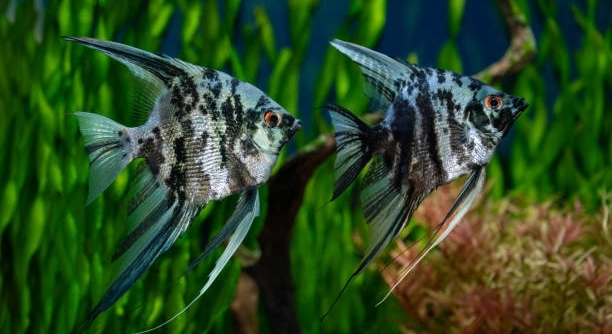
High water temperature can cause stress for your angelfish, affecting their health. Recognizing the signs of overheating can help ensure your aquarium remains a safe environment for these delicate fish.
The primary cause of excessive water temperature in aquariums is poor tank ventilation or a malfunctioning heater. A higher-than-normal temperature can lead to lethargy, breathing difficulties, and even death if not corrected quickly.
Recognizing these signs early can help maintain a balanced tank environment, promoting the well-being of your angelfish.
Signs of Overheating in Angelfish
When the water temperature in your tank becomes too high, your angelfish may start to show visible signs of stress. One clear indicator is their reduced activity level. Overheated fish may spend most of their time near the bottom of the tank, moving slowly or even staying still. Another sign is rapid gill movement. This happens as your angelfish attempts to get more oxygen due to the warmer water, which holds less dissolved oxygen. If the water temperature continues to rise, your angelfish may start to swim erratically or show signs of labored breathing.
High temperatures can also affect their feeding behavior. Angelfish may lose their appetite or become less interested in food. This is because the elevated temperature disrupts their metabolism, causing them to feel less energetic and more stressed. The fish might also start to exhibit discoloration, with their usual vibrant colors fading to a duller tone as a response to environmental stress.
Another consequence of higher water temperatures is the increased likelihood of disease outbreaks. Warmer conditions can weaken your angelfish’s immune system, making them more susceptible to infections. If the temperature stays high for prolonged periods, you may notice spots, lesions, or abnormal growths on your fish’s body.
How to Prevent Overheating
To avoid temperature-related stress, check your tank’s temperature regularly.
Ensure your tank has proper filtration and is not placed in direct sunlight. A cooling fan or aquarium chiller can also help maintain a stable temperature.
Water Temperature Guidelines for Angelfish
Angelfish thrive in a stable temperature range between 76°F and 82°F (24°C to 28°C). Keeping the water within this range helps maintain their health and activity levels. Any fluctuation outside this range, especially higher temperatures, can lead to stress and health issues.
Using a reliable aquarium thermometer will help you monitor the water temperature accurately. It is also important to check that your heater is functioning correctly, as an unreliable heater can cause temperature spikes. Always avoid placing your tank in direct sunlight or near heat sources, as these can cause sudden increases in temperature.
If you notice that the water temperature exceeds the recommended range, it is essential to act quickly. Consider using a cooling fan, lowering the tank’s water level, or increasing the aeration to improve oxygen levels. Keeping the tank in a well-ventilated area can also help prevent overheating during warmer months.
Effects of Long-Term High Water Temperatures
Long-term exposure to high water temperatures can have severe consequences for your angelfish. Over time, it can weaken their immune system, making them more vulnerable to diseases. This can also affect their growth rate, causing stunted growth or poor development.
When the water temperature remains elevated for an extended period, it can lead to chronic stress in angelfish. Stress, in turn, increases the likelihood of aggressive behavior, reduced breeding success, and even premature death. In some cases, prolonged heat stress may cause permanent damage to internal organs, particularly the liver and kidneys.
Maintaining a stable and ideal temperature range is essential for the long-term well-being of your angelfish. Sudden temperature changes can also shock their system, so make adjustments gradually. Consistent care, proper equipment, and monitoring can help prevent these long-term effects.
Identifying Early Signs of Heat Stress
One of the first signs of heat stress is changes in your angelfish’s behavior. They may move slower, breathe rapidly, or stay in the cooler areas of the tank. Pay attention to these early indicators, as they can help prevent further damage.
Changes in color and appetite also indicate heat stress. Angelfish may lose their bright, vibrant colors, appearing dull or pale. They may refuse food due to stress, affecting their overall health. Keep an eye on these signs to identify issues early on.
The Role of Tank Size and Water Volume
The size of your aquarium plays a critical role in maintaining a stable temperature. A larger tank holds heat better and more evenly, reducing the chances of extreme temperature fluctuations. In contrast, a smaller tank heats up faster, causing temperature spikes.
Increasing the water volume in a tank can help buffer against temperature changes. The larger the volume, the more time it takes for the water to heat up or cool down. Keeping the right tank size is essential for temperature control.
Importance of Aeration and Oxygen Levels
Oxygen levels are crucial for angelfish, especially in warmer water. Higher temperatures reduce the amount of oxygen dissolved in the water. Therefore, good aeration is vital. Adding an air pump or sponge filter can help maintain oxygen levels, keeping your fish healthier.
FAQ
What is the ideal water temperature for angelfish?
The ideal water temperature for angelfish is between 76°F and 82°F (24°C to 28°C). Keeping the water within this range ensures that your angelfish remain healthy and active. Temperatures outside of this range can cause stress, lethargy, and other health problems.
How do I know if my angelfish water temperature is too high?
Signs that your angelfish water temperature is too high include rapid gill movement, lethargy, or erratic swimming. Angelfish may also hide at the bottom of the tank or near cooler areas. Discoloration and loss of appetite are also indicators of stress caused by high water temperature.
What can I do if the water temperature in my tank is too high?
If your tank’s water temperature is too high, first remove the heat source by adjusting or replacing the heater. Adding a cooling fan can help lower the temperature. You can also increase the aeration by adding an air pump or sponge filter to improve oxygen levels.
Can angelfish survive in warm water?
Angelfish can survive in warm water as long as the temperature stays within their optimal range of 76°F to 82°F (24°C to 28°C). However, prolonged exposure to temperatures higher than this range can weaken their immune system, stress them out, and even cause death.
How can I prevent temperature fluctuations in my aquarium?
To prevent temperature fluctuations, keep your aquarium in a stable location, away from direct sunlight or drafts. Ensure that your heater is functioning properly, and consider using a thermostat to maintain the water at a consistent temperature. Regularly check the temperature to avoid surprises.
What is the best way to cool down water in a tank?
To cool down water in an aquarium, you can add a cooling fan aimed at the surface to encourage evaporation, which will reduce temperature. Lowering the water level slightly may also help, as it increases water movement and cooling. Additionally, consider installing an aquarium chiller for more extreme cases.
How do temperature changes affect angelfish health?
Temperature changes, especially sudden shifts, can shock angelfish, making them stressed or disoriented. This can lead to health problems like weakened immune systems, respiratory issues, and a higher risk of disease. Rapid changes in temperature can also cause your angelfish to stop feeding or become more aggressive.
Why is my angelfish breathing fast?
Fast breathing in angelfish is often a sign of stress or low oxygen levels, which can be caused by high water temperatures. When the water is too warm, the oxygen dissolved in it decreases, and your angelfish will work harder to get enough oxygen, resulting in rapid gill movement.
Can high water temperatures cause diseases in angelfish?
Yes, high water temperatures weaken the immune system of angelfish, making them more susceptible to diseases. Bacteria and parasites thrive in warmer conditions, increasing the risk of infections like ich or fungal diseases. Maintaining a stable temperature helps keep your angelfish healthy and less vulnerable to illness.
How can I ensure my angelfish tank stays within the right temperature range?
To keep your angelfish tank within the proper temperature range, use a reliable aquarium thermometer to monitor the water regularly. Invest in a high-quality heater with an automatic shut-off feature. Additionally, avoid placing the tank in areas with fluctuating temperatures, such as near windows or air conditioning vents.
What are the signs of a stressed angelfish?
Stressed angelfish show signs like fading colors, lack of appetite, erratic swimming, and hiding. High water temperatures, poor water quality, or aggressive tank mates can all cause stress. Addressing these issues quickly can help your angelfish return to a healthy state.
Should I use a heater in my angelfish tank?
Yes, a heater is important for maintaining a stable temperature in your angelfish tank, especially if you live in an area with fluctuating room temperatures. Be sure to use a heater that matches the size of your tank and check the temperature regularly to avoid overheating.
Can water temperature affect angelfish breeding?
Yes, temperature can impact angelfish breeding. If the water is too warm, it can cause stress, leading to reduced breeding success. On the other hand, if the water is too cold, it can prevent the fish from spawning altogether. Keeping the temperature within the ideal range encourages breeding.
What is the safest way to adjust water temperature for angelfish?
When adjusting the water temperature for angelfish, do so gradually. Sudden changes can shock the fish. If you need to raise the temperature, increase it by no more than 1-2°F per day. Cooling the water can also be done slowly using a fan or chiller.
How can I improve oxygen levels in warm water?
In warmer water, oxygen levels decrease. To improve oxygen levels, increase water movement using a sponge filter, air pump, or a powerhead. Surface agitation also helps oxygenate the water, as it encourages gas exchange. Ensure the tank is well-ventilated to keep oxygen levels balanced.
Can high water temperature affect my angelfish’s growth?
Yes, high water temperatures can affect the growth rate of angelfish. When the water is too warm, their metabolism speeds up, which can cause them to become stressed and stop growing properly. Maintaining the right temperature helps ensure healthy and consistent growth.
Do angelfish prefer cooler or warmer water?
Angelfish prefer warm water, but it should not exceed 82°F (28°C). Water that is too warm or too cold can cause stress and reduce their overall well-being. The ideal temperature range is between 76°F and 82°F, where they can thrive and maintain healthy activity levels.
Final Thoughts
Maintaining the correct water temperature for your angelfish is vital for their overall health. Too high or too low of a temperature can lead to stress, slow growth, or even death. By keeping the water temperature between 76°F and 82°F (24°C to 28°C), you ensure your angelfish remain active and vibrant. Monitoring the temperature regularly with a reliable thermometer and adjusting the tank’s heater when needed can prevent most temperature-related issues.
When the water temperature becomes too high, the effects on angelfish are noticeable. They may swim erratically, breathe rapidly, or lose their appetite. The heat stress can weaken their immune system, making them more vulnerable to diseases. Ensuring proper aeration and water movement can help alleviate some of the effects by increasing oxygen levels. In extreme cases, a cooling fan or an aquarium chiller can be used to reduce the temperature safely. Always make adjustments gradually to avoid further stressing your fish.
Taking a proactive approach to tank maintenance can prevent temperature problems from becoming severe. Proper tank placement, along with regular monitoring, can ensure a stable environment for your angelfish. This includes avoiding placing your tank near windows, heaters, or air conditioning units, as they can cause temperature fluctuations. Keeping a consistent temperature will not only improve your angelfish’s quality of life but also enhance their chances of thriving for many years.

Hello,
If you enjoy the content that we create, please consider saying a "Thank You!" by leaving a tip.
Every little bit helps us continue crafting quality advice that supports the health, happiness, and well-being of pets around the world, for pets of all shapes, sizes, and species.
We really appreciate the kindness and support that you show us!