
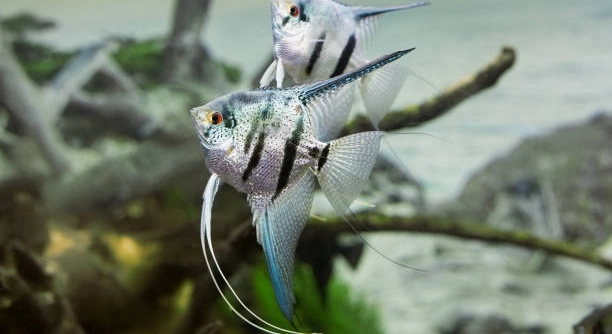
Are your angelfish hiding more often, refusing to eat, or acting more aggressive than usual? Stress may be affecting their behavior and overall health, making it harder for them to thrive in their aquarium.
Several factors can cause stress in angelfish, including poor water conditions, inadequate tank size, inconsistent feeding schedules, and incompatible tank mates. Identifying and correcting these stressors is essential to maintain their physical health and promote balanced, natural behavior.
Knowing what affects your angelfish will help you create a calmer, healthier environment and improve their quality of life.
Poor Water Quality
Poor water quality is one of the most common stressors for angelfish. These fish are sensitive to changes in ammonia, nitrite, nitrate, and pH levels. When water parameters are off, angelfish may become lethargic, lose color, or show erratic swimming behavior. Unclean tanks also promote harmful bacteria growth, increasing the risk of disease. Regular water testing and weekly partial water changes are essential to keeping the tank stable. Make sure to use a dechlorinator and avoid overfeeding, as leftover food can quickly degrade water quality. A clean, stable environment helps angelfish stay active, healthy, and stress-free.
Keep your angelfish’s water temperature between 76°F and 82°F and maintain consistent filtration to prevent sudden fluctuations in water conditions.
Always monitor the tank using test kits. Test ammonia, nitrite, and nitrate levels weekly. Maintain a regular cleaning schedule and avoid overcrowding the tank. Consistency in maintenance plays a major role in your angelfish’s comfort.
Inadequate Tank Size
Angelfish need space to swim freely and grow comfortably. A small tank can lead to stunted growth, aggression, and territorial stress. A single angelfish should have at least a 20-gallon tank, while groups require 30 gallons or more.
Cramped tanks increase stress and make it harder to maintain stable water conditions. Angelfish are tall-bodied fish that require not only horizontal space but also vertical room. Without enough space, they may become aggressive or withdrawn. In group settings, competition over territory becomes more intense in smaller tanks, often leading to fin damage and long-term behavioral issues. When upgrading, choose tanks that are taller rather than wide to accommodate their natural body shape. A larger tank also makes filtration and heating more effective, supporting long-term health. To reduce stress, ensure the tank setup allows for hiding spots, open swimming space, and stable water flow. Proper tank sizing is key to building a calm environment.
Incompatible Tank Mates
Keeping angelfish with aggressive or fast-moving species can create stress. Angelfish are semi-aggressive and do best with peaceful fish that won’t nip at their fins or compete heavily during feeding.
Fish like barbs or aggressive cichlids often stress angelfish by chasing or harassing them. This leads to injuries, hiding behavior, and loss of appetite. Choose calm tank mates like corydoras, peaceful tetras, or gouramis. Always avoid pairing them with fin-nippers or overly territorial fish. Introduce new tank mates slowly and watch for signs of stress, like clamped fins or hiding. If aggressive behavior continues, separate the fish to prevent long-term health problems. Compatible species create a stable social environment that supports angelfish behavior and health.
Stress from poor social dynamics often causes long-term harm. Once harassed, angelfish may stay withdrawn even after the problem is resolved. Keeping compatible companions avoids this issue. Monitor all interactions and act quickly if aggression appears.
Unstable Lighting and Noise
Sudden changes in lighting or loud noises near the tank can unsettle angelfish. Bright, abrupt light or constant movement can make them nervous. Keep lighting on a timer and avoid tapping or placing the tank in busy areas.
Loud TVs, slamming doors, or speakers placed too close to the aquarium can disrupt the angelfish’s sense of safety. These fish are sensitive to vibration and movement. Placing their tank in a calm, quiet spot helps reduce stress. Use a consistent day-night lighting schedule, ideally 8 to 12 hours of light each day, and avoid turning lights on or off suddenly. Soft lighting and a gentle transition from light to dark keeps their internal clock in sync. Even routine tank maintenance should be done calmly to avoid startling them. Creating a low-stress environment with stable lighting and minimal noise will help angelfish remain calm and healthy.
Inconsistent Feeding Schedule
Feeding your angelfish at random times can cause stress. A predictable routine helps them feel secure. Try feeding once or twice daily at the same time to support healthy digestion and reduce anxiety.
Overfeeding or underfeeding can also lead to stress. Offer only what they can eat in two minutes to prevent uneaten food from polluting the tank.
Lack of Hiding Spots
Angelfish need hiding places to feel safe, especially when stressed or during breeding. Without cover, they may stay exposed, becoming more anxious. Use plants, driftwood, or decorations to create quiet zones within the tank. This gives them control over their space and lowers stress levels.
Overcrowding
Too many fish in one tank increases competition for space and resources. This can lead to territorial behavior, injuries, and unstable water conditions. Keep stocking levels within the recommended limits to ensure angelfish have room to swim and relax.
FAQ
How can I tell if my angelfish is stressed?
Angelfish show signs of stress through behaviors like hiding, loss of appetite, erratic swimming, or a decrease in color vibrancy. They may also exhibit rapid gill movement or hover near the bottom of the tank. Monitor your fish closely, as prolonged stress can lead to illness.
What water conditions are ideal for angelfish?
Angelfish thrive in water with a temperature range of 76°F to 82°F and a pH level between 6.8 and 7.8. Keep ammonia and nitrite levels at 0 ppm and nitrates below 20 ppm. Regular water changes and using a reliable filtration system ensure these parameters stay stable.
Can angelfish live with other species?
Yes, but angelfish should only be kept with peaceful tank mates that won’t compete for food or territory. Fish like tetras, peaceful cichlids, and corydoras are good choices. Avoid keeping them with fin-nippers or overly aggressive fish, as they may cause stress and injury.
How often should I feed my angelfish?
Feed angelfish once or twice a day, offering only what they can consume in 2 to 3 minutes. This helps maintain water quality and ensures they get the right amount of nutrition. Overfeeding can lead to water pollution and health problems.
Why is my angelfish not eating?
Loss of appetite in angelfish can result from stress, poor water quality, illness, or environmental changes. Ensure the water parameters are optimal, the tank is not overcrowded, and that tank mates aren’t causing stress. If the issue persists, consider isolating the fish for treatment.
What should I do if my angelfish has damaged fins?
Damaged fins can occur from aggression or poor water quality. First, assess the tank environment to ensure it is safe and stress-free. Perform a water change to improve water conditions, and use aquarium salt to promote healing. If necessary, quarantine the injured fish to prevent further injury or infection.
How can I reduce stress in my angelfish?
To reduce stress, ensure your angelfish have enough space to swim, a consistent feeding schedule, and appropriate tank mates. Keep the water clean and stable, minimize noise and light changes, and provide plenty of hiding spots. Keeping the environment as calm as possible promotes their well-being.
How do I clean my angelfish tank?
Perform regular water changes (about 25-30% every week) and clean the substrate with a siphon to remove debris. Clean the filter monthly to maintain proper water circulation. Avoid removing too much water at once, as this can stress your fish. Ensure any cleaning agents used are aquarium-safe.
Can angelfish live in a community tank?
Yes, angelfish can live in a community tank, but it’s essential to select compatible species. Peaceful fish like tetras and catfish work well. Avoid keeping them with fin-nippers or overly aggressive species, as this can cause stress and result in damage to the angelfish’s fins.
How do I breed angelfish?
To breed angelfish, provide a stable tank with clean water, adequate space, and vertical surfaces for laying eggs. A slightly acidic pH and a temperature of 80°F encourage breeding. It’s important to keep the water clean and provide a balanced diet. Once the eggs are laid, the parents will guard them, and the fry will hatch in 2 to 3 days.
Are angelfish aggressive?
Angelfish are generally semi-aggressive, especially when breeding or protecting their territory. They may exhibit aggression toward smaller or weaker fish. However, they can live peacefully with other calm fish when given adequate space and proper care. Keep them in groups of 3 or more to reduce aggression.
What size tank is best for angelfish?
A 20-gallon tank is the minimum size for a single angelfish. For a pair, a 30-gallon tank is recommended. Larger tanks, 55 gallons or more, are ideal if you plan to keep a group of angelfish. This ensures enough space for swimming, reduces stress, and allows proper filtration.
How do I treat sick angelfish?
If your angelfish shows signs of illness like faded color, abnormal swimming, or spots on the skin, it’s crucial to quarantine the fish immediately to prevent the spread of disease. Perform a water change and check water parameters. Use aquarium medication as needed based on the symptoms, and consult an aquarium professional if the issue persists.
Can angelfish live alone?
While angelfish can live alone, they may become stressed or lonely over time. Keeping at least two or three angelfish together allows them to interact and helps reduce stress. However, if you have a smaller tank, keeping a single angelfish can be sufficient if they are the only fish.
Final Thoughts
Angelfish can be a beautiful and rewarding addition to your aquarium, but they do require proper care to thrive. Understanding the factors that can stress them out, such as incompatible tank mates, poor water conditions, or unstable lighting, is essential for ensuring their well-being. By maintaining a consistent environment, you can reduce stress and promote a healthy, happy fish. Angelfish are delicate and sensitive to changes, so taking the time to address their needs will make a significant difference in their health and behavior.
It’s important to remember that angelfish are not high-maintenance pets, but they do require attention to their tank setup. Keeping their tank clean, feeding them the right amount, and selecting compatible tank mates will go a long way in reducing stress. Furthermore, ensuring the tank environment is stable in terms of temperature, lighting, and noise will help them feel secure. Small changes, like adding more plants for hiding spots or adjusting the water flow, can have a big impact on how they react to their environment.
By learning the signs of stress and taking proactive steps, you can keep your angelfish healthy and happy for a long time. It’s a rewarding experience to see them flourish when given the right care. With the right balance of attention to their needs, angelfish can bring vibrant colors and a peaceful atmosphere to your tank. Keep in mind the importance of maintaining a steady routine, and your angelfish will thrive in a stress-free environment.

Hello,
If you enjoy the content that we create, please consider saying a "Thank You!" by leaving a tip.
Every little bit helps us continue crafting quality advice that supports the health, happiness, and well-being of pets around the world, for pets of all shapes, sizes, and species.
We really appreciate the kindness and support that you show us!