
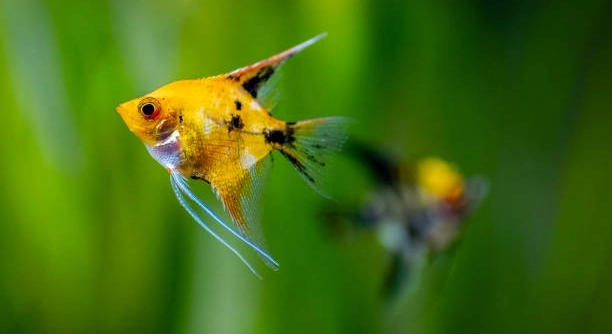
Angelfish are graceful and peaceful creatures that bring beauty to any aquarium. However, if you’ve noticed your angelfish rubbing against the glass, it’s important to understand what this behavior means for their health and environment.
Rubbing against the glass can indicate that your angelfish are experiencing stress, irritation, or discomfort. This behavior may be caused by factors like poor water quality, parasites, or even territorial disputes.
By understanding the reasons behind this behavior, you can provide your angelfish with the proper care and environment they need to thrive. Exploring these potential causes will help you keep your fish healthy and happy.
Poor Water Quality
Angelfish are very sensitive to water quality, and even small changes in their environment can lead to noticeable behavior changes. If the water in your tank is too dirty or has imbalanced parameters, like improper pH, ammonia, or nitrate levels, your angelfish may start rubbing against the glass. This is their way of dealing with discomfort. Poor water quality can cause irritation, leading the fish to seek relief by pressing against surfaces.
When water quality isn’t up to standard, it can cause skin irritation, making your angelfish feel stressed. Rubbing against the glass might help them try to ease that discomfort. Regular water changes and monitoring water conditions are key to keeping your angelfish happy and healthy. Testing for ammonia, nitrites, and nitrates can help you spot any harmful substances that might be causing the issue.
To keep water quality in check, it’s essential to use a reliable filter and perform weekly water changes. Keeping the tank clean and regularly checking water parameters ensures a stable environment where your angelfish can thrive. Invest in an aquarium test kit to track important factors like pH, hardness, and chemical levels. This will make it easier to correct any imbalances before they affect your fish.
Skin or Gills Irritation
Sometimes, your angelfish might rub against the glass because they’re experiencing skin or gill irritation. This could result from parasites or infections.
Parasites like Ich (white spot disease) or external fungi can create a rough feeling on the skin, causing the fish to scratch themselves against tank surfaces. It’s essential to regularly check your angelfish for any signs of unusual marks or excessive rubbing. If they display other symptoms such as rapid gill movement, lethargy, or visible white spots, a visit to the vet may be necessary to treat any infections or parasites. Adding aquarium salt or medicated treatments can also help eliminate parasites.
Overcrowding in the Tank
If your tank has too many fish, your angelfish may feel cramped and stressed. Overcrowding can lead to aggression, poor water quality, and a lack of space for your fish to swim comfortably. In response, your angelfish might rub against the glass to find some personal space or ease stress.
Angelfish need ample space to move around, and overcrowding can cause them to become anxious. Stress from too many tank mates may also weaken their immune system, leaving them vulnerable to diseases. Keep an eye on the number of fish in your tank and avoid exceeding the recommended stocking limit for your aquarium size.
You may need to consider upgrading to a larger tank if your fish are outgrowing their current home. Providing enough swimming room not only helps with stress relief but also supports the overall health of your angelfish. A spacious tank, combined with regular maintenance, will help reduce the risk of your angelfish exhibiting strange behaviors like rubbing against surfaces.
Aggression from Tank Mates
Sometimes, tank mates can cause your angelfish to act out. If other fish in the tank are aggressive, they might bully your angelfish, making them feel threatened or insecure. This aggression could make them rub against the glass as a way to escape the conflict.
Aggressive fish may chase, nip, or harass your angelfish, pushing them into corners or against surfaces. The stress of constant bullying can lead to physical irritation, causing your angelfish to rub against the glass in an attempt to avoid the aggression. To avoid this, carefully select tank mates that are peaceful and compatible with angelfish.
If you notice that your angelfish are being bullied, you might need to separate them or provide hiding spots within the tank. Adding plants or decorations to create hiding places will help your angelfish feel secure and reduce tension. A peaceful environment is crucial for your fish’s health and well-being.
Temperature Fluctuations
Angelfish are sensitive to temperature changes. If the water in your tank fluctuates too much, your angelfish may feel uncomfortable and rub against the glass. Sudden drops or increases in temperature can stress your fish, making them seek out relief.
To keep your angelfish comfortable, it’s important to maintain a consistent water temperature between 76-80°F (24-27°C). Use an aquarium heater with a thermometer to monitor and regulate the temperature. Avoid placing your tank near windows, heaters, or air conditioners where temperature shifts are more likely. Consistency is key to preventing stress-related behavior like rubbing against surfaces.
Water Hardness Issues
Water hardness, or the mineral content in your tank’s water, can also affect your angelfish’s comfort. If the water is too soft or too hard, it can cause skin irritation or stress, prompting your angelfish to rub against the glass.
Test the water regularly to ensure it falls within the ideal range for angelfish, typically between 3-8 dGH. Adjusting the hardness level might require adding mineral supplements or using a water softener. Proper water chemistry helps prevent irritation and ensures your angelfish remain healthy and active.
Stress from Poor Lighting
Lighting can have a big impact on your angelfish’s behavior. Too much light, or sudden changes in lighting, can cause stress and make them feel exposed. This stress can lead to rubbing against the glass in an attempt to find comfort.
To create a calming environment for your angelfish, keep the tank lighting consistent. Use gentle lighting and avoid abrupt changes. A dim light cycle mimics natural conditions, reducing stress and helping your fish feel secure. If necessary, use a timer to regulate light periods, ensuring that your angelfish have a day and night cycle to follow.
FAQ
Why does my angelfish rub against the glass?
Angelfish rub against the glass when they are stressed, irritated, or uncomfortable. This behavior is often caused by poor water quality, parasites, aggression from tank mates, overcrowding, temperature fluctuations, or water hardness issues. Rubbing against the glass can be a way for them to find relief from these stressors.
Can I treat my angelfish if they have parasites?
Yes, you can treat angelfish for parasites. If you notice symptoms like white spots, skin irritation, or excessive rubbing, it may be a sign of parasites like Ich. You can use aquarium salt or specific medications designed to target parasites. It’s important to follow the instructions carefully and separate infected fish if necessary.
How often should I change the water in my angelfish tank?
Water changes should be done regularly, ideally once a week, to maintain a clean and healthy environment. You should replace around 25-30% of the water each time. Frequent water changes help keep ammonia, nitrate, and other harmful chemicals at safe levels, ensuring your angelfish stay healthy and stress-free.
What is the ideal tank size for angelfish?
Angelfish need plenty of space to swim comfortably. A minimum of a 30-gallon tank is recommended for a pair of angelfish. If you plan to keep more than two, you should increase the tank size accordingly. More space helps reduce stress and aggression among fish, which is important for their well-being.
How can I prevent aggression in my angelfish tank?
To reduce aggression in your angelfish tank, make sure your fish have enough space and hiding places. Avoid overcrowding and provide plenty of plants or decorations where your fish can retreat to when they feel threatened. Also, select peaceful tank mates that won’t bully your angelfish.
Do angelfish need a heater?
Yes, angelfish are tropical fish and require a heater to maintain the water temperature between 76-80°F (24-27°C). Sudden temperature drops can stress them out, leading to behaviors like rubbing against the glass. A reliable heater will ensure the water stays at a stable temperature, helping your angelfish thrive.
Can poor lighting affect my angelfish’s health?
Yes, poor or inconsistent lighting can stress your angelfish. Too much light or abrupt changes in light cycles can make them feel exposed. Keep the tank light levels moderate, and use a timer to ensure a consistent light and dark cycle, simulating natural day and night rhythms for your fish.
What can I do if my angelfish are getting bullied by other fish?
If your angelfish are being bullied, you may need to rearrange the tank decorations to break up territories and give your angelfish more hiding spots. You might also want to separate the aggressive fish, or, if necessary, move your angelfish to a different tank. Choosing compatible tank mates is key to preventing bullying.
Can I add more fish to my tank if my angelfish are stressed?
It’s best to address the source of stress before adding more fish. Overcrowding will only worsen the situation, so ensure the current tank conditions are stable and your angelfish are comfortable. Once their environment is improved, you can consider adding more fish, but make sure to stay within the recommended stocking limit.
How do I know if my angelfish are happy?
Healthy, happy angelfish will swim actively and explore the tank. They should not show signs of distress, such as rubbing against surfaces or hiding excessively. Good water quality, a balanced diet, and compatible tank mates contribute to their happiness. Pay attention to their behavior and appearance for any signs of illness or stress.
Why is my angelfish acting lethargic?
Lethargy in angelfish can be a sign of illness, poor water quality, or stress. If your angelfish are not swimming normally and seem disinterested in food, you may need to check the water parameters. Also, look for signs of disease or parasites. If the problem persists, consider seeking help from a vet or aquatic specialist.
How can I improve the water quality in my angelfish tank?
Improving water quality involves regular water changes, using a high-quality filter, and maintaining proper tank hygiene. Test the water regularly for ammonia, nitrate, nitrite, and pH levels to ensure they are within safe ranges. Remove any debris from the tank and clean the substrate to avoid build-up. Consider using a water conditioner to neutralize harmful chemicals.
Do angelfish like plants in their tank?
Yes, angelfish enjoy having plants in their tank as they provide hiding spots and places to explore. Live plants help create a more natural environment and can also improve water quality by absorbing excess nutrients. Just make sure the plants are properly maintained and that there’s enough swimming space for the fish.
Can I treat my angelfish with antibiotics?
Antibiotics can be used to treat bacterial infections in angelfish, but they should only be used when necessary. If your angelfish show signs of a bacterial infection, such as swelling, open sores, or unusual marks, you may need to consult an aquatic vet for the right treatment. Follow the instructions carefully to avoid harming your fish.
How do I prevent my angelfish from rubbing against the glass?
To prevent rubbing, ensure the water quality is excellent, maintain stable water temperature, and avoid overcrowding. Regularly test the water parameters and provide a peaceful tank environment with compatible fish. If you notice any signs of disease or aggression, address those issues promptly to reduce stress.
Final Thoughts
If you’ve noticed your angelfish rubbing against the glass, it’s important to understand that this behavior is usually a sign of discomfort or stress. Angelfish are sensitive creatures, and their health can be impacted by several factors, including poor water quality, temperature fluctuations, and even overcrowding. By addressing these issues, you can help your angelfish feel more comfortable and reduce their stress. Regular water changes, keeping a stable temperature, and monitoring the overall environment in the tank are key steps in ensuring the well-being of your fish.
Pay attention to the specific causes of the rubbing behavior. If you suspect parasites or infections, treating them promptly with the right medication is essential. Always check for any visible signs of illness, like white spots or skin irritation. If the issue seems related to aggression from tank mates, rearranging the tank or removing the aggressive fish can create a more peaceful environment for your angelfish. Providing hiding places with plants or decorations can also help your fish feel more secure and reduce stress.
Taking the time to monitor your angelfish’s behavior and providing a suitable tank environment is vital for their health. Keeping your aquarium well-maintained, testing water parameters regularly, and providing compatible tank mates are all steps that will help create a peaceful and thriving environment for your angelfish. By staying proactive and responsive to their needs, you can prevent many of the common issues that lead to rubbing against the glass and ensure your fish are happy and healthy in the long run.

Hello,
If you enjoy the content that we create, please consider saying a "Thank You!" by leaving a tip.
Every little bit helps us continue crafting quality advice that supports the health, happiness, and well-being of pets around the world, for pets of all shapes, sizes, and species.
We really appreciate the kindness and support that you show us!