
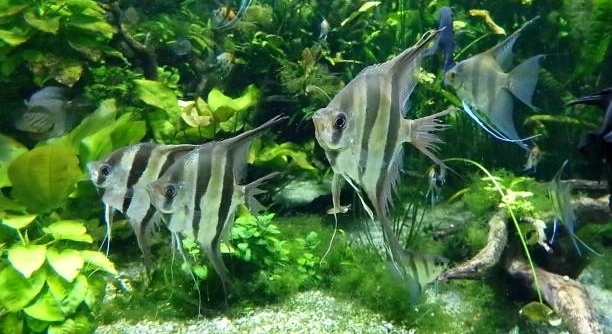
Have you ever noticed your angelfish acting more aggressive right after mealtime and wondered what might be causing it? Sometimes, even peaceful fish can show unexpected behavior that leaves owners feeling confused or concerned.
The most common reason angelfish become more aggressive after feeding is due to heightened territorial instincts. Feeding time can trigger competition, causing the fish to become defensive over food, space, or tank mates immediately after eating.
Feeding might seem like a simple routine, but it can influence your angelfish’s mood and behavior in unexpected ways.
1. Natural Territorial Behavior
Angelfish are known to be territorial, especially when food is involved. After feeding, they may feel the need to protect their space, even more than usual. This behavior can increase when there are multiple fish in the tank. They may try to push others away or act aggressively to show dominance. This is more common in smaller tanks, where there’s less room to escape tension. Even if your angelfish seems peaceful most of the time, feeding can change their mood quickly. Adding decorations or plants can help break up the space and reduce this aggressive response. It gives your angelfish more spots to claim as their own, which lowers the chance of them bothering other fish. Ensuring each fish has enough room and hiding spots can make a big difference in behavior after feeding.
Providing more space or tank barriers may ease this tension and help create a calmer environment after meals.
If your angelfish acts up every time you feed them, consider observing how other fish react too. Sometimes the issue grows because of how the entire tank responds during feeding. Small adjustments to tank layout can help reduce this behavior long term.
2. Overfeeding and Food Competition
Feeding too much can also create problems. Uneaten food can stir up competition among tank mates.
When there is an excessive amount of food in the tank, it can lead to stress and confusion. Angelfish may become aggressive as they try to control access to leftover food. Even though it seems like overfeeding would make them less aggressive, it often has the opposite effect. The presence of extra food can trigger guarding behavior. Other fish moving around the leftovers can set off defensive actions from your angelfish. This reaction may not be immediate but can carry on well after feeding is over. Overfeeding also lowers water quality, which can lead to discomfort or irritation. That discomfort may lead to more intense behavior. A stressed or uncomfortable angelfish is much more likely to lash out. Try feeding smaller portions at a time and watch how your fish respond. You may notice a more peaceful tank just from this change.
3. Mating and Breeding Behavior
Angelfish often become more aggressive during mating periods, especially right after feeding when they have more energy. This behavior can be directed at tank mates or even the glass.
Breeding pairs of angelfish may start defending a specific area after eating. The food gives them a boost of energy, which can make them more protective of their space. If they’ve chosen a breeding spot, they might chase others away more forcefully after meals. This behavior is natural, but it can look intense if you’re not used to it. You might also notice the pair nipping at other fish or clearing out parts of the tank. If you’re keeping more than one pair in the same space, tension may increase after feeding. Providing flat surfaces like leaves or slate pieces can help them focus their attention elsewhere and reduce unwanted aggression.
Some fishkeepers mistake this behavior for random aggression, but it’s usually part of their mating cycle. The post-feeding energy surge just makes it more obvious. If you’re not planning to breed your angelfish, separating pairs during active mating periods may help reduce stress in the tank. They can become very territorial and may not calm down until the breeding phase ends. Watch for signs like cleaning surfaces or guarding a spot closely.
4. Lack of Tank Space
Too little space can lead to stress, especially after feeding. Angelfish need room to move away and calm down. Without it, they often lash out.
Angelfish are tall-bodied fish that prefer vertical and horizontal swimming space. When tanks are too small or overstocked, feeding time can trigger aggressive reactions. After eating, fish need room to digest and retreat. If they can’t, they may feel threatened and act out. Smaller tanks can also increase visibility between fish, creating more opportunities for confrontation. Aggressive behavior usually shows up in chasing, nipping, or flaring fins. You might also see certain fish hiding more, which is a sign of stress. A 20-gallon tank may seem fine for one or two angelfish, but adding more fish or decorations can quickly reduce that usable space. Adding height, plants, or tank dividers can give fish more privacy and decrease the chance of post-feeding aggression.
5. Inconsistent Feeding Schedule
An irregular feeding routine can cause angelfish to feel anxious or defensive. If they don’t know when to expect food, they may compete more aggressively each time it appears.
Feeding your fish at different times each day can increase stress in the tank. Predictability helps reduce this behavior.
6. Bullying or Tank Hierarchy
Some angelfish naturally become more dominant after meals. They may see post-feeding time as a chance to show power or establish control over weaker fish.
This behavior is common in community tanks, especially if the tank has more aggressive personalities. Rearranging decor can help reset territory lines.
7. Poor Water Conditions
Poor water quality can make fish uncomfortable, especially after feeding when waste increases. Ammonia and nitrite levels often rise right after meals.
After feeding, leftover food and increased waste can quickly lower water quality. Angelfish are sensitive to these changes, which can lead to aggression. Stress from bad water makes fish more reactive to movement and tank mates. Regular testing and water changes are important, especially if you notice behavior shifts after meals. Consider using a gravel vacuum to remove food bits and reduce spikes in ammonia. Even if feeding seems fine, poor conditions right after can make your angelfish lash out more than usual.
Final Thoughts
Each angelfish is different, but small changes can make a big difference in their behavior after feeding.
FAQ
Why does my angelfish chase other fish after eating?
This usually happens because feeding increases energy and awakens territorial instincts. Right after eating, angelfish may feel the need to protect their area or leftover food. Chasing helps them create space or keep other fish away. It’s also a way of showing dominance. In tanks that are small or shared with other semi-aggressive fish, this behavior can become more noticeable. Adding more plants, hiding spots, or giving the fish a larger tank can often help reduce this type of chasing after meals.
Is aggression after feeding normal in angelfish?
Yes, it’s fairly common. Some angelfish are more assertive by nature, and feeding brings out their natural instincts. The rush of activity during meals, along with increased interaction with tank mates, can trigger short bursts of aggression. If it happens in short moments and doesn’t lead to injury, it’s usually not serious. However, if one fish is getting bullied or injured, it may be a sign that you need to make changes to the tank setup, feeding routine, or population.
Can feeding less reduce aggression in my angelfish?
Yes, in many cases it helps. Overfeeding can lead to leftover food in the tank, which becomes a source of tension. Angelfish may try to guard it or chase others away from it. By offering smaller amounts that your fish can eat quickly, you reduce the chance of that defensive behavior. Try feeding small portions two times a day instead of one large meal. Watch your fish carefully to see how they respond and adjust as needed.
Should I separate aggressive angelfish after feeding?
Only if the behavior becomes harmful. Mild aggression is common and may settle within a few minutes. But if one fish repeatedly attacks others or causes injuries, separation may be needed—at least temporarily. Using a tank divider or moving the fish into a different tank can give the others time to recover. In some cases, aggression drops once the environment becomes more peaceful and stable.
Does feeding time affect angelfish behavior throughout the day?
It can. Feeding is a stimulating event in the tank, and the energy from the food can impact how they behave afterward. If your angelfish acts more territorial or restless for an hour or two after meals, it’s likely tied to the feeding process. That’s why keeping a steady schedule and avoiding overfeeding is so helpful. It gives them predictability and balance.
Can tank mates influence angelfish aggression after feeding?
Yes, tank mates play a big role. Some species may provoke angelfish during feeding by moving too quickly or trying to grab food from their space. That can lead to chasing or nipping. Tank mates that are too active or overly competitive may increase the stress level for your angelfish. It’s often best to pair them with peaceful, slow-moving species that won’t compete for food in a chaotic way.
Is it okay if my angelfish acts fine before feeding but aggressive after?
Yes, and it’s more common than many expect. The feeding process changes tank dynamics quickly. Food can bring out competition, and for angelfish, that can show up as territorial behavior or increased energy. As long as the aggression is mild and no fish are hurt, it’s usually manageable.
What should I avoid doing if my angelfish are aggressive after eating?
Avoid overfeeding, changing tank layout too often, or placing too many fish in a small tank. Also, avoid adding fish that nip fins or dart around quickly. These factors can make your angelfish feel threatened, especially after feeding when they’re more alert. Focus on creating a calm, consistent environment.
Can changing the type of food help reduce aggression?
Sometimes it can. If the food sinks slowly or spreads out more evenly, fish don’t need to compete as much. Pellet foods or slow-sinking flakes give everyone a chance to eat without crowding one area. You can also try feeding in more than one spot in the tank to reduce tension.
Final Thoughts
Angelfish are beautiful and interesting fish, but their behavior can sometimes be confusing—especially after feeding. If your angelfish becomes more aggressive after meals, it doesn’t always mean something is wrong. In many cases, this type of behavior is natural. Feeding time brings energy and excitement to the tank, and some fish respond by becoming more alert, more protective, or more dominant. These changes can seem sudden, but they are often linked to simple causes like food, space, or tank mates. Watching your angelfish closely during and after feeding can help you understand what’s triggering their actions.
Even small changes can help reduce aggression. Feeding smaller portions, keeping a consistent schedule, and spreading food around the tank are simple steps that can make a big difference. Also, look at how much space your fish have. A crowded tank can increase stress and lead to more aggressive behavior, especially right after meals. Try giving your angelfish places to hide or space to swim freely. If you notice one fish is always chasing others or claiming a certain spot, they may be trying to set up a territory. Adding plants or decorations can help break up sightlines and create a more peaceful tank.
Lastly, water quality is a big factor. Poor conditions after feeding—like leftover food, ammonia spikes, or cloudy water—can lead to stress and discomfort. When fish feel uncomfortable, they are more likely to act out. Regular cleaning, testing your water, and doing routine water changes will help keep your angelfish healthy and calm. If the aggression continues even after making changes, try observing what happens during feeding and how your fish interact afterward. Each angelfish has its own personality, and some may always be a bit more bold than others. But with time, small adjustments, and attention to detail, you can create a tank where all your fish feel safe—even during mealtime.

Hello,
If you enjoy the content that we create, please consider saying a "Thank You!" by leaving a tip.
Every little bit helps us continue crafting quality advice that supports the health, happiness, and well-being of pets around the world, for pets of all shapes, sizes, and species.
We really appreciate the kindness and support that you show us!