
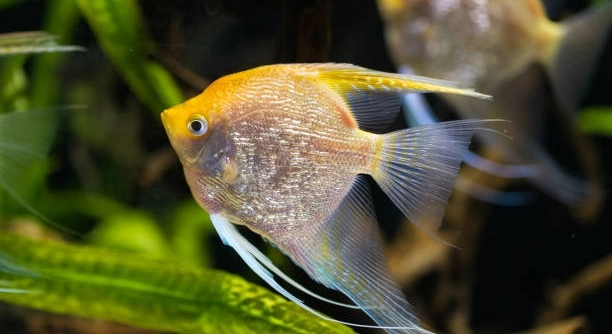
When setting up an aquarium for angelfish, one of the most important considerations is selecting the right tank size. The size of your tank directly impacts the health and well-being of your fish.
For a healthy and thriving angelfish setup, it is essential to choose a tank that provides ample space for swimming and growth. Generally, a 20-gallon tank is suitable for a pair of angelfish, while larger setups may be needed for multiple fish.
Choosing the right tank ensures that your angelfish will have a better chance at a long, healthy life.
Tank Size for a Single Angelfish
A 20-gallon tank is typically the minimum size required for one angelfish. This provides enough space for them to swim freely and establishes a healthy environment. The tank should be wide enough, allowing the fish to move around easily, as angelfish are known for their large fins.
Angelfish need plenty of swimming space, and a 20-gallon tank helps avoid unnecessary stress. It’s essential to avoid cramming too many fish into a small space, as this can lead to health issues and aggression.
While a 20-gallon tank is sufficient for one angelfish, it is always better to provide them with extra room. Larger tanks, such as 30 or 40 gallons, are ideal if you plan to keep other fish with your angelfish. In these setups, you should be mindful of water quality, temperature, and filtration to keep the tank environment balanced.
Tank Size for a Pair of Angelfish
For two angelfish, a 30-gallon tank is the minimum size. This gives them more room to establish territories and reduces the chances of territorial disputes.
A pair of angelfish will need space to feel secure and avoid fighting over space. A 30-gallon tank is spacious enough for them to coexist without too much stress. However, water changes should be frequent to maintain proper water quality.
Angelfish pairs can be quite peaceful as long as they have enough room to swim. It is also recommended to use a good filtration system and maintain the tank’s water chemistry to support their growth and overall health.
Tank Size for a Group of Angelfish
If you want to keep a small group of angelfish, a 40-gallon tank is the minimum size. This size provides more space for the fish to swim, reducing the chance of aggression and competition for territory.
Angelfish are territorial by nature, so having a larger tank for a group helps minimize conflict. In a 40-gallon tank, they have enough space to establish their own areas without constantly bumping into each other. The larger the tank, the less likely they will become stressed. Water quality is also crucial, so maintain proper filtration and do regular water changes.
A 40-gallon tank can comfortably house around four angelfish. Ensure that the tank is well-planted and has hiding spots to reduce tension. Since angelfish are often peaceful in larger groups, this setup allows them to thrive.
Tank Size for Angelfish with Other Fish
When keeping angelfish with other species, a 50-gallon tank is ideal. The extra space ensures that all the fish have enough room to coexist without overcrowding.
A 50-gallon tank provides ample space for angelfish and other compatible species. It’s essential to select tank mates carefully, as angelfish can sometimes be aggressive towards smaller fish. Species like tetras and other peaceful community fish are good companions. Ensure that your tank has plenty of hiding spots to reduce stress and allow fish to claim their territories.
Angelfish with other fish require regular monitoring of water conditions. A larger tank, such as a 50-gallon, makes it easier to maintain stable water parameters, which is vital for the well-being of all fish. Regular water changes and a good filtration system are essential for keeping the environment healthy.
Tank Size for Breeding Angelfish
For breeding angelfish, a 50-gallon tank provides enough room for both the parents and their fry. This size allows for proper space while maintaining water quality.
Breeding angelfish can be more delicate than keeping them in a regular setup. The parents need space to lay eggs, and the fry need a safe area to grow. A 50-gallon tank also reduces stress during the breeding process. Ensure that the tank is equipped with a breeding cone and plants for egg-laying.
When breeding angelfish, maintaining water quality is crucial for the survival of the fry. Regular water changes are necessary to avoid ammonia build-up, and soft, slightly acidic water conditions promote successful spawning.
Tank Size for Large Angelfish Species
Large angelfish species, such as the Altum angelfish, require at least a 75-gallon tank. These fish grow larger and need more room to swim.
A 75-gallon tank provides sufficient space for large angelfish to grow to their full size without being cramped. Additionally, these species are more sensitive to water conditions, so it’s essential to invest in a high-quality filtration system to maintain a healthy environment. The tank should have plenty of vertical space for them to move freely and navigate the aquarium comfortably.
Tank Size for Mixed Angelfish Species
For a mixed-species angelfish setup, a 75-gallon tank is recommended to give each species adequate space. This helps prevent territorial disputes.
A 75-gallon tank allows different angelfish species to coexist, giving each ample room to establish their territories. Make sure the tank has plenty of plants, decorations, and hiding spots to reduce aggression. Proper filtration and stable water conditions are also important for the health of all species involved.
FAQ
What is the minimum tank size for one angelfish?
The minimum tank size for one angelfish is 20 gallons. This size allows the fish to swim freely and establish a territory without overcrowding. It’s important to provide enough space so the angelfish can avoid stress and aggression. A smaller tank can lead to unhealthy conditions, as the fish may not have enough space to move, which could cause them to become territorial or sick.
Can I keep multiple angelfish in the same tank?
Yes, you can keep multiple angelfish, but the tank size needs to be large enough to accommodate them. A 30-gallon tank is the minimum size for two angelfish, but larger tanks are recommended for more than two. If you are keeping several angelfish, a 40-gallon tank or larger is ideal to ensure they have enough room to swim and avoid territorial disputes. Proper tank size reduces the chances of aggression and ensures a healthy environment for all fish.
What are the best tank mates for angelfish?
Angelfish generally do well with other peaceful fish that won’t compete aggressively for space. Good tank mates include tetras, guppies, and Corydoras catfish. Avoid small fish like neon tetras or shrimp, as angelfish may view them as prey. Additionally, be cautious with other larger cichlids, as angelfish can sometimes be territorial. Always ensure that tank mates have similar water parameter requirements, such as temperature and pH, to keep all species in good health.
Can I keep angelfish with other cichlids?
While angelfish can live with other cichlids, it’s important to choose tank mates that are not overly aggressive. Species like discus or other peaceful South American cichlids can coexist with angelfish. However, avoid keeping angelfish with highly aggressive cichlids such as oscars, as they may cause harm to each other. Always monitor interactions closely and provide enough space and hiding spots to allow each fish to establish its own territory.
How do I breed angelfish?
To breed angelfish, you’ll need a separate breeding tank, ideally 50 gallons or larger. The tank should be well-planted with smooth surfaces for egg laying, such as a breeding cone or flat rocks. Maintain water temperatures between 78°F and 80°F, and keep the water soft and slightly acidic. When breeding, the female will lay eggs, and the male will fertilize them. After hatching, the parents will guard the fry until they are old enough to swim on their own. Keep the water clean and do regular water changes to ensure the survival of the fry.
What is the ideal water temperature for angelfish?
The ideal water temperature for angelfish is between 75°F and 82°F. Keeping the temperature stable within this range is essential for the fish’s health. Water that is too cold or too warm can stress the fish and lead to illness. Ensure that the aquarium heater is functioning correctly, and monitor the temperature regularly to maintain a stable environment for your angelfish.
Do angelfish need a filter?
Yes, angelfish require a filter to keep the water clean and maintain healthy water conditions. A good filtration system helps remove waste and excess nutrients, which is essential for preventing the build-up of harmful substances like ammonia and nitrate. A filter also helps oxygenate the water, which is important for the health of your fish. However, avoid strong currents, as angelfish prefer calmer waters. Choose a filter with an adjustable flow rate to ensure the water remains clean without creating excessive water movement.
Can angelfish live in a tank with live plants?
Angelfish thrive in tanks with live plants. Plants not only provide hiding spots and breeding surfaces but also help maintain water quality by absorbing excess nutrients. Popular plants for angelfish tanks include Java fern, Anubias, and Amazon swords. Make sure the plants are securely rooted and won’t be uprooted by the angelfish. Live plants also help create a more natural and visually pleasing environment for your fish.
What size tank is needed for breeding angelfish?
A 50-gallon tank is ideal for breeding angelfish. This size provides enough space for the parents and their fry. It also ensures that the water quality can be easily maintained, which is crucial during breeding. The tank should be equipped with a breeding cone or a flat surface for egg-laying. Make sure to maintain stable water parameters and avoid overcrowding in the tank.
How often should I feed my angelfish?
Feed your angelfish once or twice a day. Provide them with a balanced diet, such as high-quality flakes, pellets, or frozen food like brine shrimp and bloodworms. Avoid overfeeding, as this can lead to poor water quality. Remove any uneaten food after 5-10 minutes to prevent it from decomposing in the tank. A varied diet helps ensure that your angelfish get all the nutrients they need to stay healthy.
How long do angelfish live?
Angelfish can live up to 10 years or more in a well-maintained tank with proper care. However, their lifespan may vary depending on water quality, diet, and overall tank conditions. Regular water changes, a balanced diet, and proper tank mates contribute to their longevity. Ensure that the tank is free from stress and that the fish are not overcrowded to help them live a long and healthy life.
Why are my angelfish not eating?
If your angelfish are not eating, it could be due to stress, poor water quality, or illness. Check the water parameters, such as temperature, pH, and ammonia levels, as these factors can affect their appetite. Ensure that the tank is not overcrowded and that they have enough space to swim freely. If the issue persists, consider isolating the fish to observe any potential health issues. If necessary, consult with an aquatic veterinarian.
Do angelfish need a saltwater environment?
No, angelfish are freshwater fish and do not require a saltwater environment. They thrive in soft, slightly acidic freshwater conditions. If you are keeping angelfish in a saltwater tank, it is important to note that they may not survive or adapt to the saline conditions. Ensure that your tank is set up for freshwater fish to provide the best care for your angelfish.
How do I know if my angelfish are healthy?
Healthy angelfish should have clear, bright eyes, smooth scales, and active swimming behavior. They should not show signs of discoloration, lesions, or abnormal swimming patterns. Keep an eye on their eating habits, as a loss of appetite can be a sign of stress or illness. Regularly check the water quality to ensure it is within the proper range for angelfish, and address any issues immediately to keep them healthy.
Final Thoughts
When choosing the right tank size for angelfish, it’s important to remember that these fish need plenty of space to swim and establish their own territories. Overcrowding can lead to stress, aggression, and health issues. A 20-gallon tank is the minimum recommended size for a single angelfish, but larger tanks are always better for ensuring their well-being. If you plan to keep multiple angelfish or other species in the same tank, make sure the tank is large enough to accommodate all of them comfortably. With proper planning and attention to their needs, angelfish can thrive in a variety of setups.
In addition to providing the right size tank, paying attention to water quality is essential for the health of your angelfish. Clean water with the right parameters—temperature, pH, and hardness—can make all the difference. Regular water changes, proper filtration, and monitoring the tank for any issues will help maintain a stable environment. The addition of live plants can improve water quality and create a more natural setting, which will benefit the fish and enhance the appearance of the aquarium. Healthy water conditions will support the growth and longevity of your angelfish.
Finally, keeping angelfish requires commitment and attention. Whether you are setting up a small tank for one angelfish or a large tank for a community of fish, it’s important to provide the right environment. Choose tank mates wisely, maintain clean water, and feed your fish a balanced diet. With proper care, angelfish can live for many years, becoming a beautiful and peaceful addition to your aquarium. By following the guidelines for tank size, water conditions, and tank mates, you can ensure that your angelfish will thrive and bring you enjoyment for a long time.

Hello,
If you enjoy the content that we create, please consider saying a "Thank You!" by leaving a tip.
Every little bit helps us continue crafting quality advice that supports the health, happiness, and well-being of pets around the world, for pets of all shapes, sizes, and species.
We really appreciate the kindness and support that you show us!