
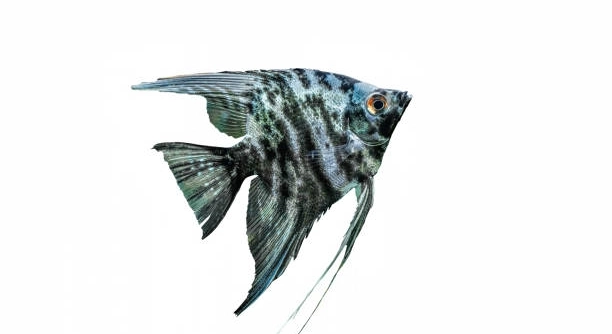
After cleaning your tank, you may notice your angelfish acting lethargic. This behavior can be concerning, especially when you expect them to be active and healthy after a fresh tank environment.
Angelfish can become lethargic after tank cleaning due to various factors, including water quality changes, stress, or sudden temperature fluctuations. The disturbance from the cleaning process can affect their behavior temporarily, but it often resolves as they adjust.
Understanding why your angelfish is lethargic is essential to ensuring its well-being. Keep reading to explore the potential causes and how to address them effectively.
Sudden Water Quality Changes
After cleaning your tank, the water quality can change unexpectedly, even if the cleaning process seems straightforward. You may have disturbed the water’s chemical balance while removing debris, cleaning filters, or replacing the water. This can introduce stress for your angelfish, making them appear sluggish or tired. If the pH, ammonia levels, or nitrate levels are off, your angelfish might not feel comfortable in the tank, leading to lethargic behavior.
Even small fluctuations in water conditions can affect your fish’s activity levels. Make sure to check your water parameters regularly to avoid these changes. Water tests can give you an accurate picture of what’s happening in your tank. If any levels are too high or low, the fish will react accordingly, sometimes becoming lethargic or hiding.
For healthy fish, maintaining stable water conditions is crucial. This means keeping the pH levels, ammonia, and nitrate levels in check. Make it a habit to monitor these parameters to prevent future issues and ensure the well-being of your fish.
Stress From Tank Maintenance
Fish can also become stressed from the act of cleaning itself. The presence of cleaning equipment, sudden movements, and changes in their environment can trigger stress responses. This can cause your angelfish to retreat and remain inactive for some time. When cleaning the tank, it’s important to minimize disruptions to avoid stressing the fish.
If your angelfish continues to be lethargic after cleaning, consider how often you disturb their space. Keeping tank maintenance to a minimum will help them feel secure and less anxious. This simple step can go a long way in maintaining their health.
Temperature Fluctuations
Temperature changes can be a significant cause of lethargy in angelfish. If the water temperature shifts too quickly during cleaning, your fish may not feel comfortable. This can lead to reduced energy and a noticeable decrease in activity. It’s essential to ensure that the tank’s temperature remains stable during and after cleaning.
When you replace the water, consider the temperature difference between the new water and the current tank water. A sudden drop or rise can stress your fish. Using a thermometer to check the water before, during, and after the cleaning process can help prevent any temperature shock. Keeping the temperature consistent helps your angelfish stay active.
If the water temperature fluctuates regularly, you may want to install a heater with a thermostat. This will keep the water at a steady temperature, reducing the chances of temperature-related lethargy.
Improper Water Change Procedures
Incorrect water changes can lead to problems with your angelfish’s health and activity levels. Removing too much water or adding new water too quickly can disrupt the tank’s environment. This sudden change may cause your fish to become stressed and inactive for a period.
When performing water changes, it’s essential to remove about 25-30% of the water at a time to avoid overwhelming your fish. Always replace it with water that is similar in temperature and pH to the water in the tank. Slow and steady water changes will prevent shock, allowing your angelfish to adjust without becoming overly stressed.
If you frequently clean your tank by removing large amounts of water, try to do smaller, more regular water changes instead. This will help to maintain stability in the tank and prevent your angelfish from becoming sluggish or unwell.
Overcleaning the Tank
Overcleaning can have a negative effect on your angelfish. Scrubbing surfaces too often or cleaning filters too vigorously can disrupt the balance of beneficial bacteria in the tank. These bacteria help break down waste, and removing too much can upset the ecosystem, making your fish feel uneasy.
It’s essential to clean the tank regularly but not excessively. A light cleaning of the glass, substrate, and filters once every two weeks should suffice. Overcleaning can also remove too many beneficial organisms, leading to issues with water quality and fish health. Find a balance for the best results.
Inadequate Food Intake
If your angelfish is not eating enough, they may appear lethargic. A lack of proper nutrition can make them weak and less active. Ensure you’re providing them with a well-balanced diet that suits their specific needs. Overfeeding or underfeeding can both lead to problems.
Angelfish require a varied diet, including high-quality pellets, frozen food, and occasional live food. Regular feeding ensures they get all the nutrients needed for energy and activity. If the food isn’t appropriate or they aren’t eating enough, they may exhibit sluggishness. Keep their feeding schedule consistent to maintain their health.
Disease or Illness
Lethargy in angelfish may sometimes be a sign of an underlying illness. Fish can become inactive when they are sick or stressed from disease. Symptoms such as pale coloring, bloated abdomen, or erratic swimming behavior may accompany lethargy. Keep an eye on your fish for any other signs.
If you notice anything unusual, quarantine the affected fish to prevent spreading potential diseases. Research common angelfish illnesses and take appropriate action, whether that means treating the water, adjusting the tank conditions, or using medications. Early detection and treatment can make all the difference in your fish’s recovery.
FAQ
Why is my angelfish not moving after cleaning?
Your angelfish may be temporarily stressed or uncomfortable after a tank cleaning. Sudden changes in water quality, temperature, or the presence of cleaning equipment can cause your fish to become lethargic. It’s common for fish to retreat and rest until they adjust to their environment. Make sure the water conditions are stable and avoid over-cleaning the tank. Give them time to recover from any stress.
How long will my angelfish stay lethargic after cleaning?
Typically, angelfish will return to their normal activity levels within a few hours to a day after cleaning. If your fish is still lethargic after 24 hours, you may want to check the water conditions again. Look for any irregularities in temperature, pH, or ammonia levels. If the lethargy persists, further investigation is needed.
Can cleaning the tank too often make my angelfish sick?
Yes, cleaning the tank too often can disrupt the balance of beneficial bacteria, which are vital for maintaining a healthy environment. Overcleaning can also cause stress to your fish and negatively impact water quality, leading to sickness or lethargy. Stick to a regular cleaning schedule to maintain a stable and healthy tank.
How do I know if my angelfish is sick or just stressed?
Sick angelfish often exhibit symptoms such as pale or faded coloring, bloating, erratic swimming, or visible sores and lesions. In contrast, stressed angelfish may appear sluggish or hide but usually don’t show drastic changes in appearance. If you suspect your fish is sick, observe for other signs and consider quarantining it to prevent further complications.
What is the ideal water temperature for angelfish?
Angelfish thrive in water temperatures between 76°F and 82°F (24°C to 28°C). Consistency is key, as sudden temperature changes can stress them out and lead to lethargy. Use an aquarium heater with a thermostat to maintain a stable temperature and avoid fluctuations that could affect your fish.
Should I feed my angelfish more if they’re acting lethargic?
While a lack of food can cause lethargy, overfeeding can also be a problem. Ensure your angelfish is receiving a balanced diet that includes high-quality pellets, frozen food, and occasional live food. If they are lethargic, wait until they become more active before increasing food intake. Always remove any uneaten food to prevent water quality issues.
Can the water filter cause stress to my angelfish?
Yes, if the water filter is too strong or too weak, it can cause stress to your angelfish. Strong water currents can make it difficult for them to swim, leading to lethargy or hiding. On the other hand, a weak filter can result in poor water quality, causing other health issues. Make sure your filter is appropriately sized for the tank and its inhabitants.
Is it safe to add new fish to the tank after cleaning?
It’s best to wait until your angelfish has fully adjusted to the new water conditions before introducing new fish. Cleaning the tank can alter the environment, and adding new fish immediately could cause stress for both your existing and new fish. Wait at least 24-48 hours before adding any new fish to ensure the tank is stable.
What should I do if my angelfish has been lethargic for several days?
If your angelfish has been lethargic for several days, check for any signs of illness or water quality problems. Test the water for ammonia, nitrites, and pH levels. If everything seems fine, the fish may be stressed from previous tank changes. If the lethargy continues, consider consulting with a veterinarian who specializes in aquatic animals.
Can angelfish get too much oxygen?
While it’s unlikely for angelfish to get too much oxygen in a well-maintained tank, poor water circulation or high levels of oxygenation can stress fish. Ensure the tank has proper aeration and filtration without causing too much surface agitation. Excessive oxygen can sometimes lead to gasping or erratic behavior in fish.
How can I reduce stress for my angelfish?
To reduce stress, avoid sudden changes in water parameters, such as pH or temperature. Limit handling and disturbance of the tank, and maintain stable water conditions. Ensure your angelfish has plenty of hiding spots and live plants to feel secure. Regular water changes, but not excessive cleaning, will help maintain a calm environment.
Can overfeeding cause lethargy in angelfish?
Yes, overfeeding can lead to lethargy in angelfish. Uneaten food can decay in the tank, leading to poor water quality, which in turn stresses the fish. Additionally, overfeeding can cause digestive issues, leading to reduced activity levels. Feed your angelfish in small, measured amounts, and remove any uneaten food after a few minutes.
What signs should I look for to detect water quality problems?
Signs of water quality problems include cloudy water, foul odor, or visible algae growth. Fish may also show signs of stress, such as erratic swimming, gasping at the surface, or loss of color. Regular water testing for ammonia, nitrites, and pH levels can help you identify any potential issues before they affect your fish.
Can my angelfish get lethargic from the lighting in the tank?
Yes, angelfish can be sensitive to lighting. Too much light can stress them out, leading to lethargy or hiding. Conversely, too little light can cause them to become inactive or lose their colors. Make sure your tank has an appropriate lighting cycle, usually 10-12 hours of light per day, to keep your fish comfortable.
How often should I perform water tests for my angelfish tank?
You should test the water in your angelfish tank at least once a week. Testing for ammonia, nitrites, and pH levels will help ensure the water quality is within the ideal range. If you notice any changes in your fish’s behavior, test the water more frequently to identify potential issues.
Final Thoughts
Angelfish can be sensitive to changes in their environment, and cleaning the tank can sometimes cause temporary stress. While it’s normal for them to be a bit lethargic after a tank cleaning, it’s important to monitor their behavior closely. Lethargy can be a sign of stress, but it could also indicate other issues such as water quality problems or illness. Keeping a consistent cleaning schedule without overdoing it can help maintain a balanced environment for your fish. Be mindful of water parameters and make sure the temperature, pH, and ammonia levels are stable.
When your angelfish are lethargic after cleaning, it’s essential to assess all possible factors. Check if the water is too cold or too warm, as temperature fluctuations can cause stress. Also, keep an eye on the water quality, as improper cleaning can lead to an imbalance in beneficial bacteria, which is crucial for maintaining a healthy tank environment. Make sure you don’t scrub too much or clean too often, as this can remove vital microorganisms that help filter the water. If you suspect your fish’s lethargy is due to illness, look for other signs such as unusual swimming patterns, loss of color, or abnormal behavior.
Finally, it’s important to understand that each angelfish is unique. Some may be more sensitive than others, and their recovery time after cleaning will vary. While one fish might bounce back within a few hours, another might take longer. If the lethargy persists for more than 24-48 hours or worsens, it may be time to take action. Regular water testing, proper feeding, and maintaining a stable environment will help prevent future issues. Ultimately, your goal should be to create a safe, calm, and healthy tank for your angelfish to thrive in.

Hello,
If you enjoy the content that we create, please consider saying a "Thank You!" by leaving a tip.
Every little bit helps us continue crafting quality advice that supports the health, happiness, and well-being of pets around the world, for pets of all shapes, sizes, and species.
We really appreciate the kindness and support that you show us!