
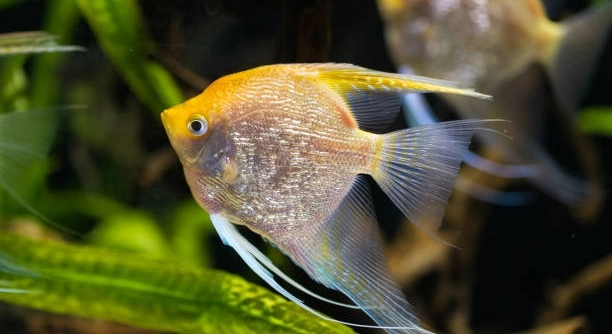
Angelfish are popular aquarium pets, known for their graceful movements and stunning appearance. However, when an angelfish starts hovering near the bottom of the tank, it can be concerning for aquarium owners.
The most common reasons for an angelfish hovering near the bottom include water quality issues, stress, illness, or improper tank conditions. These factors can cause the fish to seek comfort at the bottom, where it feels safer or experiences less stress.
Understanding the underlying causes can help you address the issue and improve your angelfish’s environment. Knowing what to check for can make a significant difference in your fish’s well-being.
Water Quality Issues
Water quality is one of the most important factors for any fish. If the water is polluted or not properly maintained, it can lead to discomfort for your angelfish. The water may contain high levels of ammonia, nitrites, or nitrates, which are harmful to fish. Poor water quality can stress your angelfish, causing it to hover near the bottom to avoid swimming in the more polluted upper layers. Regular water changes and proper filtration are essential in maintaining a healthy tank environment for your angelfish.
If your tank’s water parameters aren’t ideal, it can lead to long-term health problems for your fish. It’s recommended to test the water regularly to ensure levels of ammonia, nitrites, and nitrates are in the safe range. Proper filtration and frequent water changes will help keep the water clean.
Additionally, the pH and temperature of the water should be monitored carefully. Angelfish prefer a stable environment, and fluctuating conditions can lead to stress, causing them to hover near the bottom of the tank.
Stress and Tank Mates
Stress can also cause your angelfish to behave differently. If there are aggressive tank mates or too much activity in the tank, your angelfish might retreat to the bottom for safety. Fish that feel threatened often seek shelter in the lower areas of the tank, where they feel more secure. It is crucial to provide a peaceful environment for your angelfish.
When selecting tank mates for your angelfish, choose peaceful fish that won’t harm or stress your angelfish. Keep in mind the size and temperament of each fish to prevent any aggressive behaviors. Providing hiding spots in the tank, such as plants or caves, can also help reduce stress by giving your angelfish a place to retreat.
A calm and balanced tank environment will help your angelfish feel comfortable and confident, reducing the need to hover near the bottom.
Illness or Injury
Illnesses or injuries are common reasons why angelfish may hover near the bottom of the tank. When a fish feels unwell, it will often retreat to a more protected area. It’s important to look for signs such as lethargy, loss of appetite, or abnormal swimming patterns.
If your angelfish is showing signs of illness or injury, it is crucial to take action quickly. Many diseases, like swim bladder issues or parasites, cause discomfort, leading to behavior changes like hovering. You should isolate the affected fish in a quarantine tank to prevent further spread of disease to other tank mates. Regular monitoring can help you catch illness early and treat it before it gets worse.
Be sure to check the body of the angelfish for any visible injuries or signs of infection. If an injury is found, you might need to treat the area with an antibacterial solution or consult an aquatic veterinarian. Acting quickly can often lead to a full recovery.
Water Temperature
Water temperature plays a significant role in the health and behavior of angelfish. These fish thrive in warmer water, and if the temperature is too low or fluctuates too much, they may become sluggish or hover near the bottom to conserve energy.
Angelfish typically prefer water temperatures between 76°F and 82°F. If the water is too cold, your angelfish may struggle to maintain normal swimming activity and instead stay near the bottom to avoid exerting energy. It’s vital to keep the tank heater functioning properly and ensure a steady, consistent temperature.
On the other hand, if the water temperature is too high, the fish may experience stress or oxygen deprivation. It’s essential to monitor the temperature regularly with a reliable thermometer and make adjustments if necessary. Proper water temperature helps angelfish stay active and healthy.
Overcrowded Tank
An overcrowded tank can cause stress and make your angelfish feel uncomfortable. When too many fish share the same space, it can lead to aggression and a lack of swimming room. Your angelfish may seek shelter near the bottom to avoid interactions with other fish.
If your tank is too crowded, it’s essential to remove or relocate some fish. A general rule is to have one inch of fish per gallon of water, but angelfish, being larger fish, need more space. Overcrowding leads to poor water quality, which adds to the stress.
A spacious tank with enough room for each fish to swim comfortably will help your angelfish feel secure and less likely to hover near the bottom.
Poor Diet
A poor diet can lead to a range of health issues that might cause your angelfish to behave unusually. Malnutrition can weaken your fish, making it lethargic and less active. This lack of energy can cause your angelfish to hover near the bottom of the tank.
To prevent nutritional deficiencies, offer a balanced diet consisting of high-quality flakes, pellets, and live or frozen foods. Vary the diet to include protein-rich foods like brine shrimp and bloodworms, along with plant-based foods like spirulina. Proper nutrition supports the overall health and energy levels of your angelfish.
Lighting Issues
The lighting in your tank can also affect your angelfish’s behavior. If the tank is too bright or too dark, your angelfish may feel disoriented or stressed. This could lead them to hover near the bottom where the lighting is less intense.
Adjust the lighting in your aquarium to provide a balanced environment. A moderate light cycle of 10-12 hours per day will keep your angelfish comfortable. Consider using low-wattage LED lights to avoid overly harsh lighting, which can cause stress for your fish.
FAQ
Why is my angelfish staying near the bottom of the tank?
When an angelfish stays near the bottom of the tank, it may be stressed, sick, or uncomfortable due to poor water quality. Other factors include inappropriate water temperature, overcrowding, or even aggression from tank mates. Keep an eye on your angelfish’s behavior and tank conditions to identify and address the cause.
How do I improve the water quality in my tank?
To improve water quality, start by performing regular water changes of about 25-30% every 1-2 weeks. Ensure the filter is running efficiently and clean it regularly. Test the water for ammonia, nitrites, and nitrates, adjusting levels to maintain safe ranges. A proper filtration system and maintaining a balance in your tank will help.
What should I do if my angelfish is sick?
If your angelfish appears sick, isolate it in a separate quarantine tank. Check for any visible injuries, bloating, or unusual markings. Adjust water conditions as necessary and observe the fish for signs of disease. Consult a veterinarian or a fish specialist for appropriate medication based on symptoms.
Can overcrowding cause stress in angelfish?
Yes, overcrowding is one of the main causes of stress for angelfish. When there are too many fish in a tank, they compete for space, food, and oxygen, leading to stress. Overcrowded tanks often have poor water quality, making the situation worse. Ensure your tank has adequate space for each fish to swim freely.
How do I know if my angelfish has a swim bladder problem?
Swim bladder problems are common in fish and can cause your angelfish to hover near the bottom. If your fish has trouble maintaining buoyancy, or is floating upside down or sideways, it could have a swim bladder issue. These problems are often linked to overfeeding, constipation, or an injury. Treating the underlying cause can help.
What water temperature is ideal for angelfish?
Angelfish thrive in water temperatures between 76°F and 82°F. If the water is too cold, they may become sluggish and retreat to the bottom. If it’s too hot, it can cause stress and oxygen depletion. A reliable aquarium heater will help maintain a stable temperature in your tank.
Can tank mates cause stress for angelfish?
Yes, aggressive or territorial tank mates can cause stress for angelfish, leading them to hide at the bottom. When choosing tank mates, opt for peaceful species that won’t intimidate or harm the angelfish. Provide plenty of hiding spots to help your fish feel secure.
How often should I feed my angelfish?
Feeding your angelfish 2-3 times a day with small portions is ideal. Overfeeding can lead to poor water quality and health issues. Offer a balanced diet, including flakes, pellets, and occasional live or frozen foods, to provide the nutrients necessary for good health.
What should I do if my angelfish isn’t eating?
If your angelfish refuses to eat, check for water quality issues, as poor conditions can affect their appetite. Stress, illness, or a poor diet can also cause a lack of interest in food. Try offering a variety of foods to stimulate its appetite, and make sure the water temperature is within the proper range.
How can I reduce stress in my angelfish?
To reduce stress in your angelfish, ensure the tank is free of aggressive tank mates and has plenty of hiding spots. Keep water conditions stable, avoid overcrowding, and maintain a consistent light cycle. A calm and clean environment will help your angelfish feel more secure and reduce stress.
Is it normal for angelfish to swim near the bottom?
Occasionally, angelfish may swim near the bottom of the tank if they feel stressed or uncomfortable. However, if this becomes a regular behavior, it may indicate that something is wrong, such as poor water quality, illness, or environmental issues. Regular monitoring and adjustments will help address the cause.
How long can an angelfish go without food?
Angelfish can survive for several days without food, but it’s not ideal to let them go without proper nutrition. In a healthy tank, fish can last up to 3-5 days without feeding, but it’s important to provide a balanced diet to ensure their well-being. Try to avoid prolonged fasting.
What are signs of poor water quality?
Signs of poor water quality in an angelfish tank include cloudy water, foul odors, or visible algae growth. Fish may also appear stressed, sick, or lethargic. Monitoring ammonia, nitrite, and nitrate levels regularly will help you keep the water in good condition for your fish.
Why is my angelfish swimming sideways?
Swimming sideways or upside down is often a sign of swim bladder problems, which can result from overfeeding, constipation, or infection. It may also occur due to a physical injury. If your angelfish is consistently swimming in an abnormal position, it’s important to assess the tank’s conditions and seek treatment if needed.
How do I prevent water temperature fluctuations?
To prevent temperature fluctuations, use a high-quality aquarium heater and thermometer. Set the temperature between 76°F and 82°F and avoid placing the tank near windows, air vents, or heaters, as external factors can affect the water temperature. Consistent monitoring will help maintain a stable environment.
What do I do if my angelfish is hiding all the time?
Constant hiding could indicate stress, illness, or poor water conditions. Check for signs of disease and make sure your tank mates are not being too aggressive. Assess water parameters to ensure they are within the correct range and consider rearranging the tank or adding more hiding spots for your fish.
Can poor diet cause angelfish to hover at the bottom?
Yes, an imbalanced or poor diet can lead to health problems in angelfish, such as weakness and lethargy. When malnourished, angelfish may hover near the bottom due to a lack of energy. Providing a well-balanced diet will help keep them healthy and active.
Final Thoughts
Angelfish are generally peaceful and graceful creatures, but when they start hovering near the bottom of the tank, it often signals an underlying issue. The reasons for this behavior can vary from poor water quality and overcrowding to illness or stress caused by tank mates. Each of these factors can make your angelfish feel vulnerable, prompting it to stay near the bottom where it feels safer. Understanding and addressing these potential causes is essential for ensuring the health and comfort of your fish.
Maintaining a stable and healthy environment is key to preventing your angelfish from exhibiting unusual behavior. Regular water changes, proper filtration, and monitoring water parameters such as temperature, pH, and ammonia levels are critical for preventing stress and illness. Additionally, ensuring that your tank isn’t overcrowded, and that your angelfish have enough space to swim freely, will help alleviate potential stress factors. A calm, well-maintained tank will not only benefit your angelfish but will also create a healthier environment for other species sharing the tank.
Finally, it’s important to remember that each fish is different. While hovering near the bottom is often a sign of distress, the cause may not always be immediately obvious. Take the time to observe your angelfish, adjust tank conditions, and ensure they are receiving a balanced diet. In many cases, resolving the issue involves addressing one or more of these factors, leading to happier, healthier fish. By being proactive in maintaining optimal tank conditions and observing your angelfish’s behavior, you can improve their quality of life and prevent further complications.

Hello,
If you enjoy the content that we create, please consider saying a "Thank You!" by leaving a tip.
Every little bit helps us continue crafting quality advice that supports the health, happiness, and well-being of pets around the world, for pets of all shapes, sizes, and species.
We really appreciate the kindness and support that you show us!