
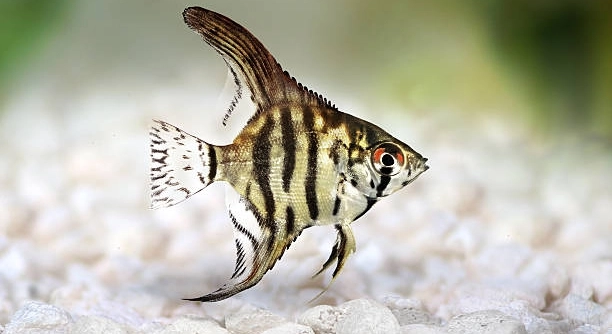
Angelfish are known for their vibrant colors and graceful movements. If you’re aiming to boost their growth and enhance their colors, providing the right nutrients is key. Proper nutrition will help them thrive in their aquatic environment.
The best foods for promoting angelfish growth and color include a mix of high-protein and nutrient-rich options. Varied diets with live foods, such as brine shrimp, along with quality flake food, can support optimal health and coloration.
Understanding the right foods can significantly improve your angelfish’s health and appearance. These foods will ensure they grow stronger and more colorful, helping you maintain a healthy aquarium.
High-Quality Flake Food
High-quality flake food is a convenient and nutritious option for your angelfish. It provides essential vitamins, minerals, and proteins that support their growth. Look for flakes that are specifically formulated for tropical fish, as these tend to offer a balanced nutrient profile. Consistently feeding your angelfish flake food will help maintain their overall health and vibrant colors.
While flake food is often considered a staple, it’s important not to rely on it alone. Combine it with other foods to ensure your angelfish get a well-rounded diet. This variety helps mimic their natural feeding habits, encouraging them to thrive.
Feeding angelfish a variety of high-quality foods helps them develop strong immune systems and vivid colors. Combining flakes with live or frozen foods, like brine shrimp, enhances their diet. This balanced approach ensures they get the full spectrum of nutrients needed for healthy growth and a stunning appearance.
Live Foods
Live foods like brine shrimp or bloodworms offer essential nutrients that flake foods may lack. They’re an excellent addition to your angelfish’s diet.
Live foods provide your angelfish with protein, helping them grow faster and develop more vibrant colors. They also stimulate natural hunting behaviors, encouraging exercise.
Frozen Foods
Frozen foods like bloodworms, daphnia, and brine shrimp are perfect for adding variety to your angelfish’s diet. They’re easy to store and provide great nutritional value.
Frozen foods offer a rich source of protein and essential fatty acids that support your angelfish’s growth and enhance their natural colors. Thaw them properly before feeding to ensure the best results. Incorporating frozen foods regularly will help keep your angelfish healthy and active.
Feeding frozen foods can also mimic the angelfish’s natural diet, making them more likely to exhibit natural behaviors and thrive. These foods are particularly useful when live food is unavailable, ensuring your fish still receive the nutrients they need. Just be cautious not to overfeed.
Vegetable-Based Foods
Vegetable-based foods like spirulina and algae wafers are essential for angelfish. They help balance their diet and support healthy digestion.
Including plant-based foods in their diet is important for maintaining their overall health. Angelfish naturally consume plant matter in the wild, so offering options like spirulina will provide them with the vitamins and minerals needed for vibrant colors and longevity.
Live Plant Matter
Adding live plants to your angelfish’s tank gives them a source of natural food. It also encourages healthier feeding habits and provides some enrichment.
Plants like Anubias and Java Fern can offer your angelfish natural algae and microorganisms. This gives them additional nutrients that flake and frozen foods may not provide. Live plants also help maintain water quality by absorbing excess nutrients, keeping your tank clean.
Pellet Foods
Pellet foods are another reliable option for angelfish, offering convenience and balanced nutrition. They’re designed to float, making them easy for fish to access.
High-quality pellets are packed with protein, vitamins, and minerals. They’re designed to be easy to digest and support the growth of angelfish. When combined with other food types, pellets can be an important part of a balanced diet.
FAQ
How often should I feed my angelfish to boost growth and color?
Feeding your angelfish 2-3 times a day is ideal for promoting healthy growth and vibrant colors. Smaller meals are easier for them to digest, and regular feeding ensures they receive the nutrients they need without overloading their digestive system. Offering a mix of high-quality foods throughout the day will help them get the variety they need to thrive.
Can I feed my angelfish just flake food?
While flake food is convenient and provides necessary nutrients, it shouldn’t be the only food source. Angelfish benefit from a varied diet that includes frozen, live, and vegetable-based foods. This variety helps mimic their natural feeding habits, ensuring they get the protein, fats, and vitamins needed for optimal health and color.
What live foods are best for angelfish?
Brine shrimp, bloodworms, and daphnia are excellent live food options for angelfish. They’re rich in protein, which supports healthy growth and enhances color. Live foods also stimulate natural hunting behaviors, giving your fish some exercise and keeping them active. Rotate different live foods to ensure your angelfish get the best possible nutrition.
Can I feed angelfish vegetables?
Yes, vegetables are important for angelfish. Offer them foods like spirulina or algae wafers to provide necessary vitamins and minerals. Vegetables help with digestion and add variety to their diet. Just be sure to monitor how much they eat, as some angelfish may be more interested in protein-rich foods.
What frozen foods should I feed my angelfish?
Frozen foods like brine shrimp, bloodworms, and daphnia are perfect for angelfish. These options are packed with protein, helping boost growth and enhance their color. Always thaw frozen foods before feeding to ensure they are easy for your fish to digest. Incorporating frozen foods into their diet a few times a week is ideal for overall health.
Can I feed my angelfish too much?
Yes, overfeeding angelfish can lead to obesity and water quality problems. It’s important to feed them only what they can consume in a few minutes. Excess food can also pollute the water, leading to harmful bacteria growth. A good rule of thumb is to offer smaller, more frequent meals.
Do angelfish need live plants in their tank?
While live plants aren’t required for angelfish, they provide many benefits. Live plants help maintain water quality by absorbing excess nutrients. They also offer natural food sources like algae and microorganisms, which can support your angelfish’s diet. Plus, plants provide a more natural and enriching environment for your fish.
How do I know if my angelfish are getting the right amount of nutrition?
Healthy angelfish should have vibrant colors and clear, well-defined fins. If your fish appear dull or are showing signs of illness, they may not be getting enough nutrients. Also, monitor their behavior. Angelfish that are active and eager to eat are typically well-nourished. If you notice sluggishness or lack of appetite, it’s time to assess their diet and adjust accordingly.
Can I feed my angelfish just pellets?
Pellets can be a good food source for angelfish but shouldn’t be the only option. While they’re designed to offer balanced nutrition, feeding them exclusively may lack variety. Combining pellets with live, frozen, and vegetable-based foods will give your angelfish a well-rounded diet and support both growth and color.
What is the best water temperature for angelfish growth?
Angelfish thrive in water temperatures between 76°F and 82°F (24°C to 28°C). At this range, they are most active and can efficiently digest their food. Consistent, warm water helps them maintain healthy growth and vibrant colors. Avoid drastic temperature changes, as they can stress your angelfish and affect their overall health.
Do angelfish need special food to develop bright colors?
While no single food will guarantee brighter colors, a diet rich in protein and plant-based nutrients will help your angelfish achieve their full color potential. Live foods like brine shrimp, bloodworms, and quality flake food help maintain their vibrant hues. Adding spirulina or other vegetable-based foods will also support color enhancement.
Is it necessary to feed angelfish live food for growth?
Live food isn’t strictly necessary for angelfish growth, but it can be highly beneficial. Live foods provide a natural, easily digestible protein source that supports faster growth and healthier fish. If live food isn’t available, high-quality frozen or pellet foods can provide similar benefits.
Final Thoughts
Providing your angelfish with a well-rounded, nutrient-rich diet is key to ensuring they grow strong and display vibrant colors. A mix of high-quality flakes, pellets, frozen foods, and live options gives your fish the variety they need. Each type of food offers different nutritional benefits that help support their overall health. It’s important to feed them multiple times a day with small amounts of food to avoid overfeeding and water contamination.
In addition to food, water quality plays a significant role in your angelfish’s growth and coloration. Maintaining a clean tank with stable water conditions is crucial. Regular water changes, proper filtration, and temperature management are essential for providing the ideal environment for your fish. Clean water helps your angelfish properly absorb the nutrients from their food and ensures they remain healthy. Pay attention to their behavior and appearance to ensure they’re thriving.
By feeding your angelfish a mix of foods and maintaining their environment, you’ll create the best conditions for their growth and natural beauty. While food alone won’t guarantee vibrant colors, the right nutrition combined with proper care will encourage your angelfish to reach their full potential. Keep an eye on their health, adjust their diet when needed, and enjoy watching your angelfish grow and flourish.

Hello,
If you enjoy the content that we create, please consider saying a "Thank You!" by leaving a tip.
Every little bit helps us continue crafting quality advice that supports the health, happiness, and well-being of pets around the world, for pets of all shapes, sizes, and species.
We really appreciate the kindness and support that you show us!