
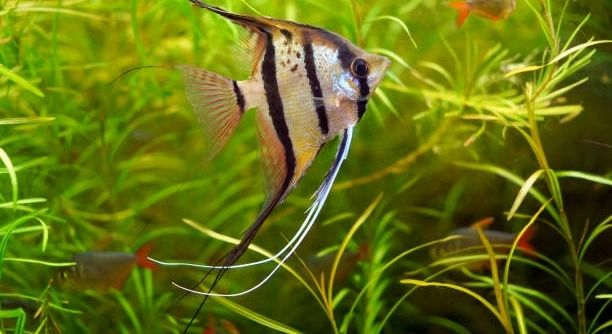
Angelfish are beautiful and popular aquarium fish. Observing their behavior can help ensure they stay healthy and comfortable in their environment. If your angelfish is swimming with its mouth open, it may indicate something worth checking.
There are several potential reasons why your angelfish may swim with its mouth open. It could be due to stress, poor water quality, or a physical issue like gill damage. Monitoring water conditions and fish health is important.
Understanding these reasons will guide you in providing the right care for your angelfish. Keep reading to learn more about what might be causing this behavior.
Stress or Anxiety
Angelfish can easily become stressed due to changes in their environment. Stress can result from factors like overcrowding, sudden temperature changes, or territorial disputes with other fish. When stressed, angelfish may display unusual behaviors such as swimming with their mouths open. This is often a sign that they are trying to breathe more efficiently or adjust to discomfort.
Ensure your aquarium is spacious and well-maintained, with proper filtration and water temperature. Avoid placing aggressive fish or too many tank mates in close quarters. Keeping the environment stable will help minimize stress and reduce the chances of your angelfish displaying this behavior.
Creating a peaceful atmosphere for your fish is essential for their health. Managing stress will also contribute to your angelfish’s overall well-being. Regular monitoring and a calm environment are key in preventing further stress-induced behavior like open-mouth swimming.
Poor Water Quality
Poor water quality is one of the main factors affecting fish behavior. High levels of ammonia, nitrites, or low oxygen can cause angelfish to open their mouths to get more air.
Make sure to test the water regularly and perform water changes as needed to maintain good quality. Keep the water parameters in check, including pH and temperature, to prevent any harmful fluctuations. Proper filtration is also crucial in ensuring your fish have access to clean and safe water.
By addressing water quality issues, you can reduce the stress on your angelfish and help it return to normal behavior. Testing and adjusting the water regularly is a simple yet effective way to maintain a healthy aquarium.
Gill Issues or Infection
Angelfish may swim with their mouths open if they are suffering from gill infections or other gill-related issues. Infections, parasites, or physical injuries can block their ability to breathe normally, causing them to open their mouths wider in an attempt to get more oxygen.
Look out for other signs like lethargy, difficulty swimming, or abnormal gill movement. If any of these symptoms appear, it’s important to act quickly. A proper diagnosis can be made by inspecting the fish closely or taking it to an aquatic vet.
Infections are often treated with medication that targets the specific issue, such as antibiotics for bacterial infections or anti-parasitic treatments. A clean environment is essential to prevent further outbreaks. Make sure your aquarium has a good filtration system and water changes to promote healing.
Overfeeding
Overfeeding can contribute to a variety of health problems, including digestive issues and poor water quality. When your angelfish is overfed, the excess food breaks down in the water, leading to waste buildup and potentially harmful water conditions. This can cause your fish to open its mouth, either due to discomfort or to try and clear out excess debris.
Feed your angelfish small, appropriate portions, and remove uneaten food after feeding. Doing so helps prevent water contamination and keeps the tank clean. Overfeeding is a common mistake that can harm fish health in the long term.
Regularly cleaning the tank and controlling feeding schedules are key to maintaining healthy aquarium conditions. This will also help reduce the chances of your angelfish developing behavioral problems, like swimming with its mouth open.
Water Temperature Fluctuations
Temperature changes can be stressful for angelfish. When the water temperature fluctuates, it may affect their breathing patterns, causing them to swim with their mouths open. Keeping the water temperature consistent is crucial for their comfort and health.
Use a reliable aquarium heater to maintain a stable temperature. Regularly check the water with a thermometer to avoid any sudden shifts that might trigger discomfort. Small adjustments are better than large, sudden changes.
Maintaining the right temperature helps your angelfish stay calm and reduces stress, leading to more natural behavior. Avoid placing the tank in areas with drafts or direct sunlight.
Inadequate Oxygen Levels
Angelfish require oxygen-rich water to stay healthy. Low oxygen levels can cause them to open their mouths to try and breathe more efficiently. This may happen if the water is stagnant or if the filtration system isn’t working properly.
Increase water movement by adding a bubbler or adjusting the filter flow. You can also add live plants to help oxygenate the water naturally. Ensuring your aquarium has proper aeration will keep your angelfish breathing comfortably.
Good oxygen levels are essential for the overall health of your fish. Regular maintenance of the filtration system helps keep the water well-oxygenated and supports their natural behaviors.
FAQ
Why is my angelfish swimming with its mouth open?
There are several reasons why your angelfish might swim with its mouth open. It could be due to stress, poor water quality, gill infections, or inadequate oxygen levels. Stress from overcrowding or sudden changes in the environment can lead to this behavior. Similarly, poor water quality or fluctuating temperatures can make the fish more likely to open its mouth to breathe more easily. If the gills are infected or damaged, the fish might open its mouth to get more oxygen. Ensuring clean water, stable conditions, and monitoring the fish’s health can help identify the cause.
How can I fix poor water quality in my aquarium?
Poor water quality can lead to a range of health issues for your angelfish. Regular water changes, at least 25-30% weekly, are essential to maintain water quality. Use an efficient filtration system that can handle the tank size, and regularly clean the filter to avoid clogging. Test the water regularly to monitor ammonia, nitrite, and nitrate levels. If needed, use water conditioners to neutralize harmful chemicals or toxins. By staying on top of water changes and monitoring parameters, you’ll create a cleaner and safer environment for your fish.
How can I reduce stress in my angelfish?
To reduce stress in your angelfish, ensure that the tank is large enough for them to swim freely. Avoid overcrowding by following the recommended stocking guidelines. Create a peaceful environment by avoiding aggressive tank mates and providing hiding spots like plants or decorations. Keep the water temperature stable, and make sure the aquarium’s filtration system is working properly. Additionally, avoid making sudden changes to the tank, such as moving decorations or altering water conditions too drastically. By maintaining a calm and stable environment, you can help minimize stress.
Can overfeeding cause my angelfish to swim with its mouth open?
Yes, overfeeding can contribute to the issue. When angelfish are overfed, the leftover food can pollute the water, leading to poor water quality. This, in turn, can cause stress and make the fish more likely to swim with its mouth open as it attempts to breathe more efficiently. Overfeeding can also cause digestive problems for the fish. It’s best to feed them small portions, only what they can consume in a few minutes, and remove any uneaten food promptly. This will prevent excess waste in the tank and help maintain a healthier environment.
What can I do if my angelfish has a gill infection?
If your angelfish has a gill infection, it’s important to act quickly. Look for signs such as labored breathing, abnormal gill movement, or redness around the gills. You can treat the infection with medicated fish treatments that are available at pet stores or from an aquatic veterinarian. Depending on the infection, you may need antibiotics, antifungal, or antiparasitic treatments. In the meantime, make sure the water quality is optimal by performing frequent water changes and maintaining proper filtration. Isolating the infected fish in a quarantine tank can also help prevent spreading the infection to other fish.
How do I know if my angelfish needs more oxygen?
If your angelfish is frequently swimming with its mouth open or staying near the surface of the water, it may be struggling with low oxygen levels. You can increase oxygenation in the tank by adjusting the filter to increase water movement or adding an air pump. Adding live plants can also help oxygenate the water, as they produce oxygen during the day. Ensure the water has good circulation to prevent stagnant areas, which can lead to oxygen-deprived pockets. Regularly monitoring oxygen levels with a test kit can help you determine if adjustments are needed.
Can sudden changes in water temperature affect my angelfish?
Yes, sudden temperature changes can cause stress and disrupt your angelfish’s natural behavior. Fish are sensitive to temperature fluctuations, and sudden changes can make them more likely to open their mouths to breathe easier or even cause illness. To avoid temperature stress, always keep the aquarium at a stable, appropriate temperature for angelfish, ideally between 76°F and 82°F (24°C – 28°C). Use a reliable heater to maintain the water temperature, and monitor it regularly with a thermometer. Avoid placing your aquarium in direct sunlight or near drafts, as these can cause temperature fluctuations.
Why is my angelfish swimming in circles or acting strangely?
If your angelfish is swimming in circles or showing erratic behavior, it could be a sign of stress, illness, or poor water quality. Check the water parameters and make sure there are no drastic fluctuations in temperature or pH. If the water quality is poor, perform a water change and clean the filter. Fish can also swim in circles when they are stressed by tank mates or territorial issues. If the behavior persists, observe the fish for signs of infection or injury, and consult with a vet or aquarium specialist for further guidance.
How can I prevent my angelfish from getting sick?
To prevent sickness, maintain good water quality by performing regular water changes, keeping the filter clean, and monitoring water parameters. Avoid overfeeding, as this can lead to poor water quality and stress. Ensure that the tank is not overcrowded, and choose compatible tank mates that won’t cause aggression. Regularly check the health of your angelfish and look for early signs of illness, such as changes in behavior, loss of appetite, or abnormal swimming patterns. Quarantine new fish before introducing them to the main tank to avoid introducing potential diseases.
How can I maintain a stable water temperature for my angelfish?
A stable water temperature is essential for your angelfish’s well-being. Invest in a high-quality aquarium heater designed for your tank size. Set the heater to the appropriate temperature, between 76°F and 82°F, and monitor it regularly with a thermometer. Make sure the heater is placed in a location with good water flow for even heat distribution. Avoid placing the tank near windows, air conditioners, or heaters that could cause temperature fluctuations. By maintaining a consistent water temperature, you help ensure that your angelfish stays comfortable and healthy.
Final Thoughts
Understanding why your angelfish swims with its mouth open can help you address the issue and create a better environment for your fish. Many factors, such as poor water quality, stress, low oxygen levels, or even infections, can contribute to this behavior. By recognizing the cause, you can take the necessary steps to correct it and prevent future problems. Regular water changes, monitoring temperature, and ensuring proper aeration can go a long way in maintaining a healthy aquarium.
It’s also important to remember that each angelfish is unique, and behavior can vary. What works for one fish might not be the same for another. However, by staying vigilant and monitoring the conditions of your aquarium, you can help your angelfish thrive. If the behavior continues despite your best efforts, it may be helpful to consult an aquarium professional or veterinarian who specializes in fish health. They can offer more tailored advice based on your specific situation.
Ultimately, providing a stable and clean environment for your angelfish will reduce stress and improve its overall health. By keeping an eye on water quality, temperature, and oxygen levels, you create the best possible conditions for your fish to swim comfortably and naturally. Remember, angelfish are sensitive creatures, and making small adjustments to their environment can make a big difference in their well-being.

Hello,
If you enjoy the content that we create, please consider saying a "Thank You!" by leaving a tip.
Every little bit helps us continue crafting quality advice that supports the health, happiness, and well-being of pets around the world, for pets of all shapes, sizes, and species.
We really appreciate the kindness and support that you show us!