
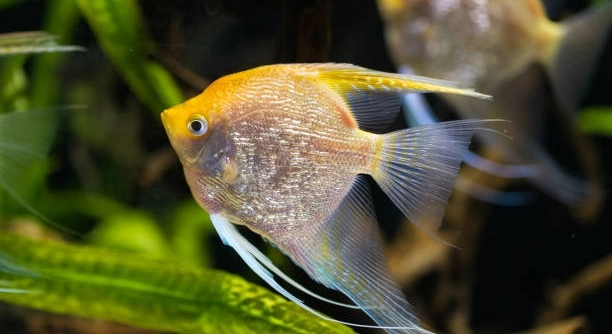
Angelfish are known for their beauty and vibrant colors, but they can sometimes become aggressive, especially in confined spaces. This behavior can be a concern for aquarium owners who want peaceful tank environments.
To stop angelfish from fighting, it is essential to create a peaceful environment by providing plenty of space, hiding spots, and maintaining proper water conditions. Minimizing stressors and ensuring compatible tank mates also helps reduce aggression.
By following these tips, you can help keep your angelfish calm and foster a more harmonious aquarium.
1. Proper Tank Size and Layout
Providing a spacious tank is key to reducing angelfish aggression. A cramped environment can stress the fish and increase territorial disputes. A minimum of a 30-gallon tank is ideal for a pair of angelfish, with larger tanks recommended for multiple fish. The more space your angelfish have to swim, the less likely they are to fight over territory. In addition to tank size, the layout is important. Using plants, rocks, and decorations helps break up the tank, giving each fish a place to hide if needed. This layout also creates a more natural environment, helping your angelfish feel more secure.
Creating a space where each angelfish can claim its own territory will minimize fighting. A well-designed tank layout can go a long way toward keeping peace in your aquarium.
To further enhance the peace, include plants with long, flowing leaves or large rocks that angelfish can hide behind. These items create natural barriers, preventing fish from encountering each other too often and helping reduce aggressive behavior.
2. Tank Mates Matter
Choosing compatible tank mates is essential for reducing aggression among angelfish. Some species, such as small, peaceful fish, may stress your angelfish. This stress can lead to fighting. Angelfish may show aggression toward other fish they see as a threat or competition for resources. Avoid placing other territorial or similarly sized fish in the tank. Consider species like tetras or corydoras catfish, which are calm and unlikely to provoke aggression.
Additionally, it’s essential to avoid overcrowding. Overcrowded tanks can create stress for all fish, leading to an increase in aggressive behaviors. When choosing tank mates, aim for species that don’t invade the angelfish’s space or disturb their territory. The right mix can create a balanced, peaceful environment.
A peaceful, well-maintained tank will help keep your angelfish stress-free, preventing unnecessary aggression. When properly managed, angelfish can peacefully coexist with others in the same aquarium.
3. Maintain Stable Water Conditions
Angelfish are sensitive to changes in water conditions, and fluctuations can cause stress, which leads to aggression. Make sure your tank’s water temperature is consistent, ideally between 76°F and 82°F. Regularly check water parameters like pH, ammonia, and nitrate levels to ensure they stay within the optimal range. Poor water quality can also affect angelfish health, making them more irritable and prone to fighting.
Frequent water changes are essential to maintain a healthy environment. Performing water changes of around 25% every two weeks helps remove toxins and maintain stable conditions. Use a good water testing kit to monitor ammonia, nitrites, and nitrates. This will ensure your angelfish are living in a balanced, stress-free environment, reducing the likelihood of fights.
Investing in a quality filter can further stabilize the water conditions. It ensures efficient filtration and helps keep the water clean, which directly impacts the health and behavior of your angelfish. Clean water means happier, less stressed fish who are less likely to fight.
4. Feed Your Angelfish Properly
Proper feeding plays a significant role in reducing aggression. If angelfish are underfed or competing for food, they may fight over the limited resources. Ensure they get enough high-quality food, such as flakes, pellets, or live food like brine shrimp. Feed them small amounts twice a day to avoid overfeeding, which can lead to water pollution.
Overfeeding should be avoided, as it can contribute to poor water quality, adding stress to the tank. Distribute food evenly across the tank to prevent one fish from dominating the feeding area. If the angelfish don’t compete for food, it can reduce their aggression significantly.
You can also vary their diet with different types of food. Providing a balanced diet, including high-protein foods and occasional vegetables, ensures angelfish stay healthy and content. Healthy fish are less likely to engage in aggressive behavior, keeping the peace in your tank.
5. Separate Aggressive Fish
If one of your angelfish is showing constant aggression toward others, it’s best to separate it from the group. Aggressive fish can cause stress and injury to the other fish, which can escalate the problem. Moving the aggressive angelfish into a separate tank can help maintain harmony in your aquarium.
While separating aggressive fish, monitor the situation closely. Sometimes, the aggression may only be temporary, but in more severe cases, it may be necessary to keep the fish isolated for longer periods. Allowing the fish time to calm down can be a helpful strategy.
6. Avoid Breeding Triggers
Breeding can trigger aggression among angelfish. When angelfish pair off, they often become territorial and protective of their nesting area. To avoid breeding-related aggression, ensure that both males and females are kept in a tank large enough for each to have their space.
If breeding behavior starts to show, consider adding more hiding spots. The more secure they feel in their environment, the less likely they will fight over territory. A few extra plants or decorations can make a significant difference in preventing conflicts over breeding sites.
7. Observe Fish Behavior Regularly
Regularly observing your angelfish is crucial for detecting any early signs of aggression. Watching how they interact with each other can help identify if one fish is becoming too dominant or territorial. By observing their behavior, you can take action early to prevent fighting.
If you see one angelfish bullying others, it’s essential to intervene before the situation worsens. Immediate action, such as adjusting tank conditions or removing the aggressor, can prevent physical harm and ensure the health of all fish in the tank.
FAQ
How can I tell if my angelfish are fighting or just playing?
Angelfish can display different behaviors that might be mistaken for fighting. However, true fighting typically involves one fish chasing or aggressively nipping at another, often leading to visible damage. When angelfish are just playing, they might swim around each other but not engage in physical contact. If your angelfish are locking their mouths or showing signs of stress, such as darting away quickly, they are likely fighting.
Why are my angelfish suddenly aggressive?
Several factors can trigger aggression in angelfish, including changes in water conditions, overcrowding, or the presence of potential threats. If an angelfish feels stressed due to poor water quality or a lack of space, it may become territorial and aggressive. Additionally, if there are breeding conditions in the tank, aggression can increase as angelfish defend their territories or eggs.
Can angelfish live with other species?
Yes, angelfish can live with other species, but care must be taken when selecting tank mates. Peaceful fish like tetras, corydoras catfish, and small plecos are often good companions. Avoid placing other aggressive or territorial species in the tank, as this can cause stress and conflict among the fish.
How do I stop angelfish from fighting with each other?
The best way to stop angelfish from fighting is by providing plenty of space in the tank, ensuring proper water conditions, and selecting compatible tank mates. You should also avoid overcrowding and introduce hiding spots or plants to reduce stress. If fighting persists, consider separating aggressive individuals.
What should I do if my angelfish is injured from fighting?
If one of your angelfish is injured, isolate it from the rest of the tank to prevent further aggression. Clean any wounds with aquarium-safe treatments, and monitor the injured fish closely for signs of infection. Make sure the water conditions in the tank are optimal to support healing.
Can I use a divider to stop angelfish from fighting?
Yes, a divider can be an effective way to separate aggressive angelfish temporarily. This allows each fish to have its own space while still being able to see one another. However, it’s important to monitor the situation closely, as some angelfish may still display aggression through the divider.
How can I tell if my angelfish are stressed?
Stressed angelfish may display erratic swimming patterns, reduced appetite, or changes in behavior, such as hiding more often. Their colors may also fade or become dull. Stress can be caused by poor water quality, overcrowding, or aggression from tank mates. Identifying and addressing the source of stress quickly is crucial for their well-being.
Do angelfish need a specific water temperature to stop fighting?
Yes, angelfish thrive in water temperatures between 76°F and 82°F. If the temperature is too high or low, it can stress the fish, making them more prone to aggressive behavior. Maintaining a consistent water temperature within this range helps keep the fish calm and reduces fighting.
Can I add more angelfish to a tank if they are fighting?
Adding more angelfish to a tank where fighting is already occurring is not recommended. It can lead to further territorial disputes, as the new fish may be seen as competition. It’s better to address the root cause of the aggression, such as overcrowding or poor water quality, before adding more fish.
How often should I clean the tank to avoid aggression in angelfish?
Regular tank cleaning is essential for preventing aggression. Perform partial water changes every two weeks to maintain water quality and remove toxins that can stress the fish. Clean the substrate and filter regularly to keep the environment healthy. A clean tank will help reduce the chances of aggression among your angelfish.
Is it better to have a male and female pair or multiple angelfish?
It depends on your tank size and setup. A male and female pair can coexist peacefully if they have enough space and proper hiding spots. However, if you want multiple angelfish, ensure the tank is large enough to accommodate them. Overcrowding can lead to competition and aggression. The key is to balance the number of fish with the available space and resources.
What size tank do I need for multiple angelfish?
For multiple angelfish, you should have at least a 55-gallon tank, but larger is always better. Angelfish need ample space to establish territories and reduce stress. A larger tank also provides more room for hiding spots and plants, which can help reduce aggressive behavior.
Can I keep angelfish with other aggressive species?
While some aggressive species can live with angelfish, caution should be exercised when pairing them. Aggressive fish like cichlids or large, territorial fish may cause stress to angelfish, leading to fighting. It’s best to avoid keeping them with fish that are likely to challenge their dominance in the tank.
What are signs that my angelfish are getting along?
Angelfish that are getting along typically swim together in harmony, without chasing or nipping at each other. They may share hiding spots or swim through plants without displaying any signs of aggression. Their colors remain vibrant, and they are active and healthy in the tank.
How can I make my angelfish less territorial?
To reduce territorial behavior, provide enough space for each angelfish, with plenty of hiding spots and decorations. Keep the tank clean, maintain stable water conditions, and avoid overcrowding. Also, ensure that tank mates are peaceful and non-competitive, so that the angelfish feel secure in their environment.
Final Thoughts
Angelfish are beautiful and relatively peaceful creatures, but like any fish, they can become aggressive under certain conditions. Understanding the causes of aggression is essential to maintaining a peaceful aquarium. Factors like overcrowding, poor water quality, and stress from tank mates can all contribute to fighting among angelfish. By recognizing these signs early and adjusting the tank environment, it’s possible to prevent most conflicts before they escalate into serious problems.
One of the most effective ways to reduce aggression is to ensure your tank is large enough and well-planted. Angelfish need plenty of space to swim and establish their own territories. Adding decorations like rocks, plants, and other hiding spots can create natural barriers that help reduce territorial disputes. Also, regular water changes and maintaining optimal water parameters are key to keeping the fish calm. Stress from poor water quality or fluctuating temperatures can make angelfish more aggressive and prone to fighting.
While some level of aggression is normal, especially during breeding, taking steps to address the root causes can make a significant difference in the long term. Ensuring that each fish has enough space, providing a peaceful environment, and monitoring their behavior regularly can help keep your angelfish happy and healthy. By being proactive and observant, you can reduce aggression and create a harmonious tank where all your fish can thrive together.

Hello,
If you enjoy the content that we create, please consider saying a "Thank You!" by leaving a tip.
Every little bit helps us continue crafting quality advice that supports the health, happiness, and well-being of pets around the world, for pets of all shapes, sizes, and species.
We really appreciate the kindness and support that you show us!