
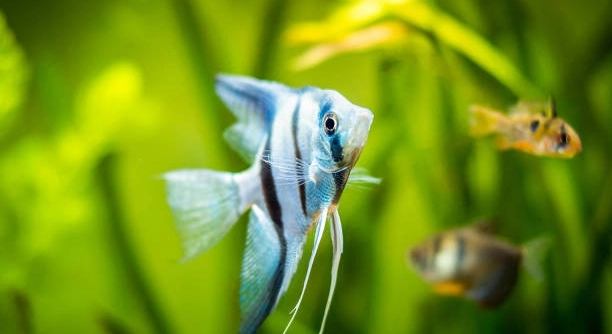
Angelfish are popular aquarium fish known for their striking appearance. However, sometimes their beautiful stripes may start to fade or disappear. This can be worrying for any angelfish owner, but there are several reasons why this happens.
Angelfish may lose their stripes due to stress, poor water quality, illness, or improper tank conditions. Inadequate lighting or poor diet can also affect their color. Understanding the underlying causes is crucial for addressing this issue.
By learning more about these factors, you’ll be able to identify what might be causing your angelfish’s stripes to fade. This way, you can take the right steps to restore their vibrant colors.
Stress and Environmental Changes
Angelfish are sensitive to changes in their environment. When they feel stressed, their colors can fade, and their stripes may disappear. This stress can come from several factors, such as sudden temperature changes, loud noises, or aggressive tank mates. Fish can be especially sensitive to new or unfamiliar environments. It’s essential to keep a consistent and peaceful setting for your angelfish to thrive. Stress can also affect their overall health, making them more prone to diseases.
If your angelfish is stressed, it may try to hide or stay in a corner, avoiding other fish. It’s vital to ensure the tank has plenty of hiding spots where your fish can retreat to feel secure. Reducing tank disturbances and maintaining stable water conditions is key.
Additionally, it’s important to monitor interactions with other fish. Some species may not be suitable tank mates for angelfish. Tank mates that are too aggressive or overly active can stress your angelfish, leading to color loss. Keeping a calm and peaceful aquarium can help your angelfish keep its natural color.
Water Quality Issues
Poor water quality can quickly affect your fish’s health and appearance. Unclean or unbalanced water can cause stress and trigger changes in your angelfish’s color. Ammonia and nitrate levels should always be checked regularly, as they can cause harm to the fish. Too high of these levels can result in fading stripes.
Water changes are essential to maintain a healthy tank. Regular water changes help eliminate toxins and maintain the ideal environment for your angelfish. Proper filtration is also important to remove harmful substances from the water. Additionally, you should regularly clean the substrate and decorations in the tank to prevent the buildup of waste and bacteria.
When water quality is poor, your fish may also show other signs of illness, such as reduced appetite or sluggish movement. If you notice any of these symptoms along with the loss of stripes, it’s crucial to address the water conditions immediately to avoid further harm. Maintaining a stable, clean environment helps ensure your angelfish stays vibrant and healthy.
Illness or Infection
Diseases can be a significant factor in why your angelfish is losing its stripes. Infections, both bacterial and fungal, can affect their appearance. These illnesses often cause the fish to lose its natural coloring, and in some cases, it can lead to discoloration of the stripes.
If you notice other signs like abnormal swimming, loss of appetite, or lesions on your angelfish, it’s time to act. Treating the infection early is crucial for recovery. Sometimes, medications designed for fish can help eliminate bacterial or fungal infections, and maintaining good water quality can prevent further spread of diseases.
The loss of stripes due to illness is often accompanied by other visible symptoms like lesions or fin damage. It’s essential to quarantine any affected fish immediately to prevent the infection from spreading to others in the tank. Regularly check your fish for signs of illness, as early detection can make a big difference in treatment effectiveness.
Diet Deficiencies
An unbalanced diet can lead to faded stripes and poor health in your angelfish. If they are not getting the right nutrients, their colors may start to fade. Angelfish need a variety of foods to stay vibrant, including high-quality flakes, pellets, and occasional live food.
A poor diet could result in nutrient deficiencies, especially a lack of carotenoids and essential vitamins. These nutrients are responsible for maintaining their colors and overall health. To keep your fish vibrant, provide a balanced diet and include foods rich in these important nutrients.
Offering a variety of foods helps meet your angelfish’s nutritional needs. In addition to commercial fish food, supplementing with live or frozen foods like brine shrimp or bloodworms can improve the overall health and coloration of your fish. Keeping your angelfish well-fed with a varied diet will help prevent loss of stripes and support its overall well-being.
Lighting and Tank Conditions
Improper lighting can affect your angelfish’s color, including the loss of stripes. Too much light can cause stress, while insufficient light can make the fish appear dull. It’s crucial to provide moderate, natural lighting for optimal health.
Be mindful of the duration your lights stay on. Keeping them on for too long can stress your fish, causing color changes. Try to mimic natural light cycles by having your tank light on for 8–10 hours daily. A timer can help maintain consistency in lighting, ensuring your fish stay comfortable and colorful.
Water Temperature
Angelfish are sensitive to water temperature, and fluctuations can cause them to lose their stripes. The ideal range is between 76°F to 82°F (24°C to 28°C). Temperatures outside this range can lead to stress and color fading.
To maintain a stable temperature, use a reliable heater and thermometer. Constantly changing temperatures can make your angelfish uneasy, affecting their overall appearance. If you notice that your fish’s stripes are fading, check the water temperature to ensure it is within the proper range.
Aggressive Tankmates
Aggressive tankmates can cause stress for angelfish, leading to fading stripes. When other fish are too territorial or aggressive, it can result in constant stress for your angelfish, which shows up in the form of lost color.
If you notice that one or more of your tankmates are aggressive toward your angelfish, consider rearranging the tank or separating them. Fish like bettas or other fin-nippers might need to be removed to ensure your angelfish can live peacefully.
Why are my angelfish’s stripes fading?
There are several reasons why your angelfish’s stripes may be fading. Common causes include stress, poor water quality, illness, and inadequate lighting. Stress can be triggered by environmental changes, aggressive tankmates, or inconsistent water conditions. If the water quality is poor, it can negatively affect the fish’s appearance, including fading stripes. Certain diseases or infections can also cause your angelfish to lose its stripes. It’s essential to monitor both the physical and environmental conditions of the tank to pinpoint the cause.
Can poor water quality cause angelfish to lose their stripes?
Yes, poor water quality is a major contributor to color loss in angelfish. High levels of ammonia, nitrates, and nitrites can stress fish and affect their health. These chemicals can be harmful, leading to fading stripes or other visible symptoms like sluggishness or loss of appetite. To avoid this, perform regular water changes, monitor water parameters using test kits, and ensure your filtration system is working efficiently.
How can I improve the lighting in my angelfish tank?
Proper lighting plays a significant role in maintaining the health and color of your angelfish. Avoid excessive or too little light, as both can cause stress and impact their stripes. Aim for a light cycle of 8–10 hours a day to mimic natural day and night patterns. Using a light timer can help regulate the lighting schedule. Additionally, make sure the lighting intensity is moderate and not too harsh. Too much light can cause algae growth, while insufficient lighting may leave your fish looking dull.
Can angelfish lose their stripes due to temperature fluctuations?
Yes, temperature fluctuations can cause your angelfish to lose their stripes. Angelfish prefer a consistent water temperature between 76°F and 82°F (24°C to 28°C). Sudden changes in temperature can stress the fish, leading to faded or lost stripes. It’s essential to maintain a stable temperature in your tank using a reliable heater and thermometer. Check the water temperature regularly to ensure it remains within the ideal range for your angelfish.
Do angelfish need specific tankmates?
Angelfish do better with peaceful or similarly sized fish. Tankmates that are too aggressive or territorial can stress your angelfish, which can result in lost stripes or other behavioral changes. Avoid pairing angelfish with fin-nippers, such as certain species of tetras or bettas. Instead, opt for tankmates like peaceful catfish, livebearers, or other non-aggressive species. A peaceful, stress-free environment will help your angelfish retain its natural color.
Can I restore my angelfish’s stripes once they’ve faded?
Yes, in most cases, you can restore your angelfish’s stripes by addressing the underlying cause. For instance, if the issue is poor water quality, improving filtration and performing water changes can help. If the fish is stressed, reducing tank disturbances or separating it from aggressive tankmates can make a difference. Adjusting the lighting and maintaining stable temperature levels will also contribute to restoring its natural colors. Once the stress or environmental factors are under control, your angelfish should begin to show its stripes again over time.
Is it normal for angelfish to lose their stripes occasionally?
It’s normal for angelfish to temporarily lose their stripes due to minor stress, water changes, or other temporary factors. However, if the stripes do not return after addressing these issues, there may be an underlying health problem. Pay close attention to other signs of illness, such as lethargy or a loss of appetite, and consider treating your fish if necessary.
Should I quarantine my angelfish if it loses its stripes?
If your angelfish’s stripes are fading due to illness, it’s a good idea to quarantine the fish. This will prevent any potential disease from spreading to other fish in the tank. Quarantining allows you to observe the angelfish closely and begin treatment without further stressing other fish. It’s important to monitor the fish’s behavior and appearance to determine if an infection is the cause of the stripe loss.
How often should I feed my angelfish to maintain its stripes?
A balanced diet is essential for maintaining the color of your angelfish. You should feed them once or twice a day with a variety of high-quality foods. Offer flakes, pellets, and occasional live or frozen foods like brine shrimp or bloodworms. This variety ensures your angelfish gets all the nutrients it needs for vibrant colors, including the carotenoids that help maintain its stripes. Avoid overfeeding, as this can cause water quality issues, which can negatively affect the fish’s appearance.
Can stress alone cause angelfish to lose their stripes?
Yes, stress can be a significant factor in why angelfish lose their stripes. Fish that are stressed due to changes in their environment, aggressive tankmates, or poor water quality may experience fading stripes as a result. Maintaining a stable and peaceful tank environment is key to reducing stress and helping your angelfish retain its stripes. Stress can also weaken the immune system, making the fish more susceptible to diseases that could further affect its appearance.
In conclusion, the loss of stripes in angelfish can often be traced back to several factors related to their environment, health, and overall care. Whether it’s stress, poor water quality, or inadequate lighting, each of these elements plays a significant role in how your angelfish maintains its vibrant appearance. It’s essential to observe the tank conditions regularly, ensuring that the water parameters are optimal and the fish is not subjected to any stressful conditions. A calm, stable environment with appropriate tankmates, the right temperature, and a good lighting schedule will help support the health of your angelfish and maintain its natural colors.
Addressing the underlying causes of stripe loss involves taking a proactive approach to your angelfish’s care. If you notice that the stripes are fading, it’s important to act quickly to identify any possible issues, whether it be a sign of illness, poor nutrition, or stress. By providing a balanced diet, regular water changes, and proper tank maintenance, you can improve your angelfish’s overall health and bring back its beautiful stripes. Quarantining sick fish and treating any infections promptly can also help prevent the problem from spreading and worsening.
Ultimately, maintaining a healthy, well-balanced tank is the best way to ensure your angelfish stays colorful and vibrant. By understanding the common causes of stripe loss and taking action to resolve them, you can help your fish thrive in its environment. Keeping a watchful eye on your tank’s water quality, temperature, lighting, and fish behavior will help you prevent future issues and ensure your angelfish remains healthy and full of life.

Hello,
If you enjoy the content that we create, please consider saying a "Thank You!" by leaving a tip.
Every little bit helps us continue crafting quality advice that supports the health, happiness, and well-being of pets around the world, for pets of all shapes, sizes, and species.
We really appreciate the kindness and support that you show us!