
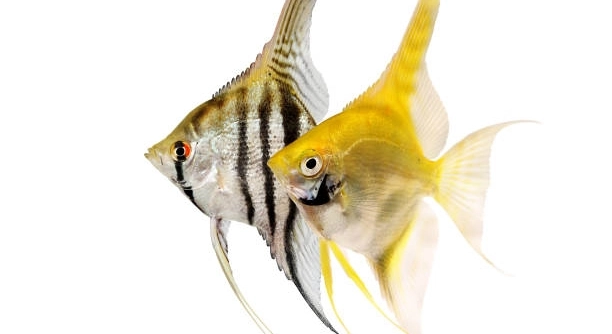
Angelfish are beautiful and delicate creatures that many aquarium owners love to care for. However, there are several factors that can unknowingly harm their health, causing unnecessary stress or even illness. Understanding these factors is key to their well-being.
There are several common mistakes that can negatively affect the health of your angelfish. Improper water conditions, overfeeding, and inadequate tank size can all contribute to stress and illness. These factors can shorten their lifespan and cause long-term harm if not corrected.
By learning to avoid these pitfalls, you can create a healthier and happier environment for your angelfish. Small changes can lead to big improvements in their overall care.
Incorrect Water Conditions
Water quality is crucial for the health of your angelfish. Many aquarium owners overlook the importance of maintaining proper water parameters such as pH, temperature, and ammonia levels. Angelfish thrive in water that is warm, slightly acidic, and free from harmful chemicals. If the water becomes too acidic or alkaline, or if the ammonia or nitrate levels are too high, it can lead to stress and illness for your fish.
Even though you may be changing the water regularly, it’s essential to test it to ensure it meets your angelfish’s needs. If the water temperature is inconsistent, it could cause them to become lethargic. Extreme changes in water chemistry can also cause sudden health issues. Inconsistent water parameters can weaken your angelfish, making them more vulnerable to diseases like fin rot or ich.
Using a water test kit to check ammonia, nitrite, nitrate, and pH levels will help keep the tank in the ideal range for your fish. Make sure to adjust the water conditions slowly to avoid shocking your angelfish. Regular water changes and proper filtration are essential for keeping the environment safe.
Overfeeding Your Angelfish
Overfeeding can lead to many problems in an aquarium. It causes water pollution and encourages obesity in angelfish, both of which can harm them.
Angelfish only need to be fed small portions once or twice a day. If left unchecked, uneaten food will decompose in the water, creating toxic substances that harm both the fish and the tank’s environment.
Inadequate Tank Size
Your angelfish need space to thrive, and a small tank can lead to stress and health issues. Angelfish can grow large, and keeping them in a cramped environment stunts their growth and leads to aggression.
A 20-gallon tank is the minimum for a single angelfish, but they will be much happier in a 30-gallon or larger. When angelfish don’t have enough space, they are more likely to experience stress, which can weaken their immune system and increase the chances of disease. Keeping the tank clean and maintaining the right water conditions in a larger space is also much easier.
Additionally, overcrowding a tank with other fish can lead to territorial disputes and competition for food. If you’re planning to add tank mates, ensure they have enough space to swim freely. Keeping fewer fish in a larger tank is always better than cramming many into a small one.
Poor Tank Maintenance
Neglecting regular tank maintenance will harm your angelfish over time. Without routine cleaning, waste and uneaten food can accumulate, making the water toxic.
Cleaning the substrate, trimming plants, and maintaining proper filtration are essential tasks. Regular water changes—at least once a week—will help keep the water free of harmful substances, such as ammonia and nitrates. You should also clean the filter every month to ensure it’s working efficiently. If you don’t remove waste and debris, your angelfish will struggle to breathe and swim comfortably. It also creates the perfect environment for parasites and algae growth.
Wrong Tank Mates
Choosing the wrong tank mates can cause unnecessary stress for your angelfish. Aggressive or overly active fish can harass them, leading to injuries or health problems.
Angelfish do best with peaceful tank mates that don’t compete for the same food or space. Avoid keeping them with fin-nipping species, as these fish may damage their delicate fins. Choose companions that are similar in size and temperament.
Poor Lighting
Improper lighting can negatively affect your angelfish’s health and behavior. If your tank gets too much or too little light, it can cause stress or interfere with their natural sleep cycle.
A consistent light schedule of 10-12 hours a day is ideal for angelfish. Too much light can lead to algae growth, while too little can disturb their natural rhythms.
FAQ
How often should I feed my angelfish?
Angelfish should be fed once or twice a day, providing them only what they can eat within 2-3 minutes. Overfeeding can cause water quality issues, and leftover food will degrade the water. Small portions help keep the tank cleaner and prevent obesity. If you notice uneaten food, reduce the amount next time.
Can angelfish live with other fish?
Yes, angelfish can live with other fish, but you need to be careful with tank mates. They generally do well with peaceful species of similar size. Avoid aggressive fish or those that tend to nip at their fins, such as tetras or bettas. Research each species’ temperament before adding them to the tank.
What temperature do angelfish prefer?
Angelfish prefer a water temperature between 75-82°F (24-28°C). They thrive in warmer water, but temperatures that are too high can stress them. It’s essential to maintain a steady temperature, as fluctuations can weaken their immune systems. A reliable aquarium heater and thermometer will help keep the water stable.
What type of water is best for angelfish?
Angelfish thrive in soft, slightly acidic water, with a pH between 6.8 and 7.8. They prefer water with low hardness. Regular water testing is crucial to ensure the parameters are within the right range. If your tap water is too hard or alkaline, you may need to adjust it with special products or use filtered water.
How can I tell if my angelfish is sick?
Signs of illness in angelfish include faded colors, erratic swimming, staying near the surface or bottom, loss of appetite, or visible lesions on their body. If you notice these signs, it’s essential to isolate the affected fish and treat them promptly. Keep an eye out for other symptoms, such as rapid gill movement or fin clamping.
How do I prevent algae in my tank?
To prevent algae growth, control the amount of light your tank gets. Avoid leaving the light on for more than 12 hours a day. Regularly clean the glass and remove excess food and debris. Adding algae-eating fish like snails or certain species of fish can also help keep algae in check.
Why is my angelfish hiding?
Hiding can be a sign of stress, illness, or environmental discomfort. If your angelfish is hiding frequently, check the water parameters, ensure the tank is not overcrowded, and verify that no aggressive tank mates are bothering them. Illness or injury can also cause angelfish to hide more than usual.
What should I do if my angelfish is aggressive?
Angelfish can sometimes show aggression, especially when they are breeding or feel their territory is threatened. To reduce aggression, ensure there’s enough space for your angelfish, and provide hiding spots or plants where they can retreat if needed. If aggression persists, consider separating them into different tanks or rearranging the tank decor to disrupt territorial boundaries.
Can I keep multiple angelfish together?
Yes, you can keep multiple angelfish together, but it’s important to have a large enough tank. Angelfish can be territorial, especially during breeding. To reduce conflict, provide plenty of space, hiding spots, and plants to break up sightlines. A larger tank of 30 gallons or more is ideal for a small group.
Do angelfish need a filter?
Yes, a filter is essential for maintaining water quality in your angelfish tank. Angelfish are sensitive to poor water conditions, and a filter helps keep the water clean by removing waste, debris, and harmful chemicals. Choose a filter that provides gentle water flow, as angelfish don’t like strong currents.
Can I use tap water for my angelfish tank?
You can use tap water, but it’s important to test it first. Tap water can contain chlorine, chloramine, and other chemicals that can harm your angelfish. If your tap water is safe, you can use it, but consider using a water conditioner to remove harmful substances. Always check pH and hardness levels to ensure they are suitable for angelfish.
How do I breed angelfish?
Breeding angelfish requires specific conditions. They prefer to lay eggs on flat surfaces like rocks or leaves. Provide them with a clean, stable environment with the correct water parameters, including a slightly higher temperature (80-82°F or 27-28°C). Once they spawn, the parents will protect the eggs until they hatch. Make sure to have a separate breeding tank to prevent other fish from eating the eggs.
Why is my angelfish not eating?
If your angelfish refuses to eat, it could be a sign of stress, illness, or poor water quality. Check the tank’s water parameters and ensure it’s clean and at the correct temperature. If they are still not eating, observe their behavior for other signs of illness, such as abnormal swimming or hiding.
How often should I change the water?
It’s recommended to change 25-30% of the water every 1-2 weeks to maintain good water quality. If you have a heavily stocked tank, you may need to change the water more often. Always use dechlorinated water and make sure the temperature matches the tank’s water to avoid shocking the fish.
What do angelfish eat?
Angelfish are omnivores and will eat a variety of foods, including flakes, pellets, and live or frozen food like brine shrimp or bloodworms. A balanced diet is important for their health. Offer a mix of protein-rich foods and plant-based foods like spinach or algae wafers to provide complete nutrition.
Final Thoughts
Taking care of angelfish can be incredibly rewarding, but it’s important to recognize the things that could be negatively affecting their health without you even realizing it. Small mistakes like improper water conditions, overfeeding, or choosing the wrong tank mates can lead to stress, illness, and a shorter lifespan for your fish. By paying attention to their needs, such as maintaining the right water parameters, providing enough space, and choosing appropriate companions, you can help your angelfish live a long, healthy life.
Routine maintenance is another critical aspect of keeping your angelfish happy. Regular water changes, cleaning the tank, and checking for any signs of illness will go a long way in preventing problems. It might seem like a lot of work at first, but once you get into a regular care routine, it will become second nature. Keeping an eye on water quality, feeding habits, and the overall tank environment will make all the difference in the well-being of your angelfish.
Ultimately, the key to keeping your angelfish healthy and content is to be proactive. Monitor their behavior, make adjustments when necessary, and always stay informed about their needs. With the right care, your angelfish can thrive in a safe and comfortable environment, providing you with years of enjoyment as you watch them swim gracefully in your tank. By avoiding the common mistakes discussed, you can give your angelfish the best chance at a happy and healthy life.

Hello,
If you enjoy the content that we create, please consider saying a "Thank You!" by leaving a tip.
Every little bit helps us continue crafting quality advice that supports the health, happiness, and well-being of pets around the world, for pets of all shapes, sizes, and species.
We really appreciate the kindness and support that you show us!