
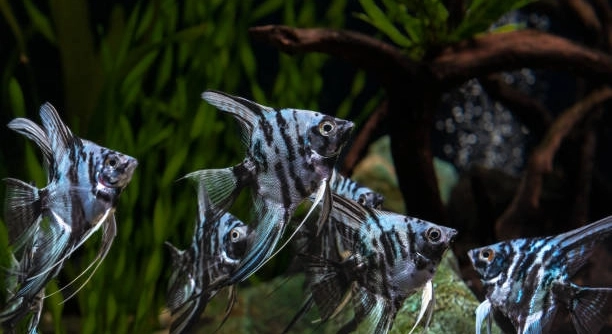
Angelfish are beautiful and intriguing creatures that bring life to any aquarium. Their behavior can sometimes puzzle fish owners, especially when they seem more active when you enter the room.
The reason your angelfish may seem more active when you enter the room is likely due to their association of you with feeding time or interaction. Angelfish often recognize their owners as a source of food and attention, leading to excitement.
Several factors can influence your angelfish’s behavior, from their natural instincts to environmental triggers. Understanding these reasons will help you better care for your angelfish and keep them healthy.
Feeding Time Anticipation
Angelfish are quick to associate their owners with food, which is why they often become more active when you enter the room. Fish, in general, tend to recognize feeding routines, and angelfish are no exception. They learn that your presence often means food is on the way. Over time, they can even start swimming to the surface or moving around excitedly when they spot you, anticipating the meal. This behavior is especially noticeable if you feed them at regular times.
Fish thrive on consistency, and regular feeding habits are a big part of that. When angelfish see you enter, they may swim closer to the surface or even follow your movements, excited for the possibility of food. While this behavior is normal and shows that your fish are comfortable with you, it’s also a reminder of their natural instinct to eat whenever possible. It’s important to avoid overfeeding, even if your angelfish seem to be extra enthusiastic.
Many owners notice this excitement and may find it endearing, but it’s crucial to remember that it’s all tied to the fish’s survival instinct. Their increased activity doesn’t always reflect a desire for interaction but a need for nourishment.
Recognition and Comfort
Angelfish can also grow attached to their owners over time. They start recognizing you as part of their environment, and this can lead to increased activity when you approach.
As fish develop this sense of recognition, they may swim in circles or come closer to the surface when they see you. This behavior reflects their comfort and trust. Angelfish have good vision and are capable of identifying their caretakers, much like how other pets do. When they see you, they may become more active, as they know they are in a safe, familiar space. This makes the aquarium environment more engaging for them, encouraging natural behaviors.
Feeding Schedule and Routine
When you feed your angelfish at consistent times, they will start to expect food at those moments. This routine can make them more active when they see you enter, as they associate your presence with a feeding opportunity.
Establishing a feeding schedule can make your fish easier to care for, as they will learn when to expect meals and when to be active. They might swim to the surface or become more visible in the tank when they recognize that it’s feeding time. This behavior is natural, but it’s also a good reminder to stick to proper feeding guidelines and avoid overfeeding.
If you’re consistent with feeding times, your angelfish will likely start swimming excitedly toward you, displaying their recognition of the routine. This is part of their learning process, making them feel comfortable and secure in their environment.
Environmental Factors
Angelfish react to changes in their environment, and your presence might signal a shift in the tank’s dynamic. If you walk into the room and your fish seem more active, it could be because they notice a change in their surroundings.
The lighting, temperature, or even the level of activity in the room can affect how active your angelfish become. They may be reacting to the simple presence of movement or new stimuli, such as shadows or sounds. For example, the sudden lighting change when you enter the room might encourage them to swim around more actively. Angelfish are sensitive creatures and pick up on even small environmental shifts.
Understanding how the tank’s environment affects your fish will help you create a balanced space that minimizes stress and promotes natural activity.
Curiosity and Exploration
Angelfish are naturally curious and will often swim around when they notice movement in their surroundings. When you enter the room, they may be simply exploring the space to understand their environment better.
Curiosity can lead them to become more active, especially if they perceive you as something interesting. They may swim closer to the glass or move around to observe your actions. This is a sign of their inquisitiveness and can be part of their daily behavior.
Stress and Anxiety
Sometimes, angelfish may become more active because they are feeling stressed or anxious. New people entering the room or changes in the aquarium setup can cause them to react.
When fish feel uncertain about their environment, they tend to swim more, possibly trying to find a safe space or adjust to the new situation. Stress can be caused by factors like changes in water quality, noise, or sudden movements. Keeping the tank environment stable can help reduce unnecessary stress.
Interactions with Other Fish
Angelfish are social creatures and may become more active when interacting with other tank mates. The presence of other fish can trigger natural social behaviors, especially during feeding times or when exploring their habitat.
When other fish swim around or approach the glass, your angelfish may become more excited, responding to the movement. This social interaction is typical in fish tanks, as angelfish tend to be aware of the other fish in their environment. By observing each other, they can show curiosity, excitement, or even territorial behavior.
FAQ
Why do my angelfish swim to the surface when I enter the room?
Angelfish swim to the surface when you enter the room because they are anticipating food or attention. They quickly associate your presence with feeding time, and the surface is where they often find food. This is a sign that they have learned to recognize you as their source of nourishment, and it shows their excitement to receive food. Some fish, including angelfish, also swim to the surface out of curiosity, as they seek out any potential changes or stimuli in their environment.
Is it normal for angelfish to get excited when I approach the tank?
Yes, it is completely normal for angelfish to become excited when you approach the tank. They may associate your presence with feeding or social interaction, and this leads to increased activity. This excitement is a natural response to the routine you have established with them. As long as it’s not excessive, such behavior is a sign of a healthy, well-adjusted fish that feels comfortable and safe in its environment.
Can my angelfish become too active?
While it’s normal for angelfish to become more active when you enter the room, excessive activity could be a sign of stress or environmental issues. Overactive behavior, like constant swimming in circles or rapid darting around the tank, might indicate that your fish are not feeling well or are stressed. Possible causes of stress include poor water quality, overcrowding, or too much noise in the environment. It’s important to monitor their behavior and make sure their habitat remains stable to avoid any health problems.
Do angelfish recognize their owners?
Yes, angelfish can recognize their owners. Fish are capable of associating specific people with feeding times and other activities, which leads them to remember and respond to familiar faces. They may learn to swim toward you when they see you enter the room or interact with you during feeding times. The more consistent your behavior with them is, the more likely they are to recognize you as a reliable source of food and care.
Why do my angelfish act differently when I feed them at different times?
Angelfish, like many fish, thrive on routine. If you feed them at different times each day, they may not be as excited or may become confused about when to expect food. This inconsistency can cause them to display erratic behavior, as they might be unsure of when food is coming. On the other hand, if you stick to a regular feeding schedule, they’ll learn the pattern and begin to anticipate food when they see you approach, leading to more predictable and calm behavior.
How can I reduce my angelfish’s stress levels?
To reduce your angelfish’s stress, you should ensure their environment is stable. Make sure the water quality is optimal, with regular water changes and proper filtration. Avoid sudden movements or loud noises around the tank. Providing enough space for them to swim comfortably is also important. If you have multiple fish in the tank, make sure they’re compatible to avoid territorial stress. A calm, consistent environment will help keep your angelfish happy and reduce any excessive activity linked to stress.
Are angelfish territorial?
Yes, angelfish can be territorial, especially when they are breeding or feeling threatened. They might display more aggression or territorial behavior when they are guarding a nest or a specific area in the tank. This territorial instinct can sometimes cause them to act more actively when they perceive an intruder, whether that be another fish or even you. Ensuring that your tank has enough space and hiding spots can help reduce territorial disputes among angelfish.
Why do my angelfish become more active at night?
Angelfish are generally diurnal, meaning they are more active during the day. However, they can still display some increased activity at night if the light in the room is dimmed or if there’s movement around the tank. The reduction in light might stimulate them to swim around or become more aware of changes in their environment. Additionally, if there’s any noise or disruption at night, this could cause them to react more actively.
How can I tell if my angelfish are unhappy or stressed?
If your angelfish are unhappy or stressed, you may notice some behavioral changes. They might swim erratically, rub against objects in the tank, or hide more frequently. Changes in their eating habits, such as a lack of appetite, can also indicate stress. If you notice any of these signs, it’s important to check the water conditions, ensure they are not overcrowded, and rule out any potential threats in the tank. Reducing stressors can help restore your angelfish’s normal behavior.
Can water quality affect the activity levels of my angelfish?
Yes, poor water quality can significantly impact your angelfish’s activity levels. If the water temperature is too high or too low, or if the pH or ammonia levels are off, your angelfish may become lethargic or excessively active. They might swim more in an attempt to find better conditions or avoid areas of poor water quality. Regular testing and maintenance of the water will help keep your angelfish healthy and active without stressing them out.
Do angelfish sleep?
Angelfish do sleep, though it’s not like the sleep patterns of mammals. They don’t have eyelids, so they don’t “close their eyes” like humans or animals do. Instead, they slow down and remain still, typically hiding in plants or near structures in the tank. Their sleep cycles depend on the lighting schedule, with them becoming less active during nighttime hours when the tank lights are off. If you notice your angelfish becoming still and less responsive, they are likely resting or sleeping.
Final Thoughts
Understanding why your angelfish become more active when you enter the room can help you create a better environment for them. In most cases, it’s a sign that they associate you with food or interaction. Angelfish are naturally curious, and they tend to recognize their owners as a source of nourishment and care. This behavior is quite common in fish, and it shows that they are comfortable with their surroundings and the routine you’ve established for them. It’s important to remember that this behavior is normal, and it’s just one of the ways fish show their comfort and anticipation.
However, while activity levels are usually harmless, excessive excitement or erratic swimming can be a sign of stress. If your angelfish become overly active or show signs of distress when you enter, it may be worth checking the water quality, tank conditions, and their overall environment. Ensuring a stable habitat with regular water changes, proper filtration, and a consistent feeding schedule will help maintain their health and prevent any stress-related behaviors. If your fish seem overly stressed or their behavior changes suddenly, it might be time to reassess their surroundings and make adjustments as needed.
Ultimately, angelfish are intelligent and sensitive creatures that can develop strong associations with their owners. By being mindful of their behavior and understanding what makes them tick, you can ensure your fish are happy and healthy. While it’s great to see them react positively when you enter the room, it’s also essential to keep their environment stable and free from unnecessary stress. Creating a peaceful, predictable routine will help maintain a good relationship with your fish and allow them to thrive in their aquatic home.

Hello,
If you enjoy the content that we create, please consider saying a "Thank You!" by leaving a tip.
Every little bit helps us continue crafting quality advice that supports the health, happiness, and well-being of pets around the world, for pets of all shapes, sizes, and species.
We really appreciate the kindness and support that you show us!