
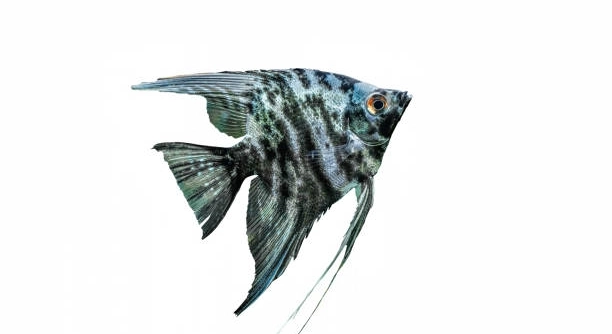
Angelfish are popular aquarium fish, but sometimes they may exhibit unusual behaviors, such as tilting side to side. Understanding the possible causes of this behavior can help ensure your angelfish remains healthy and happy.
The behavior of tilting side to side in angelfish may be caused by a variety of factors, such as swim bladder issues, environmental stress, or underlying health problems. Identifying the root cause can help in managing and treating the condition.
Several factors contribute to this issue. Learning about them will help you address the problem and maintain the well-being of your angelfish for years to come.
Swim Bladder Disorder
Swim bladder disease is one of the most common reasons for angelfish tilting side to side. The swim bladder is an organ that helps fish control their buoyancy. If this organ is damaged or infected, it can cause the fish to lose balance and swim abnormally. Angelfish with swim bladder disorder may find it difficult to stay upright or may tilt to one side. This disorder can be caused by a variety of factors, including poor water conditions, overfeeding, or physical injury. The condition can also be a sign of a bacterial or parasitic infection.
If your angelfish is showing signs of swim bladder issues, it’s important to first check the water quality. Poor water conditions, such as high ammonia or nitrite levels, can stress the fish and contribute to swim bladder problems. Additionally, overfeeding can lead to constipation, which is another factor that may affect the swim bladder.
To address this issue, you can try isolating the fish in a separate tank, lowering the water temperature, and feeding them a diet of high-quality, easily digestible food. In some cases, treatment with medications designed for swim bladder disorders may also be helpful.
Stress and Anxiety
Stress is another major factor that can cause angelfish to swim unnaturally. When stressed, angelfish may display a range of symptoms, including tilting side to side. Stress can be triggered by a variety of things, including changes in water temperature, aggressive tank mates, or a crowded tank. These factors can make the fish feel unsafe or overwhelmed, leading to abnormal swimming behaviors.
When you notice your angelfish tilting, observe its surroundings carefully. If the tank is too small, overcrowded, or filled with aggressive species, it may be the source of the stress. Angelfish are peaceful creatures and need a calm environment to thrive.
Making sure the tank is large enough for your angelfish to swim freely and ensuring the water conditions are stable can reduce stress. Adding hiding places or plants may also help provide security and comfort for your fish. Additionally, reducing the number of aggressive tank mates or moving the angelfish to a different tank can help alleviate stress and restore normal behavior.
Water Quality Issues
Angelfish are highly sensitive to water quality, and poor conditions can easily lead to tilting side to side. High levels of ammonia, nitrites, or nitrates, as well as low oxygen levels, can create an environment that stresses the fish and affects their swimming. Regular water changes and proper filtration are crucial in maintaining good water quality.
When the water is not properly maintained, harmful toxins build up, causing discomfort to your angelfish. This stress can lead to abnormal behaviors, including tilting. It’s essential to test the water frequently for ammonia and nitrites, which should be at zero. Regular water changes and the use of a good filter will keep the water clean and balanced.
Keep the tank temperature stable as well, since sudden changes in temperature can further stress the fish. Be sure to clean the tank regularly, especially around areas where waste accumulates, to avoid bacteria and harmful pathogens from growing. Your fish will thank you for a stable and clean environment.
Overfeeding
Overfeeding is a common issue in fish tanks, and it can directly affect your angelfish’s swimming behavior. When you feed too much, leftover food sinks to the bottom of the tank, where it starts to rot. This increases ammonia levels, which can stress the fish and lead to health problems.
Overfeeding can also lead to constipation in your angelfish. This may affect their buoyancy and cause them to tilt or swim awkwardly. It’s important to feed only what your fish can consume in a few minutes. Adjust the amount according to their activity levels, and remember that feeding once or twice a day is typically enough.
Ensure that any uneaten food is removed to prevent it from decomposing in the tank. By regulating the food amount and maintaining a proper feeding routine, you can help your angelfish stay healthy and avoid issues related to swim bladder problems or water quality deterioration.
Poor Diet
An imbalanced or poor diet can contribute to your angelfish tilting side to side. Lack of essential nutrients can lead to weakness and affect their ability to swim properly. Feeding them a variety of high-quality foods ensures they receive the right vitamins and minerals for optimal health.
Inadequate nutrition can weaken the fish’s immune system, making them more susceptible to diseases, including those affecting the swim bladder. A well-balanced diet, rich in proteins, fats, and fiber, supports healthy organ function and prevents issues that cause abnormal swimming behaviors. Always aim for foods that meet your angelfish’s specific dietary needs.
Physical Injury
Angelfish are known for their delicate fins, which can easily be damaged during tank maintenance or by aggressive tank mates. Physical injuries may cause them to swim in an unusual manner, such as tilting to one side. This often results from external damage, such as nicks or tears in their fins.
Injuries can cause discomfort or pain, leading to erratic swimming patterns. If you suspect an injury, closely examine the fish for any visible signs, like torn fins or bruises. Providing a calm and safe tank environment, free of aggressive tank mates, will help prevent further harm and encourage healing.
Infection
Bacterial, viral, or parasitic infections can also lead to tilting in angelfish. These infections often affect the swim bladder or other internal organs, disrupting the fish’s balance and causing abnormal movement. Signs of infection include changes in swimming behavior, loss of appetite, and visible lesions on the body.
To prevent infections, maintain a clean tank and ensure water quality is ideal. If you notice any signs of illness, isolate the fish and treat with appropriate medications. Early detection and treatment are key to preventing the infection from spreading and causing long-term damage to your angelfish’s health.
FAQ
What should I do if my angelfish is constantly tilting side to side?
If your angelfish is tilting, the first step is to assess the tank conditions. Check the water parameters, such as ammonia, nitrite, nitrate levels, and pH. Poor water quality is a common cause of stress, leading to abnormal swimming behavior. Ensure your water temperature is stable and that the filtration system is working correctly. Additionally, observe the angelfish for signs of disease or injury. If you notice swelling, bloating, or abnormal markings, it could indicate an infection or swim bladder disorder. In such cases, quarantine the fish and treat with appropriate medications. If no physical issues are visible, focus on diet and stress levels, ensuring a peaceful and safe environment.
Can overfeeding cause my angelfish to tilt side to side?
Yes, overfeeding can lead to swim bladder issues, causing your angelfish to tilt or swim awkwardly. Excess food can quickly decompose in the tank, increasing ammonia levels and putting additional stress on the fish. This can worsen swim bladder problems, making it harder for the fish to maintain balance. Overfeeding can also lead to constipation, which may affect buoyancy and posture. To prevent this, feed your angelfish only what they can eat in a few minutes, and remove any uneaten food promptly. Regular water changes will also help maintain a healthy tank environment.
How can I fix swim bladder problems in my angelfish?
Swim bladder issues are often caused by poor water quality, stress, or diet. To address this, first ensure that the water quality is ideal, with ammonia and nitrites at zero and regular water changes. If you suspect constipation is affecting buoyancy, try fasting your angelfish for a day or offering them a pea, which can aid digestion. In some cases, you can lower the water temperature slightly, as this may help relax the fish. If the problem persists, consider treating the fish with specialized medications for swim bladder disorders, which can be found at most pet stores or online.
Can stress make my angelfish tilt side to side?
Yes, stress is a significant factor in abnormal swimming behavior, including tilting side to side. Angelfish are sensitive to changes in their environment. Stress can arise from a variety of causes, such as aggressive tank mates, overcrowding, or unstable water conditions. A stressed angelfish may swim erratically or tilt to one side. To reduce stress, ensure that the tank is large enough for your fish to swim freely and that they are not in conflict with other species. Adding hiding spots and maintaining stable water conditions will help your angelfish feel more secure and comfortable.
Is my angelfish sick if it tilts side to side?
Not necessarily. While tilting side to side can be a sign of illness, it is not always the case. Tilting can result from poor water conditions, stress, or physical injury, all of which may not indicate an infection or disease. However, if your angelfish shows other signs of illness, such as loss of appetite, discoloration, or visible wounds, then it might be sick and require medical attention. In such cases, isolate the fish and treat with appropriate medication. If you’re unsure about the cause, consult with an aquarium specialist or veterinarian to diagnose the issue.
Can I prevent my angelfish from tilting side to side?
Preventing tilting in your angelfish largely comes down to maintaining a stable and healthy environment. This includes regular water changes, checking the water quality regularly, and ensuring the tank has enough space for the fish to swim comfortably. Avoid overfeeding, and make sure that your fish’s diet is well-balanced and appropriate for their needs. Stress should be minimized by keeping the tank calm, with no aggressive tank mates or overcrowding. Monitoring your fish regularly for any signs of illness or injury and treating any issues promptly will help prevent tilting and other health problems.
Can water temperature affect my angelfish’s swimming behavior?
Yes, sudden changes in water temperature can cause stress in angelfish, which may result in abnormal swimming behavior, including tilting side to side. Angelfish thrive in temperatures between 76°F and 82°F (24°C to 28°C), and fluctuations outside this range can lead to health issues. To prevent temperature-related problems, use a reliable aquarium heater to maintain a stable temperature, and avoid placing the tank in areas with drafts or direct sunlight. Regularly check the water temperature to ensure consistency and comfort for your angelfish.
Are there specific medications for tilting in angelfish?
If your angelfish is tilting due to an infection or swim bladder disorder, there are medications available to treat these conditions. For swim bladder issues, look for medicated food or treatments designed specifically to target the swim bladder. If an infection is suspected, antibacterial or antifungal medications may be needed. Always follow the instructions on the packaging, and ensure that you are using the correct medication for the specific issue. It’s also important to quarantine the affected fish to prevent the spread of disease to other tank mates.
What signs should I look for to determine if my angelfish is sick?
In addition to tilting side to side, there are several other signs that may indicate your angelfish is sick. These include a loss of appetite, fading or unusual coloration, visible lesions or bumps on the skin, excessive scratching against objects, or erratic swimming. If your fish is exhibiting these symptoms, it’s important to take action quickly. Remove any uneaten food to prevent water quality issues and quarantine the fish if needed. Consult with an aquarium specialist or veterinarian to determine the best course of treatment.
Can angelfish recover from swim bladder disease?
Yes, many angelfish can recover from swim bladder disease, especially if the issue is caught early. Treatment often involves adjusting the fish’s diet, maintaining optimal water conditions, and providing medications if necessary. If the swim bladder issue is caused by constipation, fasting the fish or offering easily digestible foods like peas can help. In some cases, swim bladder issues may be caused by an infection, requiring antibiotic or anti-parasitic treatments. With proper care, many angelfish can regain their normal swimming behavior. However, if the condition persists, consulting a veterinarian is recommended for further diagnosis and treatment.
Final Thoughts
When your angelfish starts tilting side to side, it’s important to first consider the water conditions. Poor water quality is often a major factor in abnormal swimming behaviors. Angelfish are sensitive to changes in their environment, and even small fluctuations in ammonia, nitrites, or temperature can cause stress. Maintaining clean, well-filtered water with stable parameters is key to preventing many health issues, including tilting. Regular water tests, along with routine water changes, help ensure a healthy environment for your fish, reducing the risk of abnormal swimming behaviors. If your angelfish continues to tilt, check the water quality first, as this can often be the root cause.
Diet and feeding habits also play a crucial role in your angelfish’s health. Overfeeding can lead to constipation and swim bladder issues, which can cause tilting. Make sure to feed your fish in moderation, giving them only what they can consume in a few minutes. If you notice uneaten food, remove it promptly to prevent water contamination. A balanced diet is just as important as the right amount of food, and providing a variety of high-quality foods ensures your angelfish receives the necessary nutrients to thrive. Adjusting your feeding routine can go a long way in improving their overall well-being.
If water quality and diet adjustments don’t resolve the issue, it may be necessary to look into other potential causes, such as physical injuries or infections. Injuries from aggressive tank mates or accidents during maintenance can affect your fish’s ability to swim properly. Infections, whether bacterial or parasitic, can also lead to abnormal swimming behavior. In such cases, isolating the affected fish and providing the appropriate treatment is vital. Early intervention is important for preventing the spread of disease to other tank mates. With the right care, most angelfish can recover from these issues and return to healthy, normal swimming patterns.

Hello,
If you enjoy the content that we create, please consider saying a "Thank You!" by leaving a tip.
Every little bit helps us continue crafting quality advice that supports the health, happiness, and well-being of pets around the world, for pets of all shapes, sizes, and species.
We really appreciate the kindness and support that you show us!