
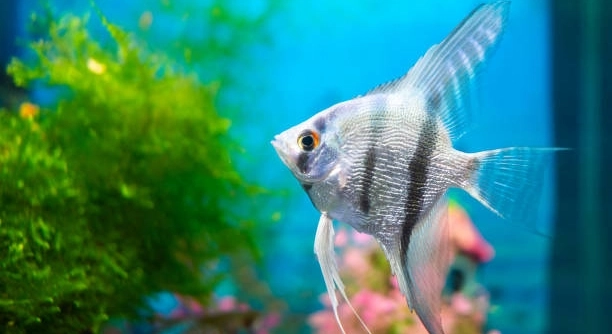
Angelfish are a popular choice for aquarium enthusiasts, especially for those who want to try breeding. However, breeding them successfully requires knowledge and careful attention. In this article, we’ll share tips to help you on your angelfish breeding journey.
To increase the chances of successful angelfish breeding, it is essential to maintain ideal water conditions, provide appropriate tank mates, and ensure the angelfish are in a healthy, stress-free environment. Consistency and patience are key factors in successful breeding.
With the right environment and care, your angelfish can thrive and breed successfully. Let’s take a closer look at what you can do to ensure this process goes smoothly.
Proper Water Conditions Are Essential for Breeding Angelfish
Angelfish need specific water conditions to breed successfully. The water should be soft and slightly acidic, with a pH between 6.5 and 7.0. Temperature is also important—aim for a range of 78°F to 80°F. Keeping the water clean is a must, so perform regular water changes, at least once a week. The tank should be well-filtered, but make sure the filter isn’t too strong, as angelfish prefer calm waters. Excessive water movement can stress them out and hinder breeding efforts.
If your tank isn’t set up properly, it could cause stress that might prevent angelfish from breeding. The right water parameters create a comfortable environment, encouraging them to feel safe enough to mate. Monitor the water conditions regularly to avoid fluctuations, as sudden changes can affect their health and breeding behavior. Keeping the tank stable with these conditions will give your angelfish the best chance to breed.
It’s also important to avoid overcrowding the tank. The fish need space to feel at ease, which reduces stress. A spacious, stable environment can lead to a more successful breeding experience.
Choosing the Right Tank Mates
Angelfish are semi-aggressive, so picking the right tank mates is crucial for breeding. Avoid adding fish that are too small or that could stress the angelfish.
Tank mates should be peaceful, as angelfish will focus more on breeding if they aren’t dealing with aggressive or overly curious fish. Larger, calmer species such as Corydoras catfish work well because they won’t interfere with the angelfish’s space. Fish that constantly swim around the tank may disturb angelfish during courtship or spawning.
To help angelfish feel secure, make sure there are plenty of hiding spots and plants where they can retreat if they feel threatened. Providing these spaces will ensure they are not constantly stressed. Keeping peaceful tank mates is a simple yet effective way to reduce stress and increase the chances of successful breeding.
Create the Right Breeding Environment
To help angelfish breed, you’ll need to provide them with a suitable breeding area. A flat surface like a broad leaf or a ceramic tile is perfect for the female to lay eggs on. The angelfish will clean it thoroughly before laying their eggs.
The tank should be spacious enough for the angelfish to establish their territory. Provide plants and structures that offer privacy and safety, but avoid overcrowding. These spaces allow the fish to feel comfortable and focused on their task. Keep the breeding area in a quieter part of the tank to avoid distractions from other fish. A calm, quiet area will reduce stress and promote breeding behavior.
Don’t forget to ensure the water is at the right temperature. A slight increase in temperature, around 80°F, encourages the fish to spawn. Pay attention to the smallest details like lighting and water quality. These factors will make a big difference in encouraging successful breeding.
Provide Proper Nutrition for Healthy Angelfish
Good nutrition is essential for breeding success. Offer a balanced diet of high-quality flakes, pellets, and live foods like brine shrimp or bloodworms. This helps maintain the health of your angelfish, promoting successful reproduction.
Feed your angelfish multiple times a day, but don’t overfeed. The right balance of food supports the health of both the male and female. Be sure to offer a variety of foods to ensure they’re getting all the nutrients they need. Live foods are particularly useful during the breeding season to stimulate energy and help develop the eggs. A healthy, well-fed pair of angelfish will be more likely to spawn successfully.
Also, avoid feeding them right before introducing them to the breeding area. An empty stomach can encourage them to focus on mating rather than food.
Separate Breeding Pair if Necessary
If you’re having trouble getting your angelfish to breed, consider separating the male and female. Keep them in separate tanks for a short time to reduce stress and increase the chances of mating.
Once you reintroduce them, the absence might trigger a stronger desire to mate. However, monitor them closely to ensure no aggression occurs. If you notice signs of stress or fighting, separate them again. This technique can help the angelfish focus on breeding rather than territorial disputes.
Make sure both fish are healthy before reintroducing them. Stress can hinder successful breeding.
Monitor the Eggs Carefully
After successful spawning, angelfish eggs will appear on the chosen surface. It’s important to monitor these eggs closely, as they can be vulnerable to fungal infections and other issues.
If you notice any fungus growing on the eggs, consider removing the affected ones with a small siphon or by gently wiping them away. This can prevent the fungus from spreading and ensure more eggs survive. The parents will often guard the eggs, but some breeders prefer to remove the eggs to a separate tank to ensure they develop safely without interference.
FAQ
How long does it take for angelfish eggs to hatch?
Angelfish eggs typically take about 2 to 3 days to hatch, depending on the water temperature. Warmer water speeds up the process, while cooler water may slow it down. During this time, the parents usually guard the eggs, fanning them to ensure proper oxygen circulation. If you’re not seeing any hatch after a few days, check the water parameters. If the eggs turn white, it might indicate that they weren’t fertilized.
What should I do if the angelfish eggs aren’t fertilized?
If you notice that the eggs are turning white, it’s a sign they’ve likely been unfertilized. The best approach is to remove these eggs to avoid fungus growth, which could harm the healthy eggs. Some breeders remove unfertilized eggs manually or with a gentle siphon to prevent the spread of bacteria. The parents may eat them, but if the situation continues, you may need to check your breeding setup or water conditions.
Why are my angelfish not breeding?
Several factors can prevent angelfish from breeding, including poor water conditions, improper tank mates, and stress. First, ensure your tank meets their specific needs, such as the right temperature and pH levels. Secondly, check the health and compatibility of the angelfish pair. A stressed fish may refuse to breed. Lastly, ensure they have enough space to establish territory, as overcrowding can discourage spawning.
Do angelfish breed multiple times in a row?
Yes, angelfish can breed multiple times, often laying eggs every 2 to 3 weeks if the conditions are favorable. After one batch of eggs is successfully hatched, they may breed again. However, continuous breeding without enough recovery time can stress the parents. It’s essential to monitor their health and provide a suitable environment between breeding sessions to keep them healthy.
Can I breed angelfish in a community tank?
It’s possible to breed angelfish in a community tank, but it’s not ideal. Angelfish can be territorial during breeding, and other fish might disturb their mating behavior. If you decide to try breeding in a community tank, ensure the other tank mates are calm and peaceful. Avoid species that are too small, as they may be seen as potential prey. A separate breeding tank is usually the best option.
What temperature should the water be for angelfish breeding?
The ideal temperature for angelfish breeding is between 78°F and 80°F (25-27°C). This range mimics the warm, tropical waters where they naturally spawn. A stable temperature encourages breeding and ensures the eggs hatch properly. If the water is too cool, breeding might not occur. Conversely, very high temperatures can stress the fish and affect egg development.
How can I tell if my angelfish are ready to breed?
There are a few signs that indicate angelfish are ready to breed. The female’s belly will become round as she fills with eggs, while the male may begin displaying more vibrant colors and engaging in courting behavior. You might also notice them cleaning a flat surface, like a leaf or tile, in preparation for egg laying. This behavior typically occurs when both fish are mature and in healthy condition.
What do I do with the baby angelfish after they hatch?
Once the baby angelfish, or fry, hatch, they will be very small and unable to swim well. For the first few days, they will rely on the yolk sac for nourishment. Once they start swimming, you can begin feeding them infusoria or other very fine foods like liquid fry food. As they grow, you can introduce finely crushed flakes or brine shrimp. Make sure to separate the fry from any aggressive or larger fish to avoid predation.
Should I separate the parents after breeding?
It’s not always necessary to separate the parents right after breeding, but some breeders prefer to do so. Angelfish are generally good parents and will often guard their eggs and fry. However, once the fry are free-swimming, the parents may become territorial and might eat their young. If this happens, you can move the parents to a different tank to prevent them from consuming the fry.
How often do angelfish need to be fed during breeding?
During breeding, angelfish should be fed more frequently, around two to three times a day, with a variety of high-quality foods. This helps them maintain the energy they need to lay eggs and care for the fry. Offering live or frozen foods, such as brine shrimp and bloodworms, can increase the chances of successful breeding and help nourish the parents. Just be careful not to overfeed, as uneaten food can pollute the tank.
Final Thoughts
Breeding angelfish can be a rewarding experience if you understand their needs and provide the right environment. From maintaining proper water conditions to ensuring the right tank mates, every detail matters. The more closely you can mimic their natural habitat, the better your chances of success. Patience is also key, as breeding can take time and may require adjustments along the way. Keep in mind that not every attempt will be successful, but with the right setup and attention, you can improve your odds.
While breeding angelfish might seem challenging at first, once you get the hang of it, it becomes more predictable. Consistency in water quality, diet, and tank space makes a big difference in breeding success. If you’re struggling, remember that the fish need a calm, low-stress environment. This can be achieved by keeping the tank clean, avoiding aggressive tank mates, and making sure they’re well-fed. Also, ensure the breeding pair is healthy before starting. Sick or weak fish are less likely to breed or care for their young properly.
Finally, always be prepared to adapt. There will likely be some trial and error as you learn what works best for your angelfish. Every pair of angelfish can behave a bit differently, so what works for one set may not work for another. But with time, you’ll gain a better understanding of your fish’s needs and behaviors. By staying patient and observing the changes in your fish, you will be able to create an environment where breeding can occur successfully, and your angelfish will thrive.

Hello,
If you enjoy the content that we create, please consider saying a "Thank You!" by leaving a tip.
Every little bit helps us continue crafting quality advice that supports the health, happiness, and well-being of pets around the world, for pets of all shapes, sizes, and species.
We really appreciate the kindness and support that you show us!