
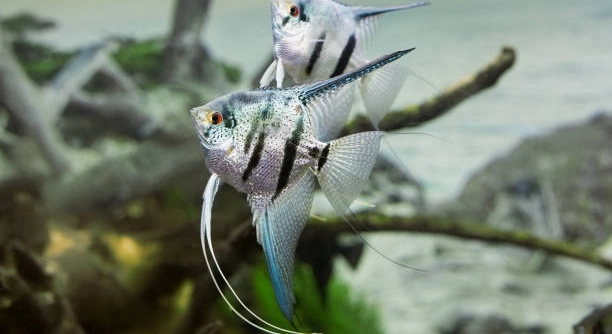
Raising healthy angelfish fry can be a rewarding experience, but it comes with its own set of challenges. Ensuring they grow strong requires understanding their needs and providing the right environment. This guide covers essential steps to help your angelfish thrive.
To ensure your angelfish fry grow strong, focus on providing them with clean water, proper nutrition, and a safe environment. Regular water changes, high-quality fry food, and adequate space are key to their healthy development.
By following these steps, you can set up a thriving tank for your angelfish fry. This will support their growth and help you raise vibrant, healthy fish.
Keep the Water Clean and Stable
Maintaining clean, stable water is crucial for the growth of your angelfish fry. These delicate fish are sensitive to water changes, so ensuring the water is always clear and free of harmful chemicals is essential. Regular water changes, about 20% once a week, can keep toxins like ammonia and nitrites in check. You can also use a good-quality water filter to maintain cleanliness. Keep an eye on the water temperature as well, as angelfish fry prefer a range of 78-80°F (25-27°C). Proper water conditions will help prevent stress and promote healthy growth.
Ensure that the tank water remains free of any buildup. This can prevent issues such as poor growth and possible infections.
A clean, well-maintained tank reduces the chance of your fry getting sick and increases their chances of growing into healthy adults. Keep the water stable by monitoring pH levels, nitrate levels, and temperature regularly. A high-quality filter can assist in keeping the water clear. Also, be sure to perform consistent water changes to remove waste and chemicals that can harm the fry.
Offer Proper Nutrition
To help angelfish fry grow strong, providing the right nutrition is key. High-quality fry food, such as liquid fry food or finely crushed flake food, is essential for proper development. You may also offer live food, like newly hatched brine shrimp, for added protein. Small, frequent feedings are best for fry. They have tiny stomachs, so overfeeding can lead to water contamination. Watch your fry as they eat and remove any uneaten food after a few minutes to keep the water clean. Offering a variety of foods can ensure they get all the nutrients they need to grow healthy.
Nutrition plays a vital role in the development of your fry. It helps them grow and build immunity to diseases.
Balanced, high-quality food boosts their immune system, allowing them to grow faster and stronger. Fry that are properly nourished are less likely to suffer from deformities or poor health later on.
Provide Adequate Space
Angelfish fry need enough space to grow. Crowded tanks lead to stress and stunted growth. It’s important to avoid overcrowding, which can make it difficult for fry to swim freely and access food. A small tank can work for a few fry, but once they grow, they need more room. A 20-gallon tank is ideal for a group of fry.
Having enough space allows each fry to swim and develop without feeling cramped. This reduces the risk of fights and stress. If your fry are growing fast, consider upgrading to a larger tank to give them room to thrive.
A spacious tank ensures proper development, as they can move freely. A crowded tank can lead to issues like poor water quality and aggression. It’s essential to monitor their size and the space they occupy, and plan for their growth. A spacious tank gives them the room they need to become healthy adult angelfish.
Maintain Proper Tank Setup
The tank setup plays a big role in the fry’s development. Ensure there are plenty of hiding spots for the fry, especially when they are young. They will feel safer with plants, rocks, or other decorations to retreat to. A soft substrate, like sand, is also preferable, as sharp edges can hurt the fry.
A proper setup reduces stress and helps maintain a stable environment. It also helps with the fry’s overall health, as they will feel secure in their environment. Make sure your tank has no sharp objects or rough surfaces, which could injure the delicate fry.
In addition to hiding spots, maintain gentle water flow. Fry are small and weak swimmers, so they may struggle in strong currents. A sponge filter is ideal because it offers filtration without creating too much water movement. A calm and secure environment will allow your angelfish fry to focus on growing and exploring their surroundings.
Monitor Water Quality
Maintaining good water quality is essential for healthy fry. Make sure to check ammonia, nitrite, and nitrate levels regularly. These toxins can build up quickly, especially in a tank with growing fry. Use water testing kits to ensure the water stays within safe parameters.
Keeping the water clean also reduces the risk of diseases. When you notice any imbalances, perform a water change immediately. Regularly testing your tank’s water quality will help prevent long-term health issues for your angelfish fry.
A healthy tank environment promotes strong development. Water changes and filtration will keep toxins from affecting their growth, ensuring the fry grow into healthy adult angelfish.
Keep the Temperature Stable
Temperature stability is important for angelfish fry. The water should stay within a consistent range of 78-80°F (25-27°C). Fluctuations in temperature can stress the fry, which can hinder their growth and make them more susceptible to illness.
Use a reliable aquarium heater to maintain the proper temperature. Sudden drops or increases can cause harm, so it’s essential to monitor the water regularly. Fry that are kept in stable conditions are more likely to thrive.
Avoid Overfeeding
Overfeeding is a common mistake that can lead to water quality problems and health issues for your fry. Feed them small amounts of food several times a day, and only provide as much as they can consume in a few minutes.
Excess food that isn’t eaten can decay, polluting the water. This leads to an increase in harmful toxins and can cause stress or illness. Keeping feedings controlled ensures the fry get the right nutrition without overloading the tank.
FAQ
How often should I feed my angelfish fry?
Angelfish fry should be fed multiple times a day, but in small amounts. Feed them 3-4 times a day with enough food they can consume in 5 minutes. Overfeeding can cause water quality issues and excess waste. As they grow, you can adjust the amount of food accordingly.
What should I feed my angelfish fry?
Angelfish fry need high-protein foods for proper growth. Newly hatched brine shrimp, liquid fry food, and finely crushed flakes are excellent choices. You can also offer micro-worms or rotifers. A variety of foods ensures they get all the nutrients they need. Rotate their meals to promote healthy growth.
Can I keep other fish with angelfish fry?
It’s best to keep angelfish fry in a tank by themselves, at least in the beginning. Other fish might bully them, and they could compete for food. Once the fry grow bigger, they can be introduced to peaceful tank mates, but it’s crucial to monitor their interactions.
How do I know if my angelfish fry are healthy?
Healthy angelfish fry are active and swim freely. They should have bright, clear eyes and evenly distributed coloring. Their bodies should be free from deformities or visible signs of illness, like white spots or fins that are clamped. Keep an eye on their growth and behavior for any signs of stress.
Why are my angelfish fry not growing?
If your fry aren’t growing, there may be a few reasons. Water quality could be poor, so check ammonia, nitrite, and nitrate levels. Make sure they’re getting enough nutrition and the correct type of food. A lack of space or overcrowded tanks can also stunt growth. Keep an eye on their environment.
Should I remove the parents from the tank?
It’s up to you. Some angelfish will care for their fry, while others may eat them. If you see that the parents are being aggressive or eating the fry, it’s best to remove them. If the parents are protective, you can leave them in the tank. Just ensure the fry have enough hiding spots.
How do I raise multiple batches of angelfish fry?
Raising multiple batches of fry can be tricky. The best approach is to separate the older fry from younger batches. You can use breeder nets or separate tanks for each group. Keep the water quality high and ensure each batch has enough space and food to grow.
What size tank is best for angelfish fry?
A 20-gallon tank is ideal for a small group of angelfish fry. If the fry are growing quickly, you may need to upgrade to a larger tank to give them enough room. The key is to avoid overcrowding, as it can lead to stress and poor water quality.
How can I prevent disease in angelfish fry?
To prevent disease, ensure proper water quality, avoid overfeeding, and maintain a clean tank. Quarantine new fish before introducing them to the fry tank. Additionally, provide a stable temperature and keep the environment calm and stress-free to prevent the spread of illnesses.
When can I move my angelfish fry to a larger tank?
You can move your angelfish fry to a larger tank once they are around 1-1.5 inches in length. At this point, they can handle a larger space and are better able to avoid being stressed or eaten by other fish. Be sure to introduce them gradually to the new tank.
Do angelfish fry need light?
Yes, angelfish fry benefit from having a consistent light cycle. A light source will help establish a day and night cycle, promoting healthy development. However, avoid leaving the light on too long, as this can cause stress or algae buildup in the tank.
What temperature is best for angelfish fry?
Angelfish fry thrive in water that is between 78-80°F (25-27°C). Keeping the temperature stable is crucial. Fluctuations in temperature can stress the fry and make them more susceptible to disease. Always monitor the temperature to ensure it stays within the ideal range.
Can I raise angelfish fry in a community tank?
While it is possible to raise angelfish fry in a community tank, it is not ideal. Other fish may prey on the fry, or they may struggle to get enough food. If you do choose to keep fry in a community tank, ensure the tankmates are peaceful and won’t harm the fry.
How can I tell the gender of angelfish fry?
At a young age, it can be difficult to tell the gender of angelfish fry. As they grow, you can look for subtle differences. Male angelfish typically have a more slender, pointed body, while females are rounder with a fuller belly, especially when they are carrying eggs.
Can I use a sponge filter for angelfish fry?
Yes, a sponge filter is ideal for angelfish fry. It provides gentle filtration without creating strong currents, which could stress the small fry. The sponge also helps keep the water clean without harming the delicate fry. Be sure to clean the sponge filter regularly to maintain water quality.
How long do angelfish fry take to grow to adulthood?
It typically takes 6-12 months for angelfish fry to reach full maturity. The growth rate can vary depending on water quality, nutrition, and the environment. With the right care, they can grow into healthy adult angelfish in about 6 months. Regular monitoring will help them reach their full potential.
What are the common health issues in angelfish fry?
Common health issues for angelfish fry include white spot disease, fin rot, and swim bladder issues. Maintaining clean water, proper nutrition, and a stable temperature can prevent many of these problems. If you notice any signs of illness, such as loss of appetite or abnormal swimming, take action quickly.
Final Thoughts
Raising angelfish fry can be a rewarding experience, but it requires careful attention to detail. By maintaining clean water, providing proper nutrition, and creating a safe environment, you set the foundation for healthy growth. Regular water changes, appropriate tank size, and the right temperature help keep the fry in the best possible conditions. Monitoring their development and addressing any issues quickly will ensure that the fry thrive and grow into strong adult fish.
Patience is key when raising angelfish fry. It can take several months for them to fully grow, and their needs will change as they mature. As they grow, you may need to adjust their diet, tank size, and care routine to accommodate their increasing size and activity. Being consistent with water quality and feeding schedules will go a long way in preventing problems down the road. Remember that every batch of fry is different, so be prepared for some trial and error as you learn what works best for your specific setup.
In the end, raising angelfish fry is a process that requires time and attention but can be very rewarding. With the right care and understanding, you can watch them grow from tiny, delicate fry to healthy, vibrant fish. By following the guidelines and being proactive in maintaining their environment, you’ll increase the chances of having strong, thriving angelfish. While challenges may arise, the satisfaction of seeing your fry grow and mature will make it all worthwhile.

Hello,
If you enjoy the content that we create, please consider saying a "Thank You!" by leaving a tip.
Every little bit helps us continue crafting quality advice that supports the health, happiness, and well-being of pets around the world, for pets of all shapes, sizes, and species.
We really appreciate the kindness and support that you show us!