
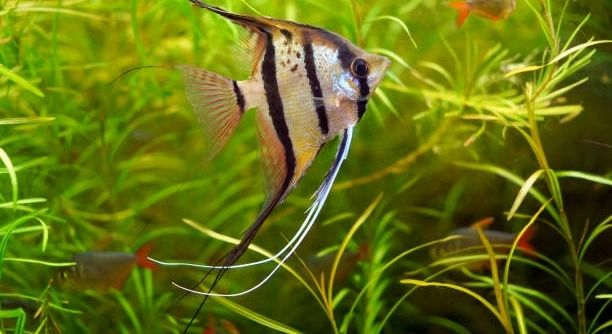
Angelfish are beautiful and peaceful creatures that can bring a touch of elegance to any aquarium. However, keeping them engaged is crucial for their well-being and happiness. The right accessories can make a big difference in their environment.
The best tank accessories for keeping angelfish engaged include plants, decorations, and toys that offer hiding spots, stimulation, and areas to swim freely. Adding such elements promotes natural behaviors, reduces stress, and encourages exercise, improving overall health.
These accessories can be a game-changer for your angelfish. Keep reading to learn about the best items to add to your tank for a more interactive and enjoyable environment for your fish.
Live Plants for Natural Enrichment
Adding live plants to your angelfish tank can greatly enhance their environment. Angelfish love to swim around plants, hide between leaves, and nibble on them occasionally. Live plants also help improve water quality by absorbing nitrates and providing oxygen. Plants like Amazon swords or Java ferns are perfect because they are low maintenance and ideal for angelfish. They also provide a more natural feel to your aquarium.
Plants give your angelfish a sense of security, making them feel safe and at ease. They mimic the natural environment where these fish thrive.
In addition to aesthetics, live plants can be great for enriching your angelfish’s life. Angelfish are naturally drawn to plants, and the varying shapes and sizes offer a variety of places to explore. With a planted tank, you’ll notice them spending more time actively swimming around and even resting behind leaves. This helps reduce stress levels, as they can hide when they feel threatened, which is especially important in a community tank. Plants also provide a space for angelfish to explore and exercise, promoting better health.
Tank Decorations for Hiding Spots
Tank decorations can offer a fun and functional way to keep angelfish engaged.
Adding structures like caves, rocks, or driftwood creates hiding spots where your angelfish can feel secure. This is particularly helpful during feeding times or when there’s extra movement in the tank.
Rocks and driftwood mimic the fish’s natural habitat, creating a space for them to retreat to when they need some alone time. The key is to choose decorations that are smooth and free of sharp edges, as angelfish have delicate fins. Providing a variety of hideouts encourages natural behaviors, such as exploration and resting. Additionally, these decorations provide visual interest, which helps keep your angelfish engaged and prevents boredom.
Floating Objects for Exercise
Floating toys or accessories can provide additional exercise for your angelfish. These items can help promote movement and prevent your fish from becoming sedentary.
Items like floating plants or even plastic bubbles that drift on the water’s surface can encourage angelfish to swim in all directions. It helps them stay active by swimming toward or around the floating objects. This also mimics natural behaviors where fish might chase after food or avoid predators.
By having floating items, angelfish are encouraged to stay active throughout the day. It also promotes healthier muscle development, which contributes to overall well-being. The movement and interaction with these objects will prevent your angelfish from getting bored and keep them mentally stimulated. As they swim to explore, their physical activity will improve, leading to a more balanced lifestyle for your fish.
Aquarium Lighting for Behavior Regulation
Lighting in your tank plays a crucial role in regulating angelfish behavior. Proper lighting mimics day and night cycles, helping angelfish maintain a healthy routine.
Too bright or too dim lighting can cause stress for angelfish. It is best to have adjustable lighting, which allows you to change the brightness as needed. A steady light cycle helps angelfish know when to be active and when to rest, reducing stress and encouraging natural behaviors.
For the best effect, you can incorporate a dimmer for your lights or even use a timer to regulate day and night. Proper lighting not only improves the aesthetic of the tank but also supports angelfish in thriving. A healthy light environment will contribute to improved feeding and sleeping patterns, which are key for maintaining a balanced tank.
Water Flow for Stimulation
Proper water flow in your tank can help keep your angelfish engaged. A gentle current will encourage them to swim actively, mimicking the conditions of their natural habitat.
Angelfish tend to prefer a moderate water flow that isn’t too strong. Using a filter or water pump that can adjust the flow helps create the right balance. This gentle movement keeps your fish engaged and promotes a healthy swimming environment.
Mirror for Visual Interaction
A mirror can provide mental stimulation for angelfish. It allows them to interact with their own reflection.
While not a long-term solution, mirrors placed in the tank for short periods encourage angelfish to explore and display territorial behaviors. It can help reduce stress by providing novelty and stimulating natural instincts.
Variety in Diet
Offering a varied diet is essential for keeping angelfish engaged and healthy. Different food types encourage natural hunting behaviors and provide necessary nutrients.
Angelfish thrive on a mix of high-quality flakes, pellets, live food, and frozen options. Each type provides different textures and flavors, which keeps your fish curious and interested during feeding.
FAQ
How often should I change the decorations in my angelfish tank?
Changing decorations in your angelfish tank is not something you need to do frequently. As long as your tank setup is providing a good environment for your fish, you can keep decorations as long as they’re clean and safe. However, adding or swapping out a few items every 6-12 months can keep the environment fresh and engaging for your angelfish. This can also help in reducing any potential build-up of algae or debris that might occur in certain spots. You don’t want to stress your fish by making major changes all at once, though.
Can I keep angelfish with other species?
Yes, angelfish can live with other species, but it’s important to choose compatible tankmates. Angelfish do best in a peaceful community tank with other non-aggressive fish. Species like tetras, mollies, or gouramis are good companions. However, avoid keeping angelfish with very small or fin-nipping fish, as they might become stressed or harmed. Similarly, aggressive species can create a tense environment for your angelfish. Always monitor interactions in the tank to ensure peaceful coexistence.
What are the best plants for angelfish tanks?
Angelfish thrive in tanks with live plants, and some great options include Amazon swords, Java ferns, and anubias. These plants are hardy and require minimal care. Angelfish love to swim through plants, and having a variety of plant types creates a natural habitat. It’s best to choose plants that can withstand the conditions of your tank, as angelfish can be sensitive to water quality. Floating plants can also be added for added variety, providing extra cover and helping with water filtration.
How can I reduce stress in my angelfish tank?
To reduce stress in your angelfish tank, keep the water clean and ensure proper water conditions. Angelfish are sensitive to water parameters such as temperature, pH, and hardness. Regular water changes and maintaining proper filtration can help prevent issues. Additionally, provide plenty of hiding spots with plants or decorations, which can give your angelfish a safe retreat when they feel threatened. Avoid overcrowding the tank and keep compatible fish species to maintain a peaceful atmosphere.
Do angelfish need a lot of space?
Yes, angelfish need space to swim and feel comfortable. A tank of at least 20-30 gallons is recommended for a small group of angelfish. If you have more fish or other tankmates, consider a larger tank to ensure everyone has enough room. Angelfish can grow quite large, so it’s important to provide ample swimming space to keep them healthy and prevent stress. A spacious tank also makes it easier to set up plants, decorations, and hiding spots.
Can I use tap water for my angelfish tank?
You can use tap water for your angelfish tank, but it’s important to treat it before adding it to the aquarium. Tap water may contain chlorine, chloramine, and other chemicals that can harm your fish. Use a water conditioner specifically designed to neutralize these chemicals. Additionally, make sure the water parameters like pH, hardness, and temperature are suitable for angelfish. Regular testing of your water will help you maintain the best conditions for your fish.
How do I prevent disease in my angelfish?
To prevent disease in your angelfish, maintaining clean water and a stable tank environment is key. Regular water changes and monitoring the water quality can help prevent the growth of harmful bacteria and parasites. Quarantine new fish before adding them to the tank to avoid introducing potential diseases. You should also ensure your angelfish are fed a balanced diet and avoid overcrowding. If you notice any signs of illness, such as abnormal swimming patterns, loss of appetite, or unusual spots on their skin, take action quickly by isolating the affected fish and seeking advice on treatment.
Are angelfish picky eaters?
Angelfish are not typically picky eaters, but they do have some preferences. They enjoy a varied diet, including high-quality flakes, pellets, and occasional live or frozen food like brine shrimp, bloodworms, and daphnia. Feeding a mix of food types will keep them engaged and ensure they get all the necessary nutrients. However, avoid overfeeding, as this can lead to water quality problems and health issues for your fish. Proper portion control is important for maintaining a healthy aquarium environment.
What temperature should the water be for angelfish?
Angelfish prefer a warm, stable environment with a water temperature between 76°F and 82°F (24°C – 28°C). Maintaining this temperature range is important for their overall health and well-being. Fluctuations in temperature can stress angelfish, so investing in a reliable aquarium heater is recommended. Always monitor the water temperature with an aquarium thermometer to ensure it stays within the optimal range. Additionally, make sure the tank’s temperature doesn’t exceed 82°F for extended periods, as this can stress the fish and reduce their lifespan.
Do angelfish like to be alone?
Angelfish are not solitary fish and can live in groups. However, they can be territorial, especially when breeding. A small group of 3-5 angelfish works best, but they should be kept in a tank with enough space to reduce territorial disputes. While angelfish don’t need constant social interaction, having a few companions helps prevent loneliness and encourages natural behaviors. Just be sure to keep an eye on the interactions, as larger groups may lead to aggression if space is limited.
What is the ideal pH level for angelfish?
Angelfish prefer a slightly acidic to neutral pH level, typically between 6.5 and 7.5. Keeping the water within this range will help keep your fish healthy and stress-free. Regularly test your water’s pH to ensure it remains stable. If the pH is too low or too high, it can cause discomfort and even health issues for your angelfish. If adjustments are needed, use proper water conditioners to bring the pH to the appropriate level for your fish.
Final Thoughts
Keeping angelfish engaged is important for their health and happiness. By adding the right accessories to their tank, you can create an environment that encourages natural behaviors like swimming, exploring, and hiding. Plants, decorations, and floating objects all play a role in stimulating your angelfish. These additions help provide mental and physical stimulation, which is vital for their well-being. With the right setup, your angelfish will be able to express natural behaviors, leading to a more vibrant and active tank.
It’s also important to remember that angelfish are sensitive to changes in their environment. Any new additions to the tank should be introduced gradually to avoid stress. A calm and stable environment is key for keeping your fish happy. Regular water changes, proper filtration, and temperature management are just as essential as the physical elements in the tank. The combination of good water quality and the right accessories ensures that your angelfish will stay active and healthy over time.
Lastly, providing variety in their diet and offering appropriate tankmates will help keep your angelfish engaged and reduce stress. Angelfish are peaceful but can be territorial, so choosing compatible fish is important. Also, switching up their diet with different foods can encourage their natural hunting and foraging behaviors. With the right care, your angelfish will thrive, creating a beautiful and peaceful tank that is enjoyable to both you and your fish.

Hello,
If you enjoy the content that we create, please consider saying a "Thank You!" by leaving a tip.
Every little bit helps us continue crafting quality advice that supports the health, happiness, and well-being of pets around the world, for pets of all shapes, sizes, and species.
We really appreciate the kindness and support that you show us!