
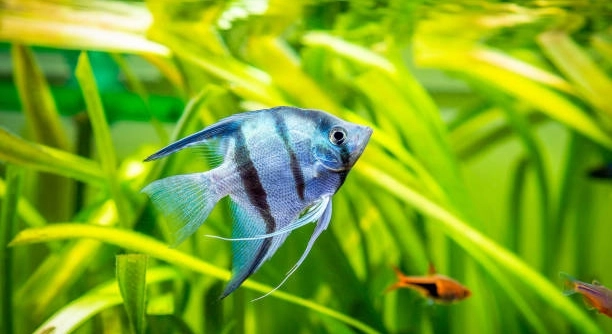
Angelfish are beautiful and popular aquarium fish. However, if you notice your angelfish flashing its fins, you may be concerned about its health or behavior. Understanding why this happens can help you care for your fish.
Flashing fins in angelfish can be caused by several factors, including water quality issues, parasites, or stress. It may also result from territorial disputes, mating behavior, or irritation from tank decorations. Identifying the root cause is essential.
Understanding the possible causes behind this behavior can guide you in taking the right steps to improve your angelfish’s environment and well-being.
1. Water Quality Problems
One of the first things to consider when your angelfish starts flashing its fins is the water quality. Poor water conditions can irritate your fish, causing them to behave abnormally. Ammonia, nitrites, and nitrates can build up in your tank if it is not properly maintained. This can lead to stress and health issues for your fish. If the water is not filtered well or there are high levels of toxins, your angelfish may try to “scratch” itself by flashing its fins against objects in the tank.
Test the water regularly for harmful chemicals, and ensure that the filtration system is working effectively. Keep the water temperature and pH balanced for angelfish. Clean the tank and perform water changes regularly to maintain a healthy environment. Your fish’s well-being depends on it.
In addition to regular water testing, use water conditioners to remove chlorine or chloramine from tap water. If the problem persists, check for overcrowding or insufficient oxygen levels, as these can also contribute to poor water conditions and stress.
2. External Parasites
External parasites, such as Ich or skin flukes, may also lead to flashing in angelfish. These parasites attach themselves to the fish’s body, irritating the skin. As a result, the angelfish may rub itself against rocks, plants, or substrate in an attempt to relieve the discomfort. Signs of parasites usually include visible spots, lesions, or abnormal swimming behavior.
Treating parasites involves isolating the infected fish and using medications that target these pests. Make sure the medications are safe for your specific type of fish and follow the recommended treatment guidelines. If you notice any abnormalities in behavior, acting quickly will help prevent further spread.
3. Stress and Anxiety
Stress can play a significant role in your angelfish flashing its fins. Changes in the tank environment, such as sudden temperature shifts, new tank mates, or loud noises, can stress your fish. Even a lack of hiding spots or overly bright lighting can trigger anxiety. When angelfish feel threatened, they might display erratic behaviors, including flashing.
Creating a calm and stable environment is key to reducing stress. Make sure your angelfish has plenty of hiding places, especially if you have other fish in the tank. Avoid placing the tank in high-traffic areas or near loud sounds that could unsettle your fish. Ensuring a consistent routine with water changes and feeding times can also help minimize stress.
If you notice that the flashing behavior continues, consider giving your angelfish a break from any recent changes. Sometimes, removing any sources of stress and providing a peaceful environment can go a long way in calming your fish.
4. Mating Behavior
Flashing fins can also be linked to mating behavior. Angelfish often display this action when they’re preparing to spawn or attract a mate. This behavior may be accompanied by other signs like body posturing or chasing. During the mating process, the fish will often rub their bodies against surfaces, creating the appearance of fin-flashing.
If the flashing coincides with a more active or territorial display, it’s likely that your angelfish is signaling readiness for mating. Make sure you have proper tank conditions to support breeding. This includes ensuring that the water temperature is stable and there are plenty of flat surfaces for egg-laying. If mating is the cause, the behavior will typically resolve once the spawning process is complete.
Observing your angelfish during this time is important. If they are indeed in mating mode, ensure that they aren’t being overly aggressive or territorial towards each other.
5. Tank Decorations
Sometimes, the tank decorations could be the cause of your angelfish’s fin-flashing behavior. Sharp or rough surfaces might irritate your fish, leading them to rub against them. This is especially common if the decorations or rocks have jagged edges or are positioned in a way that creates stress for your fish.
Check the tank carefully for any decorations that might be causing discomfort. If needed, replace sharp or poorly positioned items with smoother objects, such as plants or sand. A stress-free environment with soft decorations helps prevent unnecessary irritation and minimizes the flashing behavior.
6. Aggression from Other Fish
Aggressive tank mates can make your angelfish feel threatened, leading to flashing. If another fish is constantly harassing your angelfish, it may respond by flashing its fins or darting around the tank. Territorial behavior and disputes over space often trigger this response.
To reduce aggression, ensure the tank is large enough to provide enough space for all the fish. You may also want to rearrange the tank layout to minimize territorial boundaries. Adding more hiding spots or creating barriers can also reduce the chance of confrontation and limit flashing caused by aggression.
7. Poor Diet and Malnutrition
A poor diet can sometimes lead to flashing behavior in angelfish. If your fish is not getting the right nutrients, it may become weak or stressed, making it more likely to rub its body against tank surfaces. A lack of essential vitamins or minerals can weaken your fish’s immune system, leading to further issues.
Ensure your angelfish is receiving a balanced diet with a mix of high-quality pellets, flakes, and occasional live or frozen foods. Adding variety helps ensure that your fish is getting the necessary nutrients. Also, avoid overfeeding, as uneaten food can quickly deteriorate water quality, creating further problems for your fish.
FAQ
Why does my angelfish keep flashing its fins?
Flashing fins in angelfish can occur due to various reasons such as poor water quality, stress, external parasites, or mating behavior. Poor water conditions can irritate the fish, causing it to rub itself against surfaces. Stress, like changes in tank conditions, overcrowding, or aggressive tank mates, can also lead to this behavior. External parasites, such as Ich or skin flukes, cause discomfort, prompting the fish to flash its fins. Finally, flashing may be linked to mating behavior, where the fish displays to attract a mate.
How can I tell if my angelfish has parasites?
Parasites can cause visible changes to your angelfish. If your fish has external parasites, you may notice white spots on its body (Ich), lesions, or a slimy appearance. The fish may scratch itself against objects, leading to the flashing behavior. Parasites often cause changes in the fish’s swimming patterns, making it seem lethargic or erratic. A closer inspection with a magnifying glass can help identify parasites, but using an aquarium parasite treatment is essential if you suspect an infection.
Can water temperature affect my angelfish’s behavior?
Yes, water temperature plays a significant role in your angelfish’s health and behavior. Angelfish thrive in warm water, typically between 76°F and 84°F (24°C to 29°C). If the water temperature is too low or fluctuates, your angelfish may become stressed, leading to abnormal behaviors like flashing its fins. Maintaining a stable temperature with an appropriate aquarium heater is important to prevent stress and encourage healthy behavior.
Is it normal for angelfish to flash when they are mating?
Yes, it is normal for angelfish to flash their fins as part of their mating behavior. When angelfish are ready to spawn, they may display their fins, rub against surfaces, and show other territorial behaviors. This is a natural part of their courtship rituals, especially if they are attracted to each other. The flashing will typically stop once the fish have finished mating.
Can I stop my angelfish from flashing its fins?
Stopping the flashing depends on the underlying cause. If water quality is the issue, regular water changes, using a filtration system, and testing for ammonia, nitrites, and nitrates will help. If stress is causing the behavior, try reducing disturbances around the tank and adding hiding spots. In the case of parasites, proper treatment with medications is necessary. For mating behavior, it’s a natural occurrence, and the flashing will usually stop once the spawning is complete. Identifying the cause and addressing it is key to preventing the behavior.
Do angelfish flash their fins due to boredom?
While boredom can lead to stress, it’s not a direct cause of fin flashing. However, if your angelfish lacks enough space or stimulation in the tank, it might start exhibiting signs of stress, including flashing its fins. Providing more hiding spots, plants, and tank mates that aren’t too aggressive can reduce stress and help your fish stay active and healthy. Offering a varied diet can also help prevent boredom.
How often should I change the water in my angelfish tank?
Water changes should be done regularly to maintain a healthy environment for your angelfish. Typically, a 25% to 30% water change every two weeks is recommended for most freshwater aquariums. If you have a high bioload (more fish), more frequent changes may be necessary. Regular testing of water parameters will help determine the frequency needed to maintain clean water for your fish.
Can overcrowding cause my angelfish to flash its fins?
Yes, overcrowding is a common cause of stress in angelfish, and it can lead to fin flashing. When there are too many fish in a tank, the angelfish may feel threatened or territorial, which can cause it to flash its fins in an attempt to establish dominance or protect its space. Ensuring your tank has enough room for your angelfish and other fish to coexist peacefully is important for their well-being. A general rule is to have one inch of fish per gallon of water, but angelfish may need more space due to their size.
What are the signs of stress in angelfish?
Stress in angelfish can manifest through several behaviors, including flashing fins, erratic swimming, hiding excessively, or a loss of appetite. They may also show unusual body postures, such as clamping their fins against their body. If you notice any of these signs, check the water quality, temperature, and tank conditions. Reducing stress factors, like aggressive tank mates or loud environments, can help.
How can I prevent my angelfish from becoming stressed?
Preventing stress in angelfish involves maintaining stable tank conditions, such as proper water temperature, good filtration, and regular cleaning. Avoid sudden changes in the environment, like moving the tank or introducing new fish too quickly. Also, ensure your tank has plenty of plants or decorations for hiding spots, and avoid overcrowding. A calm, predictable environment helps reduce stress and promotes healthier behavior.
Final Thoughts
Angelfish flashing their fins can be caused by a variety of factors. It is important to identify the specific reason behind this behavior to properly address it. Sometimes, it may be a sign of stress from poor water conditions, overcrowding, or aggressive tank mates. In other cases, flashing can occur as a result of parasites, poor diet, or even natural mating behavior. Understanding the underlying cause is essential for providing the best care for your angelfish and ensuring their well-being.
Once the cause is identified, there are several steps you can take to address the flashing behavior. For water quality issues, regular water changes and proper filtration are key. Ensuring the tank has a stable temperature and proper pH levels will also help. If aggression from other fish is causing the stress, consider rearranging the tank layout or providing more hiding spots to reduce territorial disputes. In cases where parasites are suspected, using the appropriate treatment is crucial to eliminate the problem and prevent further harm to your angelfish.
Finally, while flashing can sometimes be a sign of natural behavior, such as during mating, it is important to monitor the fish closely. If the behavior continues for an extended period or worsens, it could indicate a deeper health issue that needs attention. Regular observation, proper tank maintenance, and a balanced diet will help maintain your angelfish’s health and reduce the likelihood of flashing. By paying close attention to the tank environment and addressing any potential causes of stress, you can provide a comfortable and healthy home for your angelfish.

Hello,
If you enjoy the content that we create, please consider saying a "Thank You!" by leaving a tip.
Every little bit helps us continue crafting quality advice that supports the health, happiness, and well-being of pets around the world, for pets of all shapes, sizes, and species.
We really appreciate the kindness and support that you show us!