
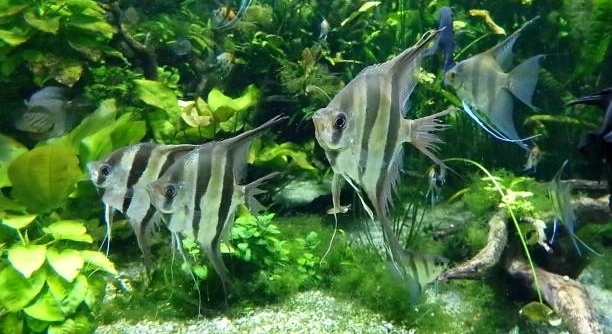
Has your angelfish started following you more often or interacting with tank mates in unexpected ways? Changes in fish behavior can be surprising, especially when they begin acting more social than usual in your aquarium.
Angelfish may become more social due to changes in environment, improved health, mating behavior, reduced stress, increased familiarity with surroundings, altered tank dynamics, or even changes in their diet or lighting conditions.
Learning what’s behind this shift in behavior can help you support your angelfish’s well-being and create a more comfortable environment for them.
Change in Tank Environment
A shift in your angelfish’s environment can affect how it behaves. Rearranging decorations, adjusting lighting, or adding new plants may reduce stress and help your angelfish feel more secure. A well-decorated tank offers shelter and a sense of safety, making the fish more willing to explore. If you’ve upgraded to a larger aquarium, your angelfish might now feel less territorial and more relaxed. More space often reduces conflict and encourages exploration. Even small updates like changing filter flow or improving water quality can contribute to a noticeable behavioral shift. These adjustments, while minor, help the fish adapt and settle in.
Smaller changes such as better filtration or stable water temperature can lead to increased activity. When conditions feel right, angelfish often respond with confidence and more visible interaction.
When their habitat feels safe, angelfish often become more sociable. This includes swimming near the glass, staying out in the open, or interacting with other fish. A positive change in the tank setup makes a noticeable difference. A peaceful tank also encourages natural behaviors, which often include curiosity and social interaction. If your angelfish used to hide often but now moves freely, it’s likely reacting to better living conditions. Keeping their space calm and consistent supports long-term comfort and openness.
Mating Behavior or Hormonal Changes
Sometimes, increased social behavior is linked to natural reproductive behavior.
If your angelfish has reached maturity, the change might be tied to mating behavior. Angelfish become more active and sometimes more social when searching for a mate. They might follow other fish, stay close to certain spots, or display more vibrant colors. This behavior is usually temporary and might come and go with breeding cycles. Hormonal shifts often drive these changes, especially when water temperature rises or daylight exposure changes. Even without another angelfish of the opposite sex, the drive to engage in mating-like behavior can influence how they act. It’s important to monitor this, as it may also involve territorial displays. If they begin acting aggressively or guarding specific areas of the tank, they could be preparing to spawn. Make sure the tank remains calm, and avoid adding new fish during this time to reduce any extra tension. This is a natural phase and usually settles down on its own.
Reduced Stress or Recovery From Illness
When angelfish recover from an illness or injury, they often become more active and visible. Reduced stress from previous tank issues can also lead to friendlier behavior and increased interaction with other tank mates.
An angelfish that was once withdrawn may begin swimming freely and showing interest in its surroundings again. Recovery from conditions like fin rot, internal parasites, or poor water quality can improve overall energy levels. Stable water parameters, consistent feeding, and a quiet tank environment play a key role in this change. If you recently treated your angelfish or improved your maintenance routine, the behavioral shift could reflect improved health. Fish naturally become more interactive when they feel safe and strong. You might even see them exploring more areas of the tank or coming to the glass when you approach. These are all signs of reduced stress and improving comfort levels within their space.
Reducing environmental stressors such as loud noises, sudden light changes, or overcrowding often leads to a noticeable change in behavior. Angelfish are sensitive to fluctuations, and when they no longer feel threatened or unwell, they become more curious and willing to engage. Creating a consistent and quiet setting with clean water and proper nutrition helps maintain this new, social behavior. It builds trust and makes the fish more comfortable displaying its full personality.
Increased Familiarity With Owner
Angelfish can recognize patterns and get used to people over time. If you’ve had your fish for a while, they may begin to see you as part of their routine, reacting positively when you approach.
This familiarity often leads to more outgoing behavior, especially around feeding times. Your angelfish may associate your presence with food or activity and begin to greet you at the front of the tank. This doesn’t always mean they want to be handled or touched, but it shows a level of comfort and curiosity. Over time, consistent care builds trust, and angelfish may become less skittish and more open to interaction. Movement near the tank might no longer scare them. Instead, they swim up to check what’s going on. Simple habits, like feeding them at the same time every day or gently cleaning the tank, help reinforce this bond and encourage more visible activity.
Change in Tank Mates
Introducing new fish or removing aggressive ones can shift the social balance in your aquarium. If dominant fish are no longer present, your angelfish may feel safer, leading to more confident and outgoing behavior.
A calmer tank environment encourages your angelfish to explore more and hide less. Peaceful companions also reduce stress and competition.
Changes in Diet or Feeding Routine
Improving your angelfish’s diet or adjusting the feeding schedule can impact how it behaves. A diet with more variety or higher quality ingredients can boost energy, leading to increased activity and curiosity. If you’ve recently started offering better foods like brine shrimp or bloodworms, the added nutrients may help your angelfish feel stronger and more alert. Feeding at consistent times can also create routine and anticipation, making your angelfish more active during those times. When fish associate you with food, they may come to the front of the tank more often, appearing more social even outside of feeding periods.
Changes in Lighting
A well-lit tank helps angelfish feel safe. Soft, steady lighting makes them more likely to stay visible and active instead of hiding.
FAQ
Why is my angelfish swimming more actively than usual?
Increased activity in your angelfish could be due to various factors. It may be a sign of improved health or reduced stress. If you’ve recently adjusted the water conditions, added new decorations, or changed the lighting, the fish may simply feel more comfortable. Changes in tank mates or even mating behavior can also explain this newfound energy. Angelfish often swim more when they feel safe and are no longer focused on hiding. If the activity persists, it’s important to ensure they are not experiencing any symptoms of illness.
Is my angelfish just being playful, or is something wrong?
Angelfish tend to show playful behaviors, especially when they are well-fed and their environment is stable. They may chase other fish, swim in circles, or explore new areas of the tank. If these behaviors don’t involve aggression or signs of distress, it’s usually just playful exploration. However, if there’s an increase in aggressive interactions, particularly toward tank mates, or if the fish appears lethargic or loses appetite, this could signal an underlying health issue that needs attention. Keeping a close eye on their behavior helps to differentiate between playful antics and potential health concerns.
Why does my angelfish follow me around the tank?
Angelfish are known for their ability to recognize familiar faces. If your angelfish follows you around the tank, it may be responding to your presence, especially if it associates you with feeding time. Over time, fish can develop routines, and they may start to expect food when they see you. It’s also a sign of comfort and trust. If the behavior is not accompanied by signs of stress or illness, it’s generally a positive indication that your angelfish feels secure in its environment and has become accustomed to you.
Could my angelfish’s behavior change due to water quality?
Yes, poor water quality is one of the main factors influencing changes in fish behavior. When water parameters such as temperature, pH, ammonia, nitrite, and nitrate levels are off balance, your angelfish may become stressed, withdrawn, or less active. On the other hand, once you correct these parameters and stabilize the water quality, the fish may appear more active and sociable again. Regular water changes, proper filtration, and monitoring of tank conditions can help maintain a healthy environment, which in turn promotes happier and more social fish.
How can I reduce stress in my angelfish?
Reducing stress in angelfish involves several steps, including maintaining consistent water quality, avoiding sudden temperature changes, and ensuring that the tank is not overcrowded. Adding hiding spots or plants allows the fish to feel secure when needed. Also, minimizing loud noises or movements near the tank helps reduce anxiety. It’s essential to avoid making frequent changes in the tank environment, as this can stress the fish. Lastly, keeping the tank mates peaceful and compatible can help prevent aggression, which can contribute to stress.
Is it normal for my angelfish to be more social at certain times of the day?
Yes, it’s normal for angelfish to show different social behavior based on the time of day. Many fish, including angelfish, are more active during certain periods, often around feeding time. They may swim to the front of the tank, interact with other fish, or be more curious when they expect food. This behavior is tied to their natural circadian rhythm, so if your angelfish seems more social during specific hours, it’s likely just a result of their routine and hunger signals.
Can changes in diet cause my angelfish to act differently?
Yes, changes in diet can significantly affect your angelfish’s behavior. If you’ve recently introduced new food items, like live foods or specialized pellets, the fish may show more interest in feeding or become more active due to the improved nutritional content. A varied diet ensures that your angelfish receives the necessary vitamins and minerals, which can boost their energy levels. However, overfeeding can lead to sluggish behavior, so it’s important to monitor portion sizes to maintain balance.
Why is my angelfish staying near the bottom of the tank more often?
If your angelfish is spending more time near the bottom of the tank, it could indicate a problem. This behavior is sometimes linked to poor water quality, illness, or even aggression from other fish. If the water is not properly oxygenated or the parameters are off, the angelfish may seek shelter closer to the substrate to feel more secure. In some cases, they may be resting after a period of activity. Monitoring the water conditions and checking for any signs of illness or injury can help you pinpoint the cause.
Can angelfish be territorial?
Yes, angelfish can display territorial behavior, especially during breeding times or if they feel their space is being invaded. They may chase other fish away from certain areas of the tank, particularly around their favorite hiding spots or breeding sites. This behavior is usually harmless but can become aggressive if not managed. Providing plenty of space and hiding spots can help reduce territorial disputes. If aggression becomes a problem, it may be necessary to separate certain tank mates to maintain peace.
Why does my angelfish chase other fish?
Chasing behavior in angelfish is most often associated with territorial disputes or mating behavior. During breeding periods, they may become protective of their space and chase other fish away. If the fish are not displaying aggression or biting, the behavior is generally considered part of their natural instincts. However, if the chasing becomes excessive or results in injury to other tank mates, it could indicate stress or compatibility issues. It’s important to observe their interactions and ensure all fish are safe and not overly stressed by the behavior.
Final Thoughts
Understanding why your angelfish has become more social can enhance your ability to care for them effectively. It’s important to recognize that behavior changes are common and can result from several factors, including water quality, tank mates, and feeding routines. Your angelfish may be more active and social if it feels comfortable and secure in its environment. Small adjustments, such as adding hiding spots or maintaining stable water conditions, can make a noticeable difference in their behavior. With attention to their needs, you can foster an environment that encourages both physical and social well-being.
It’s also essential to pay attention to the specific needs of your angelfish in terms of diet, tank conditions, and tank mates. Different fish respond to changes in their environment differently, so observing their behavior regularly will help you identify what might be causing any shifts. Whether it’s a result of their natural cycle, a change in their surroundings, or their interactions with other tank mates, knowing how to interpret these behaviors can help you make informed decisions. Ensuring a well-maintained tank with the right balance of peace and stimulation can lead to a healthier, happier fish.
Ultimately, every angelfish is unique. Just as they develop their own personalities, they will react differently to the same conditions. What works for one angelfish may not work for another, so it’s important to be patient and observant. Changes in behavior are often an opportunity for you to better understand your fish and their preferences. The more you learn about your angelfish’s behavior, the better you can provide a space where they feel safe and comfortable.

Hello,
If you enjoy the content that we create, please consider saying a "Thank You!" by leaving a tip.
Every little bit helps us continue crafting quality advice that supports the health, happiness, and well-being of pets around the world, for pets of all shapes, sizes, and species.
We really appreciate the kindness and support that you show us!