
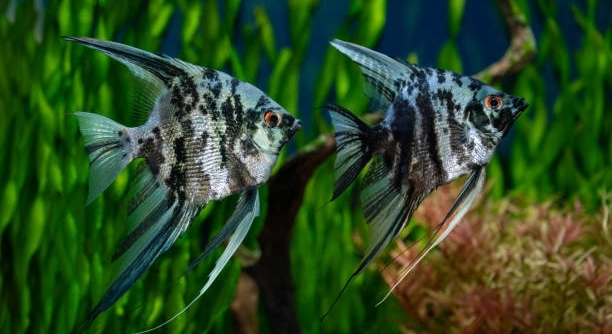
Angelfish are beautiful and delicate creatures that can sometimes struggle with health issues. If you notice your angelfish acting weak, it’s important to act quickly to help them recover and thrive once again.
To help a weak angelfish recover, ensure a stable environment with clean water and proper temperature. Provide a balanced diet, monitor for signs of illness, and avoid stressors. Offering the right care can help the fish regain strength.
Addressing a weak angelfish’s condition involves more than just feeding. It requires a balanced approach to both their environment and health needs. Keep reading to learn practical steps that will help your angelfish recover fully.
Create a Stable Environment
One of the first things to consider when helping a weak angelfish is the environment. Keeping the water clean and well-filtered is crucial. Make sure the aquarium has the right temperature, ideally between 76-80°F, as fluctuations can stress the fish. Also, monitor the pH levels, which should be between 6.8 and 7.8. Poor water quality is often a primary cause of stress, and weak fish can be more vulnerable to diseases. Regular water changes, around 25% every week, can also help maintain a healthy habitat.
Water temperature plays a vital role in keeping your fish comfortable.
Ensure the aquarium filter is working properly to remove any waste and debris. Maintaining good water quality supports overall fish health and minimizes the risk of infections.
Provide a Balanced Diet
A weak angelfish needs a high-quality diet to regain strength. Feed your fish a variety of foods, such as flakes, pellets, and frozen or live foods like brine shrimp and bloodworms. Nutrient-rich meals are vital for their recovery. Some foods contain essential vitamins and minerals that boost the immune system, while others help with overall energy. Avoid overfeeding, as this can cause water quality to deteriorate. If you notice that your angelfish isn’t eating, it may be an indication of stress or illness, and you should take extra care to adjust the environment or consult a professional.
Ensure your fish gets a range of nutritious food options to improve their condition.
By feeding a variety of foods, your fish can build up strength. It’s important to avoid relying on just one type of food for the sake of balance. Adding supplements like garlic can also help improve appetite and boost immunity.
Monitor Water Quality
Maintaining high water quality is key to the health of your angelfish. Perform regular water changes, remove uneaten food, and clean the tank regularly to avoid the build-up of harmful substances. Keep an eye on ammonia, nitrite, and nitrate levels, as spikes can cause significant stress.
Test the water frequently to ensure everything stays within the safe range. Water quality affects the immune system and overall health of your fish. If water conditions are unstable, weak angelfish will struggle to recover. A reliable water testing kit will help you spot any problems early.
When water quality is optimal, your angelfish will feel less stressed. A stressed fish is less likely to eat or behave normally, which can delay recovery. Consider adding an air pump if your aquarium lacks sufficient oxygen exchange, as weak fish need good oxygen levels to thrive. Keep the tank environment stable to reduce stress and improve their chances of recovery.
Minimize Stress Factors
Stress can severely impact a weak angelfish’s ability to recover. It’s important to reduce any factors that might cause additional anxiety. Keep the aquarium environment calm by avoiding excessive noise, sudden movements, or overcrowding.
Keep the tankmates peaceful. Aggressive or overly active fish can stress your angelfish, preventing it from healing properly. In some cases, isolating the sick angelfish in a separate quarantine tank can help. This prevents further stress and allows for easier monitoring of its condition.
A peaceful and calm environment allows your angelfish to focus on healing. If your fish is constantly being chased or harassed, it may struggle to recover. Ensure that your tank provides plenty of hiding spots for security. By reducing stress, you give your fish a better chance of returning to full health.
Observe for Signs of Illness
If your angelfish is weak, it’s essential to look for any signs of illness. Look for unusual behavior like lethargy, loss of appetite, or swimming erratically. Skin discoloration or clamped fins may indicate stress or infection. Early detection can help you treat the problem before it worsens.
Treating illnesses promptly is vital to the recovery process. If you notice spots, lesions, or abnormal growths on your angelfish, these may be symptoms of parasites or bacterial infections. Immediate treatment with appropriate medications can help improve your fish’s condition.
Ensure Proper Filtration
Proper filtration is vital for your angelfish’s recovery. A good filter helps maintain clean water by removing debris, waste, and harmful toxins. Choose a filter that matches the size of your tank, ensuring it provides adequate filtration without creating too strong of a current.
Angelfish prefer calm waters, so avoid powerful filters that might stress them. A gentle filter helps maintain water clarity and oxygen levels, which are essential for the recovery process. Keep the filter clean and maintain it regularly to ensure it continues to function effectively.
Adjust Temperature Gradually
Temperature fluctuations can stress your angelfish, especially when they’re weak. If your fish is struggling, gradually adjust the water temperature to a stable, comfortable range. Sudden temperature changes can worsen health problems, so increase or decrease the temperature slowly over several hours.
Gradually adjusting the water temperature provides your angelfish with the best chance to recover. Keep the aquarium heater set to a stable temperature and monitor it regularly. Consistency is key, as frequent changes in temperature can weaken your fish and slow down its recovery process.
FAQ
What should I do if my angelfish isn’t eating?
If your angelfish isn’t eating, it may be stressed, ill, or adjusting to a new environment. Check water quality, as poor water conditions can affect appetite. Offering live or frozen foods like brine shrimp or bloodworms may entice them to eat. Ensure that the tank isn’t overcrowded, as this can add stress. If they continue to refuse food, look for signs of illness and consult a veterinarian if necessary.
How can I tell if my angelfish is sick?
Look for physical signs like discoloration, lesions, or visible wounds. Behavior changes like lethargy, erratic swimming, or staying near the surface can also indicate illness. If your fish has clamped fins or difficulty breathing, these could also be signs of a health issue. Early detection and immediate treatment can help prevent further complications.
Is it safe to treat a sick angelfish in a hospital tank?
Yes, isolating a sick angelfish in a hospital or quarantine tank is a good idea. This reduces stress from other tankmates and helps you closely monitor the fish. The hospital tank should have clean water, stable temperatures, and appropriate filtration. Make sure to treat the illness with the correct medication in this separate tank.
How can I prevent my angelfish from getting sick in the future?
Regular maintenance of water quality is key. Test the water regularly for ammonia, nitrites, and nitrates. Perform weekly water changes and ensure proper filtration. Avoid overcrowding and provide a balanced diet. Minimize stress by avoiding sudden changes in temperature or environment. Additionally, quarantine new fish before introducing them to the main tank to prevent the spread of disease.
Can a weak angelfish recover fully?
Yes, with proper care, a weak angelfish can recover. Providing clean water, a balanced diet, and a stress-free environment will help restore strength. However, the fish’s recovery depends on the cause of the weakness. If it’s due to an underlying disease, timely treatment will improve its chances of recovery.
How often should I change the water in the tank?
It’s recommended to change 25% of the water every week. This helps remove toxins, excess nutrients, and debris that can harm your angelfish. If you have a heavily stocked tank or notice deteriorating water quality, you may need to change the water more frequently. Regular water changes contribute to overall fish health.
Can poor water quality cause my angelfish to become weak?
Yes, poor water quality is one of the most common causes of weak or sick angelfish. High levels of ammonia, nitrites, or nitrates can be toxic. Low oxygen levels or high pH fluctuations can also cause stress and weaken the fish’s immune system. Maintaining stable water conditions is essential for your angelfish’s health.
What should the water temperature be for an angelfish?
Angelfish thrive in warm water, ideally between 76-80°F (24-27°C). Temperature fluctuations can stress them, so it’s important to keep the temperature steady. Sudden changes in temperature can cause shock, further weakening the fish. Use a reliable heater and thermometer to maintain consistent water temperature.
Can I use any medication to treat my angelfish?
It depends on the illness. Always identify the disease before administering medication. For common ailments like ich or external parasites, there are specific medications available. Always follow the instructions carefully to avoid overdosing. If you’re unsure of the diagnosis, consult a veterinarian or an aquarium specialist before treatment.
How do I know if my angelfish is stressed?
Stressed angelfish may display signs like erratic swimming, hiding, or rubbing against objects. They might also show loss of appetite, clamped fins, or increased breathing rates. Stress can be caused by poor water quality, aggressive tankmates, overcrowding, or changes in the environment. Identifying the source of stress and addressing it is crucial for recovery.
Can I use aquarium salt to help my angelfish recover?
Aquarium salt can be helpful for some conditions like external parasites or wounds. It can help reduce stress and improve gill function by supporting electrolyte balance. However, be cautious with salt as it can stress angelfish if used incorrectly or in high concentrations. Always follow the recommended dosage.
What type of food should I feed a weak angelfish?
Weak angelfish need nutrient-dense foods to help them regain strength. Offer high-quality flakes, pellets, and live or frozen foods like brine shrimp or daphnia. Foods rich in vitamins, minerals, and proteins will boost their immune system. Garlic-enriched foods can also encourage appetite and help fight infections. Ensure you don’t overfeed, as it can affect water quality.
Can angelfish recover from fin rot?
Yes, fin rot can be treated if caught early. Ensure the water quality is optimal and use antibiotics or antifungal treatments designed for fin rot. Keeping the tank free from stressors, such as aggressive tankmates or poor water quality, will help your angelfish recover faster. If the condition worsens, consult an aquarium professional.
Why is my angelfish staying at the top of the tank?
If your angelfish is constantly staying at the top, it may be suffering from poor water quality or oxygen deprivation. Check the oxygen levels in your tank and make sure the filtration is adequate. Fish may also stay near the surface if they are unwell, so monitor for other symptoms of illness.
How long does it take for a weak angelfish to recover?
The recovery time depends on the cause of the weakness and how quickly you address the issue. If the fish is stressed, it may take a few days to a week to show improvement. For illness or injury, it can take a few weeks or more. Patience and proper care are crucial for a full recovery.
Final Thoughts
Helping a weak angelfish recover requires patience, careful observation, and the right environment. The most important factors in recovery are clean water, stable temperatures, and proper nutrition. By maintaining high water quality and ensuring that the tank conditions are optimal, you create a healthy environment that supports your angelfish’s recovery. Regular water changes, good filtration, and consistent temperatures are essential to prevent further stress or illness. Additionally, monitoring your fish for any signs of illness can help you catch potential problems early before they become more serious.
Diet plays a crucial role in the recovery process. Providing nutrient-rich food can boost your angelfish’s immune system and help them regain strength. Live or frozen foods, such as brine shrimp or bloodworms, can encourage them to eat if they’ve been lethargic. Offering a varied diet ensures that your fish gets the vitamins and minerals it needs to heal properly. However, it’s important to avoid overfeeding, as excess food can deteriorate water quality, which could make the situation worse.
While treating a weak angelfish can be challenging, it’s important to remain patient. Sometimes, recovery can take time, and results may not be immediately visible. If you’ve ensured optimal care and your fish’s condition doesn’t improve, it might be necessary to consult an aquarium expert or veterinarian for advice. Remember that not all conditions are treatable, but giving your angelfish the best care possible will improve their chances of recovery.

Hello,
If you enjoy the content that we create, please consider saying a "Thank You!" by leaving a tip.
Every little bit helps us continue crafting quality advice that supports the health, happiness, and well-being of pets around the world, for pets of all shapes, sizes, and species.
We really appreciate the kindness and support that you show us!