
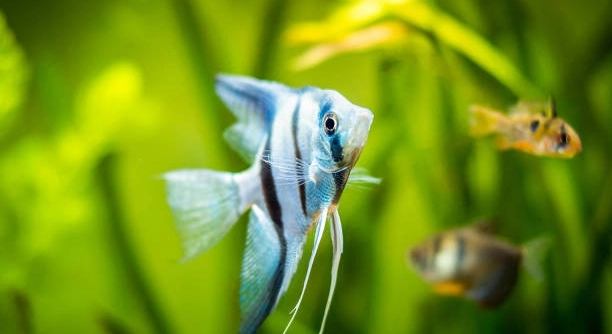
Is your angelfish tank starting to look a little cloudy or off, leaving you unsure about when it last had a proper cleaning?
Several signs indicate when an angelfish tank needs a water change, including cloudy water, algae buildup, foul odors, and stressed or inactive fish. Regular observation helps maintain a clean environment and ensures the overall health of your angelfish.
These signs can help you recognize when it’s time to refresh your tank and support a healthier space for your fish.
Cloudy Water That Doesn’t Clear Up
When water in your angelfish tank looks cloudy and stays that way, it’s usually a strong sign that a water change is needed. Cloudiness can come from excess waste, leftover food, or even a bacterial bloom. While some cloudiness is normal after setting up a new tank, it shouldn’t linger in an established one. Over time, poor water conditions can stress your angelfish and weaken their immune system. Regular partial water changes help keep the balance in check. A clean tank supports healthy oxygen levels, stable pH, and clear water. It’s also easier to spot any problems with the fish or equipment when your water is clean. Making small, consistent changes each week is better than waiting until things look bad. Angelfish are sensitive to sudden changes in water chemistry, so consistency really helps. If your tank stays foggy, it’s time to take action and refresh the water.
Cloudy water means something is off. Don’t wait for it to get worse—change the water before it affects your fish.
Try removing about 25% of the water once a week and replace it with clean, dechlorinated water. Use a gravel vacuum to get rid of waste hiding in the substrate. Make sure to avoid overfeeding, since uneaten food can cloud the water quickly. Monitor your tank for improvements, and repeat weekly to maintain a clear, balanced setup.
A Strong or Unpleasant Odor
A strong or unpleasant smell coming from your tank isn’t normal. It can mean there’s a buildup of waste, old food, or decaying plant matter.
The odor usually builds up gradually, and sometimes it’s easy to overlook until it becomes hard to ignore. Fish waste, uneaten food, and decaying organic material break down in the water and release gases. These gases can create that distinct smell you might notice when walking by the tank. Angelfish tanks should have a mild, earthy scent—not something sour or rotten. Performing a partial water change helps eliminate the odor at its source. It’s also a good time to check your filter and clean out any debris. Smelly tanks often need more than one water change, especially if maintenance has been delayed. Stick with small, consistent changes rather than large ones to keep your fish comfortable. Adding live plants can also help naturally control waste and improve water quality.
Algae Growing Rapidly on Surfaces
Algae growth can be a normal part of any aquarium, but if it spreads quickly on glass, plants, or decorations, something is off. Excess nutrients like nitrates and phosphates usually cause it, and regular water changes help manage those levels.
Too much algae doesn’t just make your tank look messy—it can also compete with your plants for nutrients and oxygen. When algae takes over, it means your tank may have an imbalance, often caused by overfeeding, strong lighting, or infrequent cleaning. Changing part of the water regularly removes excess nutrients before they fuel more algae. Try adjusting your tank’s light schedule and avoid placing the tank in direct sunlight. Scraping off the algae and rinsing decorations during a water change can help, too. Make sure your filter is working well and not clogged. If algae still returns quickly, it’s time to look more closely at your maintenance routine.
Consistency really makes the difference when dealing with algae. A weekly partial water change, combined with gentle cleaning, keeps growth under control without disrupting your fish. Don’t wait until your tank looks green—just a thin layer can mean trouble. If you’re using live plants, they also help absorb extra nutrients and compete with algae. It’s all about keeping things balanced.
Fish Acting Stressed or Unusual
When angelfish start acting differently—like hiding more, swimming erratically, or losing color—it often means they’re reacting to poor water conditions. Stress can show up in many small ways, and catching it early can help prevent more serious problems.
Stress isn’t always caused by loud noises or tank mates—it can come from poor water quality, too. Ammonia, nitrites, and nitrates build up over time, especially if water changes aren’t happening often. These substances can irritate the gills and skin of your angelfish, leading to discomfort, reduced appetite, or even illness. If your fish seem more skittish than usual or aren’t eating, test the water parameters right away. A partial water change will reduce harmful buildup and give your angelfish some relief. Keep an eye on temperature and pH as well, since sudden changes can stress fish just as much as dirty water. Clean, stable water helps them feel secure and active.
Filter Is Clogging Often
If your tank filter keeps clogging, it may be working overtime to handle too much waste. This usually happens when debris builds up quickly, often because of infrequent water changes or leftover food.
A clogged filter can’t do its job properly and may cause water to circulate poorly. That leads to uneven oxygen levels and dirty spots.
Water Test Shows High Nitrates
High nitrate levels usually mean it’s been too long since your last water change. While some nitrate is normal, anything over 40 ppm can stress your angelfish. Over time, it may even cause health issues like a weakened immune system or fin problems. Testing your water weekly can help track nitrate levels and spot problems early. If the reading is high, change out 25–50% of the water using a siphon. Clean the gravel, check the filter, and cut back on feeding. Adding live plants can help absorb excess nutrients too. Keeping nitrates in check means a healthier tank for your angelfish.
Surface Has Film or Oily Residue
A thin film on the water’s surface can block oxygen exchange. It’s often caused by food oils, dust, or waste buildup. A water change helps break up the film and keeps the surface clear and breathable for your angelfish.
FAQ
How often should I change the water in my angelfish tank?
Water changes depend on your tank’s size and how many fish you have. For a typical 20-gallon tank with a few angelfish, changing about 25% of the water every week is ideal. If your tank has more fish or higher waste levels, you may need to change 30% or more. Regular changes help maintain water quality and keep your fish healthy. Make sure to use dechlorinated water to avoid harming your fish. It’s better to change water frequently in smaller amounts than to wait until the tank is noticeably dirty.
Can I change too much water at once?
Yes, changing too much water at once can stress your angelfish. Sudden shifts in water parameters, like temperature or pH, can shock their system and make them more susceptible to illness. It’s best to replace no more than 25-50% of the water in one go. If the water is especially dirty or if you’re correcting a specific issue, change the water gradually over several days instead of all at once. This keeps the environment more stable for your fish.
Should I clean the tank decorations during a water change?
Yes, cleaning decorations is a good idea during a water change. Over time, algae, waste, and dirt build up on decorations and affect water quality. Use a soft brush or sponge to gently scrub the decorations and remove any buildup. Be sure to rinse them thoroughly with tank water to avoid introducing chlorine or other chemicals. However, avoid using soap or harsh cleaning agents, as they can harm your fish. Cleaning decorations helps keep the tank looking fresh and maintains better water quality.
Can I use tap water for my angelfish tank?
You can use tap water, but it needs to be treated first. Most tap water contains chlorine or chloramine, which is harmful to fish. You must treat tap water with a dechlorinator before adding it to the tank. Additionally, check the water’s pH, hardness, and temperature before use, as some tap water can be too acidic or alkaline for angelfish. Regularly test the water quality to ensure your fish are living in a safe and stable environment.
How do I test my tank’s water quality?
To test your tank’s water quality, use a water test kit. These kits measure parameters like pH, ammonia, nitrites, and nitrates. Testing water once a week helps you track the tank’s health and catch any issues early. Ammonia and nitrites should be at 0 ppm, while nitrates should be under 40 ppm. If any levels are too high, perform a water change and adjust feeding habits or filter maintenance. Always follow the test kit’s instructions carefully for the most accurate results.
What should I do if my angelfish are stressed?
If your angelfish are stressed, start by checking the water quality. Poor water conditions are often the primary cause of stress. Perform a water change to fix any imbalances. Also, make sure the tank temperature is within the right range (75-82°F or 24-28°C) and check for other stressors like strong lighting, aggressive tank mates, or overcrowding. If stress continues despite proper water quality, consider adjusting the environment to make it calmer and more suitable for your fish.
Why does my angelfish tank smell bad?
A bad smell usually means there’s a buildup of organic waste, like uneaten food, fish waste, or decaying plants. This often happens when the water isn’t changed regularly. A foul odor indicates poor water quality, which can lead to unhealthy fish. Clean the tank, remove debris from the substrate, and replace 25-50% of the water. Also, check your filter to ensure it’s working properly. Regular maintenance and feeding only what your fish can consume in a few minutes will help prevent odors from returning.
Can I have too many fish in my angelfish tank?
Yes, overcrowding is a common problem in fish tanks. When there are too many fish in a small space, waste builds up faster than the filter can handle, leading to poor water quality. Overcrowding also stresses fish, making them more susceptible to disease. To avoid this, follow the rule of thumb: one inch of fish per gallon of water. However, this may vary depending on the species and size of your fish. It’s better to understock your tank than to overcrowd it.
What do I do if my angelfish are getting sick?
If your angelfish are showing signs of illness, the first step is to check water quality. Poor water is often the main cause of fish disease. Test the water for ammonia, nitrites, and nitrates, and perform a water change if needed. Next, check your angelfish for signs of external problems like faded colors, clamped fins, or spots. If the symptoms persist, consult an aquarium professional or look for specific treatments based on the symptoms. Maintaining a clean and stable tank environment is key to preventing illness in the first place.
How can I reduce algae growth in my tank?
To reduce algae growth, make sure you’re not overfeeding your fish, as excess food breaks down into nutrients that fuel algae. Reduce the amount of light your tank gets by limiting the light duration to 8-10 hours a day and avoid placing the tank in direct sunlight. Regular water changes will help remove nutrients that promote algae growth. Additionally, live plants can compete with algae for nutrients, reducing its growth. A good quality filter also helps keep the tank clear of excess waste.
How long does it take for a water change to improve water quality?
After a water change, you should notice an improvement in water quality within a few hours. The fish will often look more active and comfortable, and the water should appear clearer. However, if the water quality was very poor before the change, it may take a couple of changes to restore balance. Consistent weekly water changes help maintain a stable environment. Always monitor the water parameters after a change to ensure the levels are within a safe range for your fish.
Final Thoughts
Maintaining a healthy environment for your angelfish is essential for their well-being. Regular water changes are one of the most effective ways to keep their tank clean and balanced. They help remove excess waste, improve oxygen levels, and reduce the risk of diseases. By staying on top of water changes, you ensure that your fish have the best possible living conditions. This routine care not only improves water quality but also supports the long-term health and happiness of your angelfish.
In addition to water changes, paying attention to other aspects of the tank’s environment is equally important. Ensure your filtration system is working properly, clean your tank decorations regularly, and monitor the water’s temperature and pH. These steps help prevent common problems like algae growth or water imbalances, which can stress your fish and lead to illness. A healthy tank is one that is well-maintained, with all its components working together to create a balanced ecosystem for your fish.
Finally, remember that every fish tank is unique. What works for one may not work for another. Observing your angelfish regularly and adjusting your maintenance routine based on their behavior and water conditions will go a long way. Keep learning and adapting to ensure a safe and thriving environment for your angelfish. With regular care and attention, you’ll be able to enjoy a clean, healthy tank for years to come.

Hello,
If you enjoy the content that we create, please consider saying a "Thank You!" by leaving a tip.
Every little bit helps us continue crafting quality advice that supports the health, happiness, and well-being of pets around the world, for pets of all shapes, sizes, and species.
We really appreciate the kindness and support that you show us!