
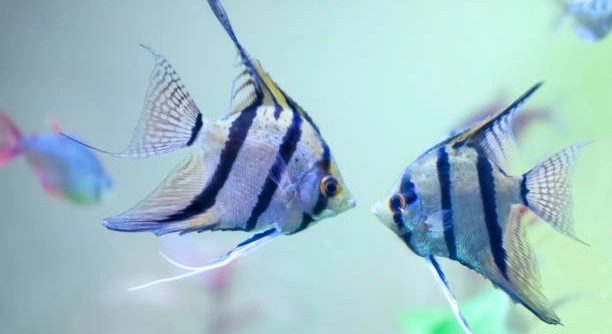
Angelfish are beautiful and delicate creatures, often a favorite in home aquariums. However, when they suddenly stop eating, it can be concerning. Understanding why your angelfish is avoiding food is crucial for their well-being and happiness.
There are several reasons why your angelfish may avoid food, ranging from stress and water quality issues to health problems. Each factor can affect their appetite and behavior in different ways, requiring careful observation and action to resolve.
By recognizing the underlying causes of your angelfish’s eating habits, you can take steps to address the problem. Understanding these reasons will ensure that your fish stays healthy and happy for years to come.
Stress or Environmental Changes
Angelfish are sensitive to their environment. Any significant change can cause them to stop eating. Stress from new tankmates, a recent move, or even a change in water temperature can disrupt their behavior. When these fish feel threatened or uneasy, eating becomes less of a priority.
Even minor changes in water conditions, such as fluctuating pH levels or high ammonia, can stress out angelfish. This leads them to hide more and lose interest in food. Keeping the tank conditions stable and quiet helps minimize stress for your fish.
If you’re noticing your angelfish avoiding food, consider whether there have been any recent changes in their environment. Stress is often the main reason fish stop eating, so ensuring a calm, stable habitat is key to encouraging them to eat again. Regularly testing water quality and providing plenty of hiding spots can make your fish feel more secure and improve their eating habits.
Poor Water Quality
Water quality plays a big role in your angelfish’s health and appetite. Poor water conditions can make them feel uncomfortable or even sick, leading them to stop eating. Ammonia, nitrates, and nitrites are all harmful when levels are too high.
If you notice your angelfish avoiding food, it could be due to a tank that’s not being maintained properly. High levels of toxins in the water irritate their bodies, leading to a decrease in appetite. Regular water changes and testing will help keep the tank safe for your fish.
Proper filtration and routine maintenance are essential to keeping your fish healthy and willing to eat. Water tests should be conducted regularly to ensure the levels are within the appropriate range for angelfish. The cleaner the water, the happier your fish will be, and they’ll start eating normally again.
Illness or Parasites
When your angelfish is avoiding food, illness or parasites could be the reason. Just like humans, fish can suffer from various diseases, and these can impact their appetite. Signs of illness include swimming erratically, clamped fins, or visible sores.
Parasites can also cause discomfort, leading to loss of appetite. External parasites, like ich, can make your fish itchy, while internal parasites can upset their stomachs, making them refuse food.
If you suspect your angelfish is ill, it’s important to separate them from other fish to prevent spreading potential diseases. Treating them with appropriate medication for parasites or infections may help restore their health. Ensuring your fish has a healthy immune system, by maintaining water quality and providing a balanced diet, can also reduce the chances of future illnesses.
Overfeeding or Incorrect Diet
Overfeeding can be a common issue for aquarium fish. When you feed your angelfish too much or too often, they may become full and avoid food. Over time, this can even lead to digestive problems or bloating, which further discourages them from eating.
To address this, adjust the amount and frequency of feeding. It’s important to give your fish only what they can consume within 2-3 minutes to avoid overfeeding. A balanced diet, including high-quality flakes or pellets, can provide the necessary nutrients without overwhelming their stomachs.
By following a consistent feeding schedule, you can prevent overfeeding and ensure your angelfish gets the right amount of food. Avoid offering too much food in one sitting and make sure any leftover food is removed to maintain water quality. This will help prevent food-related issues that may be affecting their appetite.
Tank Mates and Competition
Angelfish are peaceful but can become stressed if their tank mates are too aggressive. If other fish in the tank are constantly competing for food, your angelfish might feel intimidated and stop eating. Fish that are territorial or overly aggressive can easily disrupt the feeding routine.
To prevent this, ensure that your tank mates are compatible with your angelfish. If you notice bullying or aggressive behavior, consider separating the fish to reduce stress. Giving each fish its own space during feeding can also help ensure everyone gets a chance to eat.
Choosing tank mates that are calm and won’t stress out your angelfish is essential. By managing the social dynamics of your aquarium and providing a peaceful environment, your angelfish will feel more comfortable eating. Regular observation of their behavior can help you identify if aggression is impacting their feeding habits.
Water Temperature
Water temperature plays a crucial role in your angelfish’s appetite. Angelfish prefer water between 76°F and 82°F. If the water is too cold or too hot, they may lose their appetite and even become stressed.
When the water temperature is outside the ideal range, it can slow down their metabolism and make them feel lethargic. This often leads to a decreased interest in food. To maintain a stable environment, use a reliable aquarium heater and thermometer to keep the water at a comfortable temperature for your fish.
If you notice your angelfish not eating, first check the water temperature. If it’s not within the proper range, adjust it carefully. Sudden temperature changes can also stress your fish, so make adjustments slowly. Maintaining the right temperature will ensure that your angelfish remains active and hungry.
Feeding Schedule and Routine
A consistent feeding routine is important for your angelfish. If feeding times are irregular or if food is offered at different times every day, your fish may not develop a strong eating habit. Angelfish thrive on predictability.
Try to feed them at the same time every day. This allows them to adjust to a routine and encourages regular eating behavior. Over time, they’ll learn when to expect food and be more willing to eat. This simple change can help improve their appetite.
Establishing a consistent feeding schedule can also reduce the stress of sudden feeding interruptions. Angelfish are more likely to eat when they are accustomed to knowing when food will arrive. Avoid offering food sporadically and stick to a regular routine for the best results.
Lack of Variety in Diet
A lack of variety in an angelfish’s diet can also contribute to food refusal. If you’ve been feeding them the same food over and over, they might lose interest. Just like humans, fish can get bored of eating the same thing daily.
It’s important to offer a mix of high-quality flakes, pellets, frozen, and live food to keep your angelfish engaged. By changing up their diet, you can provide better nutrition and prevent food aversion. Offering different food textures and types also mimics their natural diet in the wild.
A varied diet not only improves their appetite but also ensures they get all the nutrients they need. Experimenting with new foods can make mealtime more exciting for your fish, increasing their chances of eating. It’s easy to introduce new options gradually and see how your angelfish responds.
Overcrowding in the Tank
Overcrowding in the aquarium can lead to competition for food, causing your angelfish to feel stressed and refuse food. When there are too many fish in a tank, they may not get enough to eat, or they might feel threatened during feeding times.
To prevent this, ensure your tank has enough space for all the fish. A general rule is one inch of fish per gallon of water. If the tank is overcrowded, consider rehoming some fish or upgrading to a larger tank. This will reduce stress and improve your angelfish’s chances of eating.
Creating a comfortable environment with enough space for each fish to feed without competition is essential for their well-being. An overcrowded tank can also lead to poor water quality, further contributing to appetite loss. By keeping the tank well-maintained and appropriately stocked, your angelfish will feel more secure and less stressed during meals.
Old or Poor-Quality Food
If your angelfish isn’t eating, it could be because the food is old or of poor quality. Stale food can lose its appeal, both in taste and nutritional value. Fish can easily detect food that’s gone bad.
To ensure your fish eats, check the expiration dates of your food and store it properly. Fish flakes and pellets should be kept in a cool, dry place to maintain their freshness. You may also want to switch to a different brand or type of food if the current one isn’t working.
Fresh food that hasn’t been sitting for too long is more likely to catch their attention. Fish enjoy food that smells and looks appealing. If your angelfish is refusing food, replacing old or expired items with fresher options could solve the issue.
Overly Large Portions
Sometimes, your angelfish might be avoiding food because the portions are too large. Offering large amounts of food all at once can overwhelm them, leading to disinterest. Angelfish may be too full to eat if they are given more than they can consume.
To avoid this, feed small portions that they can finish in a few minutes. It’s better to feed them multiple times a day with smaller amounts. This reduces waste in the tank and keeps the fish engaged with their meals. Smaller portions are easier to digest and make the food seem more manageable.
Wrong Type of Food
Angelfish are omnivores, but that doesn’t mean they will eat anything. They can be picky about their food preferences. If you’re offering the wrong type of food, such as ones that don’t suit their dietary needs, they may refuse to eat.
Providing the right combination of proteins, vegetables, and occasional live food will help meet their nutritional needs and encourage eating. Avoid relying solely on one type of food, and instead offer a variety of options to cater to their preferences.
Why is my angelfish not eating?
Your angelfish might not be eating for several reasons, including poor water quality, stress, illness, or even a change in diet. Stress from tank mates, sudden environmental changes, or water temperature fluctuations can cause them to stop eating. Illnesses like parasites or internal issues also lead to reduced appetite. The food you’re offering might not appeal to them, or it could be of poor quality. It’s important to observe your fish’s behavior and the tank’s conditions to pinpoint the issue.
How do I know if my angelfish is stressed?
Stressed angelfish may exhibit several signs, such as hiding more often, swimming erratically, or clamping their fins close to their body. They may also stop eating, become more aggressive, or show signs of discoloration. Stressed fish tend to avoid food because they feel threatened or uncomfortable. If you notice these signs, check the water quality, temperature, and tank mates to reduce stressors.
What should I do if my angelfish is sick?
If your angelfish is sick, look for signs such as abnormal swimming, a lack of appetite, cloudy eyes, or visible sores. Isolate the affected fish to prevent the spread of illness to other tank mates. Treat the condition with appropriate medication based on the symptoms you’re seeing. It’s important to maintain good water quality and avoid overfeeding during this time, as poor water conditions can worsen their condition.
How often should I feed my angelfish?
Angelfish should be fed 1-2 times a day, offering enough food that they can eat in 2-3 minutes. Overfeeding can lead to water quality issues and health problems. Stick to a regular feeding schedule, but avoid giving large portions. Offering smaller amounts multiple times a day encourages a consistent feeding routine, which is better for your fish’s health.
Is overfeeding my angelfish harmful?
Yes, overfeeding can be harmful. It leads to uneaten food breaking down in the tank, which affects water quality. Overfed fish can also develop digestive issues or become overweight, which impacts their overall health. Make sure to only offer food that your angelfish can eat in a few minutes, and remove any leftovers to keep the tank clean.
Can I feed my angelfish only flakes?
Feeding your angelfish only flakes may not provide them with the balanced diet they need. While flakes are convenient, they may lack variety in texture and nutrients. Angelfish also enjoy live or frozen food like brine shrimp, bloodworms, or daphnia. A varied diet that includes both flakes and occasional live foods is best for their health.
What are some signs that my angelfish is hungry?
Hungry angelfish will actively swim around, especially near the surface, looking for food. They may display more excitement or urgency during feeding time, and you’ll notice them coming to the front of the tank. If your angelfish isn’t showing this behavior, they might not be hungry or something else could be affecting their appetite.
How can I improve the water quality in my tank?
To improve water quality, perform regular water changes (about 25-30% every 1-2 weeks) and use a good filtration system to keep the tank clean. Test the water regularly for ammonia, nitrite, nitrate, and pH levels to ensure they’re within the ideal range. If the levels are off, take action immediately, such as adjusting the filtration or performing larger water changes.
Can I keep other fish with my angelfish?
Angelfish are generally peaceful but can be territorial, especially during breeding. They do best with other peaceful species that aren’t too aggressive or small enough to be seen as food. Fish like tetras, gouramis, or larger peaceful species can be good companions. Avoid keeping them with small or aggressive fish that could stress them out or compete for food.
Should I use a heater for my angelfish tank?
Yes, a heater is essential for maintaining a stable temperature. Angelfish thrive in water temperatures between 76°F and 82°F. Without a heater, the water temperature may fluctuate too much, which can stress your fish and cause them to stop eating. Ensure the heater is reliable and that the temperature stays within the optimal range for your angelfish.
How do I know if my angelfish is getting enough food?
You’ll know your angelfish is getting enough food if they eat consistently and have a healthy, active appearance. If they are consistently swimming and interacting with the food, it’s a good sign. However, if they’re leaving food behind or seem lethargic, they might be overfed or stressed. Monitor how much they’re eating and adjust portions accordingly.
Can my angelfish refuse food due to boredom?
Yes, angelfish can refuse food if they are bored or if they’re not interested in the food you’re offering. A lack of variety can cause them to lose interest. Try changing up the food by offering live or frozen food like brine shrimp or bloodworms, or even a different brand of flakes or pellets. This will keep mealtime interesting for your fish and encourage them to eat.
Why is my angelfish’s behavior different from usual?
Changes in behavior, like hiding, swimming oddly, or avoiding food, could indicate stress or illness. It’s important to monitor their environment closely. If their behavior changes suddenly, check the water quality, temperature, and look for signs of illness or parasites. Adjusting the tank setup or treating for illness can help restore normal behavior.
Understanding why your angelfish is avoiding food can be tricky, but it’s essential for their well-being. Whether it’s stress, poor water quality, illness, or something as simple as overfeeding, addressing the root cause is key. Angelfish are sensitive creatures, and their appetite can be easily affected by changes in their environment. By paying close attention to the factors affecting their eating habits, you can make the necessary adjustments to keep them healthy and happy. Regularly testing the water quality, maintaining a stable temperature, and offering a balanced diet are crucial steps in ensuring your fish’s health.
The feeding habits of angelfish are often a reflection of their overall condition. When they stop eating, it’s usually a sign that something is off in their environment or health. It’s important to be patient and observe their behavior carefully. Make small adjustments and monitor how they respond. If your angelfish is still avoiding food after addressing common issues like stress or water quality, it might be worth considering a visit to an aquarium specialist. They can help diagnose potential underlying health problems that may be affecting their appetite. Early intervention can prevent more serious issues from developing.
Ultimately, keeping an angelfish healthy requires a combination of proper tank maintenance, a stable environment, and a varied diet. Regular water changes, ensuring the tank isn’t overcrowded, and avoiding sudden temperature fluctuations will go a long way in preventing issues that could cause your fish to stop eating. By offering a diverse diet, maintaining a peaceful tank environment, and staying on top of their health, you can ensure your angelfish stays active and healthy. These simple steps will not only help your fish return to normal eating habits but also promote their overall well-being for years to come.

Hello,
If you enjoy the content that we create, please consider saying a "Thank You!" by leaving a tip.
Every little bit helps us continue crafting quality advice that supports the health, happiness, and well-being of pets around the world, for pets of all shapes, sizes, and species.
We really appreciate the kindness and support that you show us!