
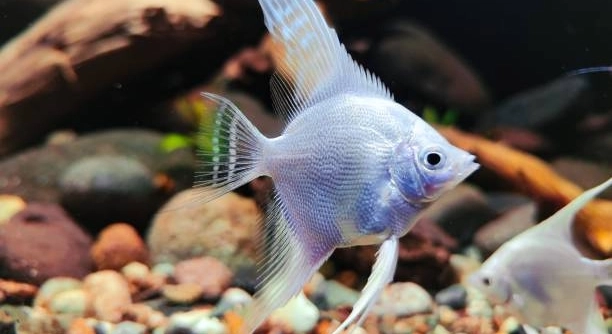
Do you ever find yourself staring at your angelfish tank, wishing there was just a bit more going on to catch your eye?
The best way to make your angelfish tank more fun to watch is by creating a dynamic environment using plants, lighting, decorations, and interactive feeding techniques. These changes stimulate natural behaviors and enhance visual interest.
Adding variety to your tank setup can bring out new sides of your angelfish and make watching them more engaging every day.
Add More Live Plants
Live plants make your tank look natural and give your angelfish more places to explore and hide. Plants like Amazon swords, java fern, and anubias are great for angelfish tanks because they are easy to care for and grow well underwater. These plants also help keep the water clean by absorbing excess nutrients. When there are more plants, fish feel safer, which makes them act more naturally. You’ll likely see your angelfish gliding through leaves, resting in shaded spots, or chasing each other around stems. Adding plants can also help reduce stress in fish, leading to better health. Make sure to space the plants out so your angelfish have room to swim freely. Use a mix of tall background plants and shorter foreground ones for balance.
Live plants do more than improve the look of the tank. They help create a healthy and peaceful environment your fish can enjoy.
Over time, the plants will grow and change, making the tank look different every few weeks. This small detail keeps things interesting for both you and the fish. You’ll find yourself spending more time watching your angelfish interact with their surroundings. Live plants turn your tank into something more lively and relaxing to observe.
Use a Variety of Decorations
Decorations add texture and color while also giving fish places to hide. Driftwood, caves, and rocks are popular choices.
Choose decorations that are smooth and safe, with no sharp edges. Angelfish like to explore, and if the decorations have small holes or tunnels, they might swim through or rest inside. Spread items throughout the tank instead of piling them in one area. This encourages movement across different zones. You can also use decorations to divide the tank slightly, which helps reduce territorial behavior. Use natural-looking items if you prefer a calm, balanced appearance, or try colorful decorations to make things pop. Decorations don’t need to be expensive or fancy—just well-placed.
Decorations are an easy way to change the feel of your tank without much effort. You can rotate items every few months to refresh the look. This change catches your eye and encourages your angelfish to re-explore their space. When fish are more active, it makes watching them more enjoyable.
Add Floating Plants
Floating plants give angelfish shade and make the top of your tank look more natural. They also help reduce light intensity, which some fish prefer. Popular options include frogbit, water lettuce, and salvinia.
These plants float freely on the water’s surface and spread over time. Angelfish enjoy swimming under the cover they create. The shaded areas make them feel more secure, which helps reduce stress. Floating plants can also help lower algae growth by blocking excess light. Be sure to leave open areas for feeding and gas exchange. Trimming the plants regularly keeps things under control. Try different types to see which ones grow best in your tank. Some have long hanging roots, which look nice and add interest to the tank.
Adding floating plants is simple and doesn’t require special tools. Just place them on the surface and watch them grow. You might notice your angelfish exploring more often, especially near the roots. Watching them glide through the filtered light adds a calming effect to the tank. Floating plants also give the tank a fuller look without cluttering the bottom. Over time, they help your tank feel more peaceful and balanced.
Rearrange the Tank Occasionally
Moving things around from time to time gives your tank a fresh look and keeps your angelfish active. It encourages them to explore again, as if the tank is new.
Start by shifting decorations, plants, and hiding spots to different areas. You don’t need to do a full change—small adjustments are enough. This breaks up patterns and routines your angelfish may have developed. They’ll often check out each spot to see what’s changed, which adds to their daily activity. Be gentle during the process to avoid stressing the fish. Rearranging also helps if any fish are getting too territorial. It resets boundaries and spreads activity across the tank.
Changing the layout can also help you see your tank in a new way. You might notice better flow, cleaner lines, or areas you want to improve. Over time, it becomes a simple way to keep the tank feeling new without having to buy more items. Angelfish tend to respond well to even small layout changes. When things feel fresh, you may find yourself stopping more often to watch them explore.
Try a Background
Adding a background to your tank hides wires and equipment, making everything look cleaner. It also helps the colors of your angelfish stand out more. Choose between solid colors, nature scenes, or 3D backgrounds depending on your style.
A dark background works especially well if you want a calm and focused look. It makes plants and fish appear brighter and clearer. For a more lively feel, you can go with a background that shows rocks or plants.
Change Up the Lighting
Changing the lighting can completely shift how your tank feels. Soft, dim lighting creates a peaceful scene, while brighter light brings out more color and activity. You can also try lights that mimic daylight or sunset. Some LED setups have effects like fading or slow color shifts. These subtle changes keep the tank interesting without bothering the fish. Just make sure your lighting settings still support plant growth if you’re using live plants. Watching your angelfish move through different shades of light can make your tank feel more alive and relaxing to watch.
Introduce a Feeding Ring
A feeding ring keeps food in one spot, making feeding time easier to watch. It also helps reduce waste by keeping flakes from spreading everywhere.
FAQ
How can I make my angelfish more active?
To encourage activity, you can provide more hiding spots, plants, and decorations for your angelfish to explore. Adding gentle water movement or a bubble wall can also create more interest. Make sure the tank has enough space and that it is clean. Angelfish are naturally curious, and the more they have to interact with in their environment, the more likely they are to stay active. You can also vary the time and type of food you offer.
What should I feed angelfish to keep them healthy?
Angelfish enjoy a mix of high-quality flakes, pellets, and occasional live or frozen foods like bloodworms or brine shrimp. A varied diet ensures they get all the necessary nutrients. Be sure not to overfeed, as leftover food can cause water quality problems. Offering different foods once or twice a week will keep them healthy and active.
Are angelfish easy to care for?
Angelfish are relatively easy to care for, but they do require some attention. They prefer a tank with clean, well-filtered water and a consistent temperature around 78-84°F (25-29°C). Regular water changes and monitoring water quality are essential. They can be a bit sensitive to poor water conditions, so maintaining a stable environment is key to their well-being.
Can angelfish live with other fish?
Yes, angelfish can live with other peaceful fish, but they should be housed with species that aren’t too small or aggressive. Avoid keeping them with fin-nippers or overly territorial fish. Good tank mates for angelfish include tetras, gouramis, and larger species that can handle the same water conditions. Always make sure the fish are compatible in terms of behavior and size.
How often should I clean my angelfish tank?
You should clean your angelfish tank about once a week. Perform partial water changes, removing around 25-30% of the water. This helps maintain good water quality. Additionally, clean the filter and check for any excess debris in the substrate. Regular maintenance ensures a healthy environment for both your fish and plants.
Do angelfish need a filter?
Yes, angelfish need a filter to maintain water quality. Filters help remove waste, excess food, and other pollutants. However, be mindful of the current; angelfish prefer calm water, so choose a filter that doesn’t create too much movement. A gentle filter will keep the water clean without disturbing the fish.
What is the ideal tank size for angelfish?
A 20-gallon tank is the minimum size for a pair of angelfish. If you plan to keep more than two, or if you have other fish, you should opt for a larger tank, around 30-55 gallons. Angelfish need plenty of swimming space, and a larger tank helps keep water quality stable.
How can I tell if my angelfish is stressed?
Stressed angelfish may exhibit signs like erratic swimming, hiding more than usual, or staying at the surface. They may also show faded colors or develop abnormal behavior like fin clamping. If you notice these signs, check the water quality, ensure the tank isn’t overcrowded, and make sure they have enough hiding spots.
Can I breed angelfish in a home tank?
Yes, angelfish can be bred in a home aquarium. You’ll need a breeding pair and a separate breeding tank. Angelfish lay their eggs on flat surfaces like rocks or leaves. The parents will guard the eggs until they hatch. Keep the tank well-maintained, with stable water conditions and appropriate food for the fry once they hatch.
How can I prevent aggression among angelfish?
Angelfish can become territorial, especially during breeding. To minimize aggression, provide plenty of hiding spots and keep the tank large enough for each fish to claim their own space. Avoid keeping more than one male angelfish in a smaller tank, as they can compete for territory. Rearranging the tank layout can also help reduce territorial behavior.
What water conditions do angelfish need?
Angelfish prefer slightly acidic to neutral water, with a pH between 6.5 and 7.5. They also thrive in moderately soft to medium-hard water. The temperature should be kept between 78-84°F (25-29°C). Regular testing of your tank’s water is important to ensure it stays within these parameters.
Do angelfish need a heater?
Yes, angelfish are tropical fish and require a heater to maintain a consistent water temperature. They thrive in warm water, so it’s important to keep the temperature between 78-84°F (25-29°C). A reliable heater will help you avoid temperature fluctuations that can stress the fish or lead to health issues.
Can angelfish live with live plants?
Yes, angelfish can live with live plants, and they benefit from having plants in their tank. Plants provide hiding spots and reduce stress for your angelfish. They also help keep the water clean. Just make sure the plants you choose are suitable for angelfish and can thrive in the tank conditions you provide.
How do I prevent algae growth in my angelfish tank?
Algae growth can be controlled by limiting the amount of light the tank receives, avoiding overfeeding, and maintaining good water quality. You can also add algae-eating fish or invertebrates, like snails or shrimp, to help control algae. Regular water changes and filter cleaning will further reduce the buildup of algae.
What is the best tank mate for angelfish?
Good tank mates for angelfish include peaceful fish that thrive in similar water conditions. Tetras, corydoras, and gouramis are all compatible with angelfish. Avoid small fish that might be eaten or fin-nippers that could cause stress. It’s also important to make sure tank mates aren’t too aggressive or territorial.
Why is my angelfish not eating?
If your angelfish isn’t eating, check the water quality first. Poor water conditions can cause stress, which may affect their appetite. Ensure the food you’re offering is appropriate and fresh. You can also try offering different types of food to see if they prefer something else. If the issue persists, check for signs of illness.
Final Thoughts
Creating a fun and dynamic angelfish tank doesn’t have to be complicated. With a few simple changes, you can greatly improve the environment and the way your fish behave. Adding live plants, decorations, and background features gives the tank a more natural look, while also providing your angelfish with places to hide and explore. These small changes can keep your fish healthy and active, which is not only good for their well-being but makes watching them a more enjoyable experience for you.
Another easy but effective way to enhance your tank is by adjusting the lighting. Lighting can completely change the feel of your aquarium. Bright lights bring out the colors in your fish, while softer lighting creates a more peaceful, calming atmosphere. You can also experiment with different lighting effects, such as changing the color or intensity, to see what works best for your tank. Paired with well-placed decorations and plants, the right lighting can make your tank look more lively and engaging.
Finally, don’t forget about the importance of maintenance. Keeping your water clean, performing regular water changes, and ensuring your angelfish have enough space to swim will help maintain a healthy environment. If you pay attention to the little details, like rearranging decorations or offering varied foods, it will keep the tank exciting and keep your angelfish happy. With just a few adjustments, you’ll create an aquarium that is not only a beautiful addition to your home but also a lively and engaging space to watch your fish thrive.

Hello,
If you enjoy the content that we create, please consider saying a "Thank You!" by leaving a tip.
Every little bit helps us continue crafting quality advice that supports the health, happiness, and well-being of pets around the world, for pets of all shapes, sizes, and species.
We really appreciate the kindness and support that you show us!