
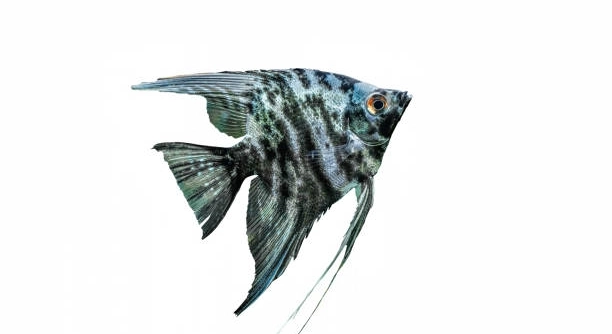
Adjusting to a new tank can be a stressful experience for angelfish. Ensuring they feel comfortable and settle in quickly is crucial for their health. Several factors play a role in making this transition easier for them.
To help angelfish adjust to a new tank, gradually acclimate them to their new environment. Maintain consistent water temperature and quality, avoid sudden changes, and offer a peaceful, stress-free tank setup. Proper care will ease their transition.
Helping angelfish adapt to their new home requires careful attention to detail.
Gradually Acclimate Angelfish to Their New Environment
The best way to help your angelfish adjust to a new tank is by acclimating them slowly. When transferring them from their old tank, ensure they are placed in a container with water from the new tank. This helps them adjust to the water temperature, pH, and other conditions. Gradual exposure reduces the shock they may experience from sudden changes. The transition should take about 30 to 45 minutes, allowing your fish to get used to the new environment without overwhelming them. This slow process minimizes the stress they endure, improving their chances of thriving in their new home.
Acclimating your angelfish gradually makes a significant difference in their comfort levels.
During the acclimation period, do not rush the process. Add small amounts of water from the new tank to the container every 10 minutes. This slow transition allows the angelfish to adjust to temperature, salinity, and pH changes. After about 30 minutes, gently introduce your fish into the new tank. Avoid putting them in immediately after arrival, as they need time to adjust properly to their new home.
Maintain Stable Water Conditions
Consistent water quality is essential for your angelfish’s health and comfort. Fluctuating temperatures, pH, or ammonia levels can cause stress. Regularly check and maintain water parameters, keeping the temperature around 76-82°F and the pH between 6.8 and 7.8. Ensure your filtration system works efficiently to eliminate harmful substances, especially ammonia and nitrates, which can affect the fish’s health. If possible, perform water changes every week to keep the environment stable.
Clean, balanced water conditions promote a peaceful environment for your angelfish.
A stable water environment prevents stress, which can hinder their adjustment to the new tank. Monitor the water closely for the first few weeks to ensure it stays within the right range. Sudden shifts in temperature or pH can lead to health issues or make your fish feel unsafe. Also, make sure the tank has a proper filtration system to remove waste and maintain cleanliness. Providing these ideal conditions gives your angelfish the best chance for a smooth transition and ongoing health.
Provide Hiding Spots and Comfortable Spaces
Angelfish need quiet, secure spaces where they can retreat when they feel stressed. Providing hiding spots, such as plants, rocks, or aquarium decorations, helps them feel safe in their new environment. These areas allow them to adjust without being constantly exposed to potential threats, especially in the early days.
Hiding spots also encourage natural behavior. Angelfish are shy and may become stressed if they feel exposed. By placing objects like driftwood or rocks in the tank, you give them areas to explore, feel secure, and establish their territory. This helps them acclimate to the new tank and reduce anxiety.
In addition to hiding spots, ensure the tank has plenty of open swimming space. This balance of secure areas and open water will make your angelfish feel more comfortable. Providing options for both retreat and movement will help them settle in and reduce stress levels.
Keep Tank Lighting Low
Bright lighting can stress out angelfish, especially when they are adjusting to a new tank. Keep the lighting dim or use a light with adjustable settings, giving them a more peaceful environment. When introducing them to a new tank, it’s best to lower the intensity of the light for the first few days. This will help them adjust without feeling overwhelmed.
Reducing the light also helps minimize stress for other fish in the tank. Angelfish are naturally active at dawn and dusk and prefer lower light conditions. Strong, continuous light may cause them to hide or become more anxious. Gradually increase the light intensity over time to allow your angelfish to adapt without any undue pressure.
Additionally, consider using a timer for the lights to mimic natural day-night cycles. This will help establish a routine for your angelfish, making them feel more secure. A well-adjusted lighting schedule encourages better health and behavior.
Monitor Feeding and Avoid Overfeeding
Feeding your angelfish the right amount of food is important to help them settle into their new tank. Overfeeding can cause water quality issues, leading to stress. Offer small amounts of food twice a day and remove any uneaten food after a few minutes.
Too much food not only wastes nutrients but also leads to excess waste in the tank. This can create an unhealthy environment, affecting the fish’s adjustment. Stick to the recommended feeding amounts for your angelfish’s size and age, and always observe them to ensure they’re eating properly.
Keep the Tank Free from Aggression
Angelfish are generally peaceful but may become territorial in a crowded tank. Ensure your new angelfish are introduced to a peaceful environment, without overly aggressive tankmates. Keep a careful eye on their interactions, especially with species that may compete for space.
Stress caused by tankmate aggression can delay your angelfish’s adjustment. Providing plenty of space and maintaining an even number of tankmates helps to reduce aggression. By selecting compatible species, you ensure that your angelfish have a calm and welcoming environment to thrive.
Be Patient with Their Adjustment
Angelfish, like many fish, need time to adjust to a new environment. Don’t rush the process. Allow them to acclimate at their own pace. This can take anywhere from a few days to a couple of weeks, depending on the individual fish.
FAQ
How long does it take for angelfish to adjust to a new tank?
The adjustment period for angelfish typically takes between a few days to two weeks. This depends on factors like the tank environment, water conditions, and the individual fish. During this time, it’s important to monitor their behavior closely, ensuring they are eating and swimming normally. Stress can slow down the adjustment, so giving them a peaceful and consistent environment will help them settle in faster.
What are the signs that my angelfish are stressed in a new tank?
Signs of stress in angelfish can include rapid breathing, hiding more than usual, refusal to eat, and darkening of their colors. They may also appear lethargic or aggressive toward other tankmates. If you notice these behaviors, check the water quality and ensure the tank setup is comfortable. Stress can also be caused by sudden changes in water temperature or the presence of aggressive tankmates.
Can I add other fish to the tank while my angelfish are adjusting?
It’s best to wait until your angelfish have fully adjusted before adding other fish. Adding new fish too soon can cause stress or territorial disputes, delaying the adjustment process. Once they appear settled and comfortable in their new tank, slowly introduce compatible species. Monitor the tank for any signs of aggression or stress.
How often should I change the water in the tank after introducing angelfish?
Water changes should be done weekly, especially in the first few weeks after introducing your angelfish. Regular water changes ensure a stable environment by removing waste and maintaining proper levels of ammonia, nitrates, and pH. Be sure to perform a partial water change (around 25-30%) to avoid stressing the fish with large fluctuations in water conditions.
Should I use a quarantine tank before placing angelfish in the main tank?
Using a quarantine tank is highly recommended, especially if you are introducing new angelfish. This allows you to observe the fish for any signs of disease or parasites before placing them in the main tank. Quarantining helps protect the health of both your angelfish and the existing tankmates. The quarantine period usually lasts about two weeks.
What temperature should the water be for angelfish?
Angelfish prefer a water temperature between 76°F and 82°F. Keeping the water within this range ensures they remain comfortable and stress-free. Fluctuations outside of this range can cause health problems or stress, slowing their adjustment to the new tank. Use a reliable heater and thermometer to maintain a stable temperature.
Can I use a filter when introducing angelfish to a new tank?
Yes, a filter is essential for maintaining water quality and providing a clean environment for your angelfish. However, ensure the filter’s current is not too strong, as angelfish prefer calm water. Choose a filter that offers gentle filtration to avoid stressing them. Regular maintenance of the filter is also crucial to keep the tank clean.
How do I prevent my angelfish from being aggressive toward each other?
Angelfish can become territorial, especially in smaller tanks or when overcrowded. To prevent aggression, ensure there is enough space for each fish to establish its own territory. A tank of at least 30 gallons is ideal for a small group of angelfish. Avoid introducing too many fish at once, and be mindful of the tankmates you choose.
What types of fish are compatible with angelfish?
Angelfish are generally peaceful but can be territorial. Good tankmates include peaceful species such as tetras, corydoras catfish, and plecos. Avoid aggressive or fin-nipping species like bettas, barbs, and large cichlids, as they can stress or harm your angelfish. When selecting tankmates, consider the size and temperament of each species.
Why is my angelfish not eating in its new tank?
A lack of appetite in a new tank can be due to stress. Changes in water conditions, new surroundings, or aggressive tankmates can make angelfish reluctant to eat. Ensure the water quality is optimal, and give your fish time to adjust. If they continue to refuse food for several days, check for signs of illness or consult an aquarium specialist.
Final Thoughts
Adjusting to a new tank can be a challenging experience for angelfish, but with the right approach, they can settle in and thrive. Creating a calm, secure environment is essential for helping your angelfish adapt to their new home. By focusing on water quality, proper lighting, and providing hiding spots, you can ensure your angelfish feel comfortable and stress-free. Patience plays a crucial role in the adjustment process. It’s important to avoid rushing the acclimation period and let your fish adjust at their own pace.
When setting up a tank for angelfish, ensure that you’re considering the size of the tank and the compatibility of tankmates. A larger tank allows your angelfish more space to swim and explore, which reduces stress. Also, avoid introducing aggressive fish that could cause further stress during this vulnerable time. By introducing compatible species and monitoring your angelfish’s behavior, you will help them feel secure. Gradually adjusting their environment and avoiding sudden changes will also make the transition smoother.
Lastly, keeping a consistent feeding routine and monitoring their behavior for signs of stress is important for their long-term well-being. The right tank conditions, combined with proper care and attention, will help your angelfish adjust and thrive in their new home. Maintaining a stable environment and providing a stress-free space are key to fostering a healthy, happy angelfish. Over time, your angelfish will grow comfortable in their new tank, allowing you to enjoy watching them swim peacefully.

Hello,
If you enjoy the content that we create, please consider saying a "Thank You!" by leaving a tip.
Every little bit helps us continue crafting quality advice that supports the health, happiness, and well-being of pets around the world, for pets of all shapes, sizes, and species.
We really appreciate the kindness and support that you show us!