
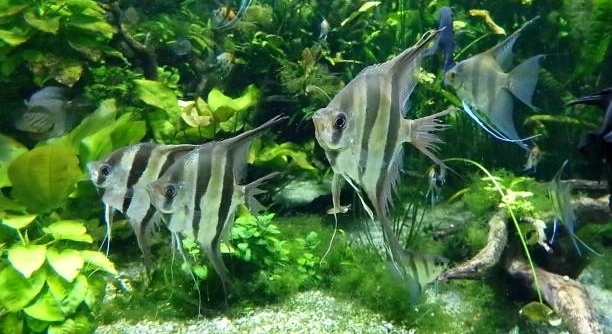
Filtration plays a crucial role in maintaining water quality, especially for sensitive fish like angelfish. Proper filtration ensures a healthy environment and reduces stress, allowing your fish to thrive. It is important to approach filtration methods with care to avoid overwhelming your angelfish.
The key to improving filtration without stressing your angelfish lies in selecting the right equipment and adjusting the water flow to suit their needs. A gentle yet effective filter can keep the water clean while maintaining a peaceful environment for your fish.
Small adjustments can make a big difference. With the right balance, you can enhance filtration and keep your angelfish comfortable and healthy.
Selecting the Right Filter for Your Angelfish
When choosing a filter for your tank, it’s important to understand that angelfish prefer gentle water movement. Powerful filters may create strong currents that could stress your fish, so finding the right balance is key. A good option is a sponge filter or a gentle power filter, which provides adequate filtration without disturbing the water too much. Make sure the filter is rated for the size of your aquarium, ensuring proper filtration and water circulation.
While the filter’s power is important, you also need to consider the media it uses. Some filters use a combination of mechanical, biological, and chemical media, which helps maintain water quality. Biological filtration is especially beneficial for keeping your tank’s ecosystem stable. The filter should be efficient yet not create too much turbulence for your angelfish.
Proper maintenance of your filter ensures long-term effectiveness. Cleaning it regularly will prevent clogging and ensure it’s running efficiently. Keep an eye on the water flow to ensure it remains gentle enough for your angelfish while still providing optimal filtration.
Adjusting Water Flow for Comfort
Flow adjustments can help maintain a calm environment for your angelfish.
To reduce stress, it’s important to control the water flow. Angelfish are more comfortable in tanks with minimal water movement. You can achieve this by adjusting the filter’s output or positioning it in a way that minimizes current.
By placing decorations, plants, or rocks strategically, you can create areas of slower water movement. This allows your angelfish to swim freely without the added stress of excessive current. Proper flow adjustments ensure that your fish feel secure in their environment, contributing to their overall health and well-being.
Choosing the Right Filtration System
For angelfish, a filter that provides biological and mechanical filtration works best. You want to avoid overly strong filters, as these can cause unnecessary stress. Sponge filters are great options, as they create gentle water movement while still providing effective filtration.
Mechanical filtration removes debris and particles, keeping the water clear, while biological filtration helps break down harmful substances, like ammonia and nitrites. Choose a filter designed for the tank’s size to ensure proper water flow. A good balance between flow rate and filtration efficiency will help your angelfish thrive.
The filter should not create harsh currents, as angelfish prefer calm waters. You can always adjust the filter’s position or reduce the output to suit their needs. Monitoring the water quality regularly will ensure that your filtration system is doing its job. Consistent maintenance, such as cleaning and changing filter media, keeps the water clean and healthy for your fish.
Regular Maintenance for Optimal Filtration
Maintaining your filtration system is essential for the health of your tank.
Regularly cleaning the filter prevents it from becoming clogged, which can reduce its effectiveness. This includes cleaning the filter media, as well as the pump and tubing. Be cautious not to over-clean, as some beneficial bacteria will also be removed in the process.
Routine water changes are equally important. Even with a good filtration system, replacing a portion of the water ensures that toxins do not build up. Removing excess waste and debris keeps your tank environment healthy. Additionally, cleaning the tank and decorations helps maintain proper water quality. With regular maintenance, your filtration system will perform well, and your angelfish will stay healthy.
Positioning the Filter Correctly
The placement of your filter affects water flow and circulation. Ensure that the filter is positioned in a way that avoids creating strong currents, especially near angelfish territories. Avoid placing it in a corner where water may not circulate evenly.
Adjusting the filter’s angle or using baffles can help direct the water flow to areas that need it without creating turbulence. The key is to maintain a gentle, consistent water movement throughout the tank, providing a stable environment for your angelfish.
Avoiding Overcrowding the Tank
Overcrowding can lead to poor water quality, putting additional strain on your filtration system.
A crowded tank often leads to excess waste, making it harder for the filter to keep the water clean. Angelfish need space to swim, and overcrowding increases stress levels. For their well-being, aim to provide enough space for each fish. Proper tank size and stocking levels ensure that filtration systems work efficiently without overwhelming them.
Using Live Plants for Better Filtration
Live plants naturally help filter the water by absorbing excess nutrients and providing oxygen.
Adding plants to your tank offers multiple benefits, including improving water quality and reducing the load on your filtration system. Plants like Anubias and Java Fern are easy to care for and thrive in a tank with angelfish. They not only contribute to better water conditions but also create a more natural and peaceful environment. Plants also provide hiding spots for angelfish, which can reduce stress. Integrating live plants into your aquarium helps maintain a healthy and balanced ecosystem.
FAQ
What type of filter is best for angelfish?
Sponge filters are often the best choice for angelfish. They provide gentle water movement while offering biological filtration. For larger tanks, a power filter with adjustable flow may also be suitable, as long as the current remains calm. It’s essential to choose a filter that matches the tank size to avoid overstressing the fish.
Can too much filtration stress my angelfish?
Yes, excessive filtration or strong water flow can stress angelfish. These fish prefer calm waters and can struggle in tanks with strong currents. If you notice your angelfish avoiding certain areas of the tank, it might be because the filter is creating too much movement. Consider adjusting the filter or adding baffles to reduce the water flow.
How often should I clean my filter?
You should clean your filter every 4 to 6 weeks. Over-cleaning can remove beneficial bacteria and disrupt the biological filtration process. When cleaning, rinse the filter media in tank water (not tap water) to preserve these essential bacteria. Regular maintenance helps ensure the filter continues working effectively without harming the tank’s ecosystem.
Can I use a UV sterilizer with my filter?
Yes, a UV sterilizer can be an excellent addition to your filtration system. It helps eliminate harmful microorganisms, such as bacteria and parasites, in the water. However, it should be used alongside proper mechanical and biological filtration. UV sterilizers can improve water clarity but do not replace the need for regular tank maintenance.
What should I do if my filter is too strong for my angelfish?
If your filter is too strong, consider adjusting the flow rate or redirecting the current. You can use a sponge pre-filter or position the filter in a way that minimizes turbulence. Adding decorations or plants can also help reduce the current in certain areas, creating calmer spots for your angelfish.
How do I know if my filter is working properly?
Signs that your filter is working properly include clear water, low levels of ammonia, nitrites, and nitrates, and no noticeable debris floating in the tank. Regularly check the water parameters with test kits to ensure the filter is maintaining a healthy environment. If the water appears cloudy or dirty, it may indicate a problem with the filter.
Is it necessary to have a filter for an angelfish tank?
Yes, a filter is necessary for maintaining water quality in an angelfish tank. Even though angelfish are hardy, poor water quality can lead to health problems. A filter helps remove waste and toxins while providing proper water circulation, both crucial for a healthy aquarium environment.
Can live plants help with filtration in an angelfish tank?
Live plants can naturally help with filtration by absorbing excess nutrients and improving water quality. Plants like Java Fern and Anubias are easy to grow and can help reduce the load on your filter. They also provide hiding spots for your angelfish, which can help reduce stress and create a more natural habitat.
How can I reduce stress in my angelfish while using a filter?
To reduce stress, make sure the water flow from your filter is gentle. Avoid using filters with strong currents and ensure that the filter’s output is adjusted to suit the needs of your angelfish. Adding live plants or decorations can help buffer the current, creating calm spots where your fish can retreat.
How do I adjust the flow rate of my filter?
Most filters have an adjustable flow rate. You can either reduce the pump’s power or use flow-control valves to regulate the water flow. If your filter doesn’t have this option, try placing it in a location where the water flow is naturally dispersed, such as near a wall or corner of the tank. Adding filter socks or foam can also help reduce flow intensity.
How often should I change the water in an angelfish tank?
Perform a partial water change of about 20-25% every two weeks. This helps maintain water quality and removes waste products that the filter may not capture. More frequent water changes may be necessary if you have more fish or if your tank has high waste levels. Regular water changes are vital for keeping angelfish healthy.
Is a canister filter suitable for an angelfish tank?
A canister filter can be suitable for an angelfish tank, especially if the tank is large. However, you must adjust the flow rate to avoid creating strong currents. Canister filters offer powerful filtration and can handle larger bio-loads, making them ideal for bigger tanks. Always monitor the water movement to ensure it’s not too intense.
Should I use carbon in my filter?
Carbon can be used in your filter to help remove impurities, odors, and discoloration from the water. It’s particularly useful for maintaining clear water. However, it’s not essential for biological filtration and should be replaced regularly. Over time, carbon can lose its effectiveness, so it should be replaced every month or so.
What’s the ideal tank size for angelfish with a filter?
For a single angelfish, a minimum tank size of 20 gallons is recommended. Larger tanks are better, as they provide more space for the fish to swim and reduce the risk of overcrowding. Larger tanks also offer more room for a filtration system to operate effectively without overburdening it.
Final Thoughts
Maintaining a healthy filtration system is essential for the well-being of your angelfish. The right filter ensures that the water stays clean, clear, and free from harmful toxins. A balanced filtration system helps remove waste, excess nutrients, and harmful chemicals like ammonia and nitrites. It also promotes healthy water circulation, which benefits your fish. A healthy tank environment is crucial for angelfish to thrive, and investing in proper filtration is one of the most effective ways to ensure their long-term health. By monitoring water parameters regularly and adjusting your filter as needed, you can create a stable and safe environment for your fish.
When choosing a filter, it’s important to consider the size of your tank and the needs of your angelfish. Filters with adjustable flow rates are ideal for angelfish because they can be customized to avoid excessive current, which can stress the fish. Sponge filters are a good choice for smaller tanks, while larger tanks might benefit from power or canister filters with adjustable settings. Ensuring that your filter doesn’t create strong water movement will help angelfish feel more comfortable and secure in their habitat. Regular maintenance, including cleaning and replacing filter media, is key to keeping the filtration system running smoothly.
Remember, proper filtration goes hand in hand with good tank management. Overcrowding, improper maintenance, and neglecting water quality can undermine the effectiveness of even the best filtration system. Combine the right filter with regular water changes, careful stocking, and the addition of live plants to create a healthy, stable environment. By paying attention to the details and adjusting your filtration setup to meet your angelfish’s needs, you can ensure that your tank remains a clean, stress-free space for your fish to thrive in.

Hello,
If you enjoy the content that we create, please consider saying a "Thank You!" by leaving a tip.
Every little bit helps us continue crafting quality advice that supports the health, happiness, and well-being of pets around the world, for pets of all shapes, sizes, and species.
We really appreciate the kindness and support that you show us!