
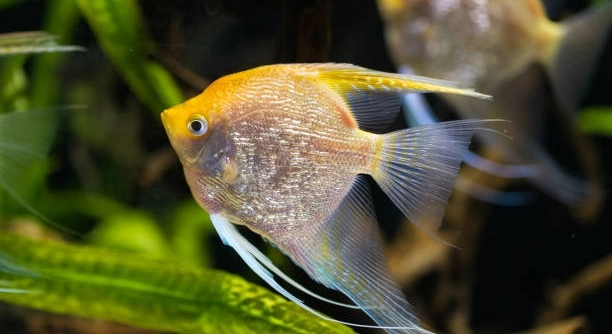
Angelfish are beautiful and fascinating creatures, but sometimes their behavior can leave you scratching your head. If you’ve noticed your angelfish facing the glass, it might seem strange or concerning.
Angelfish facing the glass may be due to a variety of factors including curiosity, reflection, stress, or environmental factors like water quality or tank setup. Understanding these causes can help you address your angelfish’s behavior effectively.
There are several possible explanations behind this behavior, and by considering each one, you can create a better environment for your fish. Keep reading to learn more about what might be causing your angelfish to act this way.
1. Curiosity and Exploration
Angelfish are naturally curious, and they often interact with their surroundings in unique ways. When an angelfish faces the glass, it could be simply observing its reflection or trying to explore the area outside the tank. This is especially common if the tank is placed near windows or other sources of light. Fish are attracted to light because it may appear as a potential food source or just something intriguing. The movement of light, shadows, and reflections can hold their attention, causing them to swim close to the glass.
Fish, especially angelfish, are sensitive to changes in their environment. They may react to something unfamiliar, such as new objects or changes in the tank setup. They may not understand what they are looking at, but it doesn’t harm them. This behavior is just part of their instinct to investigate their surroundings.
Curiosity is a healthy trait for angelfish, as it keeps them active and engaged. However, too much time spent staring at reflections could cause stress if it becomes a repetitive behavior.
2. Stress and Anxiety
Stress can make your angelfish act differently.
When angelfish face the glass for extended periods, it may signal stress. This could be caused by water quality, overcrowding, or aggressive tank mates. When the environment is unstable, fish look for comfort, and facing the glass may become their coping mechanism.
A stressful tank environment can lead to poor health in angelfish, affecting both their behavior and their physical condition. High ammonia or nitrite levels, poor water circulation, and inadequate filtration can trigger anxiety in fish. Poor water conditions make fish feel trapped, and facing the glass may seem like a way to escape. Similarly, if there are too many fish in the tank, or if they feel threatened by aggressive tank mates, they may display unusual behaviors, such as staring at the glass. A simple water test can reveal underlying problems like high nitrate levels or an imbalanced pH, which could be causing the stress.
Making sure your angelfish live in a well-maintained tank with appropriate space and good water quality will keep them healthy and happy.
3. Reflection and Visual Disorientation
Angelfish can become fixated on their reflection in the glass.
Fish are highly sensitive to visual stimuli, and the reflection in the glass may appear as another fish. This could lead them to stare at the glass, either out of curiosity or territorial instinct. The behavior is natural but can become a repetitive habit.
When angelfish see their reflection, they might mistake it for another angelfish or even a rival. This can make them act aggressively or display territorial behavior. It’s a common issue, especially in tanks with minimal decorations. Without places to hide, the fish may focus more on their own reflection. Over time, this could cause stress and even impact their health if the behavior continues too long. To avoid this, consider placing decorations or plants near the glass to disrupt the reflection and give the fish more visual distractions.
4. Tank Placement and External Factors
The placement of your aquarium could also influence this behavior.
Angelfish often face the glass because of factors like sunlight or other external elements. If your tank is near a window, the changing light throughout the day may draw the fish’s attention. Sometimes, even the movement outside the tank, such as people walking by, can cause the fish to approach the glass.
It’s important to consider where you’ve placed your tank. Angelfish, like many fish, are attracted to light. A well-lit room might cause them to swim toward the glass, especially if the light creates reflections or glare. It’s easy to overlook these external factors, but they play a significant role in the behavior of aquarium fish. You can minimize these distractions by adjusting the tank’s location. Moving the tank away from direct sunlight or areas with high foot traffic can reduce the fish’s urge to constantly face the glass. This simple change could create a more peaceful environment for your angelfish.
5. Tank Mates and Aggression
Sometimes, angelfish face the glass because of issues with tank mates.
In a community tank, angelfish may feel threatened by more aggressive species. They might choose to face the glass to avoid confrontations, especially if other fish are chasing or bullying them. The glass may feel like a safer barrier.
If you notice your angelfish facing the glass and displaying signs of stress, it could be because of a tank mate. Aggressive fish, like certain cichlids, may intimidate the angelfish, pushing them to seek refuge near the tank’s edges. Observing how your fish interact with one another can help determine if aggression is a factor. Adding more hiding spots, plants, or rearranging the tank can help reduce aggression and create a safer environment for your angelfish.
6. Poor Water Quality
Bad water quality can lead to unusual behaviors in angelfish.
Water conditions directly impact a fish’s health and behavior. If the water has high levels of ammonia, nitrites, or nitrates, angelfish may react by facing the glass as they try to find a better environment.
Poor water quality can weaken the immune system of your angelfish and cause them to feel stressed. This stress might make them swim aimlessly or face the glass. Regular water testing is essential to check for harmful chemicals, and maintaining proper filtration and water changes is vital for keeping your fish healthy. By addressing water quality issues, you help your angelfish feel more comfortable and less likely to exhibit unusual behaviors.
7. Boredom and Lack of Stimulation
Angelfish need mental stimulation to stay active and healthy.
When they’re bored, angelfish might face the glass simply because they have nothing else to do. Adding plants, decorations, or other fish can encourage them to explore and be more active.
FAQ
Why does my angelfish keep swimming in circles near the glass?
If your angelfish is swimming in circles near the glass, it might be reacting to stress, poor water quality, or a lack of space. Angelfish can become anxious if their tank is too small, crowded, or if they are experiencing water conditions that are not ideal. It’s important to test the water regularly to ensure it’s within the proper parameters, such as temperature, pH, and ammonia levels. Additionally, providing plenty of hiding spots and space to swim can help reduce stress and encourage natural behavior. Sometimes, circular swimming can also be a sign of boredom, so introducing new decorations or tank mates can stimulate their curiosity.
Should I be worried if my angelfish stares at the glass for a long time?
Staring at the glass for long periods is often harmless, but it can indicate a few issues. If your angelfish is focused on its reflection, it might think it’s seeing another angelfish. This can lead to territorial behavior or stress. It could also mean that the fish is simply curious or investigating the tank’s environment. However, if your angelfish is facing the glass due to stress or water quality problems, it’s a sign you should check the tank’s conditions. Always monitor the water parameters and ensure the tank is free from toxic substances.
Can I fix the reflection issue by changing the tank setup?
Yes, changing the tank setup can help with the reflection issue. Angelfish, like many fish, can become fixated on their own reflection in the glass, especially if there are minimal decorations or objects to block the view. By adding plants, rocks, or other structures, you can disrupt the reflection, making it less likely that your angelfish will focus on the glass. This change not only helps prevent reflection-induced stress but also provides your angelfish with hiding spots, which is important for their well-being. Even adding a background to the tank can help minimize reflections.
What should I do if my angelfish is facing the glass due to aggression from tank mates?
If aggression from tank mates is causing your angelfish to face the glass, it’s essential to address the root of the problem. First, observe the behavior of the other fish to identify if any are particularly aggressive. If certain fish are bullying your angelfish, consider removing them or adding more hiding spots and plants to give your angelfish a safe space. Sometimes, rearranging the tank layout can also help, as it breaks up territories and reduces aggression. In extreme cases, you may need to separate the aggressive fish to avoid constant stress for your angelfish.
Can bad water quality cause my angelfish to face the glass?
Yes, poor water quality can cause your angelfish to act abnormally, including facing the glass. When water conditions are off, such as high ammonia or nitrite levels, angelfish can become stressed or disoriented. They may swim aimlessly or even stick to the edges of the tank. It’s important to perform regular water changes and use a reliable filter to keep the water clean. Testing the water parameters regularly ensures that the water is safe for your fish. If your angelfish is facing the glass, it’s a good idea to check the water quality and adjust as needed.
Can I reduce my angelfish’s stress by adding more tank mates?
Adding more tank mates may reduce stress if done carefully, but it’s important to choose compatible species. Angelfish are generally peaceful but can become territorial, especially if the tank is too small or there are aggressive fish. If you add tank mates, make sure they are calm and won’t provoke your angelfish. Peaceful fish like tetras or mollies can be good companions, but avoid adding species that may challenge the angelfish. Also, ensure the tank is large enough to accommodate the new additions without overcrowding, which can increase stress levels.
Is my angelfish’s behavior caused by boredom?
Yes, boredom can lead to angelfish facing the glass or exhibiting repetitive behaviors. Angelfish are intelligent creatures that require mental stimulation to stay healthy. If there’s not enough to explore in the tank, they may fixate on the glass. Adding new decorations, live plants, or other fish can help keep your angelfish engaged. Variety in the tank environment will encourage your angelfish to explore and swim freely. Changing the tank’s layout occasionally can also provide new stimulation and prevent boredom-induced behaviors.
How often should I clean my tank to prevent stress in my angelfish?
Regular tank maintenance is crucial for preventing stress in your angelfish. You should aim to perform a partial water change at least once a week to remove waste and keep the water clean. Cleaning the tank and removing any debris can help improve water quality and reduce stress. Make sure to clean the filter and check it regularly to ensure it’s functioning properly. While cleaning, be gentle and avoid disturbing your angelfish too much, as sudden changes in their environment can cause additional stress.
Can angelfish face the glass due to too much light in the tank?
Yes, angelfish may face the glass if there’s too much light in the tank. Overexposure to bright light can make them feel exposed or disoriented. The glare and reflections can also capture their attention, causing them to fixate on the glass. To solve this, adjust the lighting or place the tank in a location where it’s not exposed to direct sunlight. You can also introduce floating plants or use a dimmer light to create a more natural light cycle, which will help reduce stress on your angelfish.
How can I tell if my angelfish is stressed or just exploring?
It can sometimes be difficult to tell if your angelfish is simply exploring or experiencing stress. However, if your fish is facing the glass due to curiosity, it will usually swim away after a while. If it’s stressed, it may remain near the glass for longer periods or exhibit signs like rapid gill movement, clamped fins, or hiding more than usual. Stressed fish may also display erratic swimming patterns or refuse to eat. Keeping an eye on your angelfish’s behavior and overall health can help you identify if stress is the cause.
Final Thoughts
Angelfish are beautiful and fascinating creatures, but their behavior can sometimes be puzzling. If your angelfish keeps facing the glass, it could be due to various reasons like curiosity, stress, or poor water quality. It’s important to observe their behavior and try to understand what might be causing this action. By carefully considering possible factors, you can help create a better environment for your fish.
Providing a well-maintained tank is crucial for the well-being of your angelfish. Regular water changes, proper filtration, and a stable tank environment are essential to keeping your fish healthy. If your angelfish seems stressed, checking the water quality and ensuring the tank is properly set up can often resolve the issue. In some cases, adjusting the tank’s layout, adding plants, or providing more hiding spots can reduce stress and help your angelfish feel more secure.
Remember, angelfish are naturally curious and will often explore their surroundings. If your fish is facing the glass due to reflection or light, adding decorations or plants can help disrupt that behavior. And if aggression from tank mates is a problem, making sure the tank has enough space or separating overly aggressive fish can make a big difference. Overall, paying attention to your angelfish’s needs and adjusting their environment will go a long way in ensuring their happiness and health.

Hello,
If you enjoy the content that we create, please consider saying a "Thank You!" by leaving a tip.
Every little bit helps us continue crafting quality advice that supports the health, happiness, and well-being of pets around the world, for pets of all shapes, sizes, and species.
We really appreciate the kindness and support that you show us!