
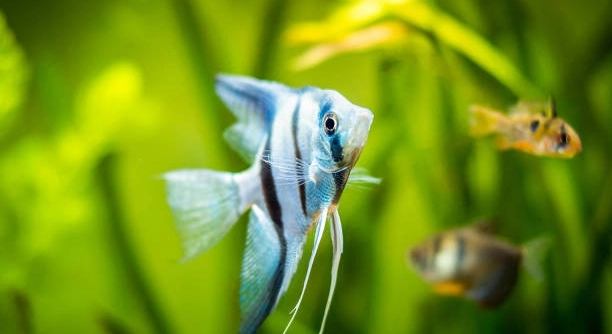
Angelfish are beautiful, but they require careful attention to maintain a balanced tank. The health and happiness of these fish depend on a stable environment. This article will walk you through essential steps to keep your tank in top shape.
To maintain a balanced angelfish tank, ensure proper filtration, regular water changes, and stable water parameters like pH, temperature, and hardness. Keeping the tank clean, introducing suitable tank mates, and managing feeding will also help maintain a healthy environment.
Proper care for your angelfish tank is crucial for their long-term well-being. Knowing the essential steps will guide you in creating a thriving habitat for these beautiful fish.
Proper Filtration is Key
One of the most important aspects of maintaining a balanced angelfish tank is proper filtration. A good filter keeps the water clean by removing waste, uneaten food, and other harmful substances. If your filter isn’t strong enough or is clogged, harmful toxins can build up, affecting the health of your fish. Regular maintenance of your filter, including cleaning it every few weeks, ensures that it works efficiently. Choose a filter that is appropriate for the size of your tank. An underpowered filter can lead to poor water quality, causing stress for your angelfish.
A well-maintained filter helps remove debris, ensuring clear, clean water. This reduces the chances of harmful bacteria building up, which can harm the angelfish. A good filter also helps maintain oxygen levels in the water, which is vital for fish health.
Without proper filtration, waste can quickly accumulate, leading to poor water quality. This creates an unstable environment, making it hard for angelfish to thrive. Over time, an unfiltered or poorly filtered tank can lead to health problems, such as fin rot or other diseases, for your fish.
Stable Water Conditions
Stable water conditions are crucial for your angelfish’s well-being. Monitoring water parameters like temperature, pH, and hardness is essential. Angelfish prefer warm water, generally between 75°F and 82°F. Temperatures outside this range can stress the fish, making them more susceptible to disease.
Changes in water pH can also be harmful to your angelfish. These fish prefer a slightly acidic to neutral pH, usually around 6.5 to 7.5. A large fluctuation in pH can affect their immune system and overall health. Using a good water testing kit is an effective way to monitor these levels and keep them stable.
When water conditions are unstable, it can affect your angelfish’s behavior. They may become lethargic, refuse food, or show signs of distress. Consistency in water quality will reduce the risk of stress and disease. Regular water changes and monitoring tools can help you maintain a stable environment for your fish.
Regular Water Changes
Regular water changes are essential to maintaining a balanced tank. They help remove harmful substances like nitrates and phosphates that can accumulate over time. Doing this once a week ensures the water stays clean and fresh, which reduces the risk of diseases.
Changing 20-25% of the tank’s water each week is a good rule of thumb. Before adding fresh water, always check its temperature and pH to avoid shocking the fish. Use a siphon to clean the substrate and remove debris. Over time, this routine helps keep your tank stable and the angelfish healthy.
Skipping water changes can result in a buildup of toxins. Without fresh water, harmful substances like ammonia and nitrates can reach toxic levels, leading to poor water quality. This increases stress in your angelfish, making them more prone to illness. Regular changes prevent this and ensure a clean, balanced environment for your fish.
Appropriate Tank Mates
When choosing tank mates for your angelfish, be mindful of their temperament. Angelfish are peaceful but can become territorial, especially during breeding. Avoid adding overly aggressive fish or small species that may be seen as food.
Ideal tank mates for angelfish include peaceful species such as tetras, guppies, or certain species of catfish. It’s important to avoid adding too many fish at once, as overcrowding can lead to stress and poor water quality. Be sure the fish you choose have similar water parameter requirements to your angelfish, like temperature and pH.
A good selection of tank mates can help create a harmonious environment. Overcrowding or poor tankmate choices may lead to aggression, stress, and health issues for your angelfish. By choosing peaceful, compatible species, you ensure that your tank remains balanced and your fish stay healthy.
Feeding in Moderation
Overfeeding is a common mistake in angelfish care. It can lead to poor water quality and health problems for your fish. Angelfish only need to be fed once or twice a day, offering an amount they can consume in a few minutes.
Excess food that isn’t eaten will break down, adding to the waste and increasing toxins in the water. This can lead to an imbalance in the tank. To avoid this, remove any leftover food after feeding. Proper feeding practices keep your fish healthy while also preventing water quality issues.
Proper Tank Size
Providing an appropriate tank size is crucial for angelfish. They need space to swim freely and establish territories. A minimum of a 20-gallon tank is recommended for a small group of angelfish.
A larger tank provides more stability in water conditions, making it easier to maintain balance. It also reduces stress on the fish, giving them room to grow and thrive. A cramped environment can lead to aggression and poor health, so always consider the size of your tank when caring for your angelfish.
Tank Maintenance Routine
A tank maintenance routine is essential for keeping your angelfish healthy. This involves checking water parameters, cleaning the filter, and removing debris from the substrate regularly.
In addition to weekly water changes, ensure the filter is cleaned every few weeks to keep it working efficiently. Also, monitor the overall health of your fish, looking for any signs of illness. A consistent maintenance routine helps prevent problems and keeps your tank environment stable and balanced.
FAQ
What is the ideal water temperature for angelfish?
Angelfish thrive in warm water, with an ideal temperature range between 75°F and 82°F (24°C and 28°C). Keeping the water within this range helps support their metabolism and immune system. Sudden temperature fluctuations can stress the fish, making them more prone to disease. To maintain stable temperatures, use a reliable aquarium heater and monitor it regularly. If the water gets too cold, it can slow down their digestive system, and if it gets too hot, it can lead to oxygen depletion and stress.
How often should I feed my angelfish?
Angelfish should be fed once or twice a day, offering only what they can eat in a few minutes. Overfeeding can lead to poor water quality and bloating. Feed your fish a balanced diet that includes a mix of high-quality flake food, frozen food, and occasional live food. It’s also essential to vary their diet to provide all the necessary nutrients. Any uneaten food should be removed promptly to prevent it from decaying and affecting water quality. By feeding in moderation, you will help maintain both the health of your fish and the balance of the tank.
Can angelfish live with other fish?
Yes, angelfish can live with other fish, but it’s essential to choose tank mates carefully. Angelfish are generally peaceful but can be territorial, especially during breeding. Avoid adding aggressive or overly small fish, as they may become stressed or even eaten. Suitable companions include peaceful species like tetras, catfish, and guppies, which can coexist with angelfish without causing stress. Be sure to research each species’ care requirements to ensure they match your angelfish’s needs, particularly when it comes to water parameters like temperature and pH. This helps maintain harmony in the tank.
How can I tell if my angelfish is stressed?
Stressed angelfish often show signs like erratic swimming, hiding in corners, or excessive fin flicking. Their colors may also become dull, and they might stop eating or exhibit abnormal behavior. Stress in angelfish can be caused by poor water quality, overcrowding, or aggressive tank mates. Ensure that the tank is clean, well-maintained, and provides enough space for your fish to swim. Additionally, keep an eye on water parameters and make sure they are stable. If the fish shows consistent signs of stress, it’s crucial to address the underlying cause to avoid further health issues.
Do angelfish require a lot of space?
Yes, angelfish require space to swim and establish territories. For a small group of angelfish, a 20-gallon tank is the minimum recommended size. A larger tank helps maintain stable water conditions and reduces stress on the fish. Angelfish are slow swimmers, but they still need room to move around comfortably. Inadequate space can lead to aggression and territorial disputes, which may harm the fish. A larger tank also provides more opportunities for a well-balanced environment, making it easier to keep the water clean and safe for your fish.
How do I prevent algae growth in my angelfish tank?
Algae growth can be a common problem in aquariums, but it can be managed with proper care. To prevent algae, make sure you don’t overfeed your angelfish, as uneaten food and excess nutrients can fuel algae growth. Regular water changes also help reduce nitrate levels, which promote algae. Additionally, keep the tank in a location that isn’t exposed to too much direct sunlight, as this can encourage algae blooms. Consider adding algae-eating fish, such as certain species of catfish or snails, to help keep algae in check. If algae is already a problem, you can manually clean it off surfaces or use an algae scraper.
What type of filter should I use for an angelfish tank?
For an angelfish tank, a reliable filter is crucial to maintain water quality. A canister filter or a hang-on-back (HOB) filter is usually ideal. The filter should be strong enough to handle the tank size but not too powerful, as angelfish do not thrive in strong currents. A filter that offers both mechanical and biological filtration will help remove waste, debris, and harmful toxins while supporting beneficial bacteria growth. It’s important to regularly clean and maintain the filter to ensure it functions efficiently, as a clogged or inefficient filter can lead to poor water quality.
How do I know if my angelfish are breeding?
When angelfish are ready to breed, they will display certain behaviors and physical changes. The males may chase the females and attempt to establish a territory, usually near a flat surface like a rock or aquarium wall. The female will often become rounder as she fills with eggs, and both fish will clean the surface where they plan to lay their eggs. During breeding, angelfish become more territorial and may become aggressive toward other fish. If you notice these signs, it’s a good idea to separate the breeding pair from other fish to avoid conflict. After the eggs are laid, both parents will guard them closely.
Can I keep angelfish in a tank with plants?
Yes, angelfish can be kept in tanks with plants. In fact, live plants help maintain water quality and provide hiding spots for your fish. Angelfish generally do well with plants, but they may nibble on soft-leaved plants. Hardy plants like Java fern, Anubias, and Amazon sword are good choices because they can withstand some nibbling without being destroyed. It’s important to avoid overplanting the tank, as too many plants can lead to poor water circulation. Make sure there’s still enough open space for the angelfish to swim and establish territories.
Final Thoughts
Taking care of angelfish involves more than just feeding them and keeping their tank clean. To maintain a balanced tank, you need to pay attention to water quality, tank size, and the fish’s behavior. Regular water changes are necessary to keep the water free of waste and harmful substances. The right filter is essential for cleaning the water and ensuring oxygen levels are stable. Additionally, keeping the right temperature and pH balance in the tank helps keep your fish healthy and stress-free.
Angelfish are generally peaceful, but they need space to swim and establish their territories. Overcrowding can lead to stress and aggression, so it’s important to provide enough room for your fish to thrive. When choosing tank mates, make sure they are compatible with angelfish and share similar water requirements. Be cautious of overly aggressive species or small fish that may be seen as food. By choosing peaceful, compatible tank mates, you can create a harmonious environment that benefits all your fish.
In addition to the basics of water quality and tank size, feeding habits and regular maintenance play a significant role in keeping your angelfish happy. Overfeeding can cause waste to build up in the tank, leading to poor water quality and health problems. Stick to a feeding schedule, offering only what the fish can eat in a few minutes. Finally, maintaining a consistent tank routine, including monitoring water conditions and cleaning filters, is vital for long-term success. By following these simple steps, you can enjoy a beautiful and healthy angelfish tank.

Hello,
If you enjoy the content that we create, please consider saying a "Thank You!" by leaving a tip.
Every little bit helps us continue crafting quality advice that supports the health, happiness, and well-being of pets around the world, for pets of all shapes, sizes, and species.
We really appreciate the kindness and support that you show us!